
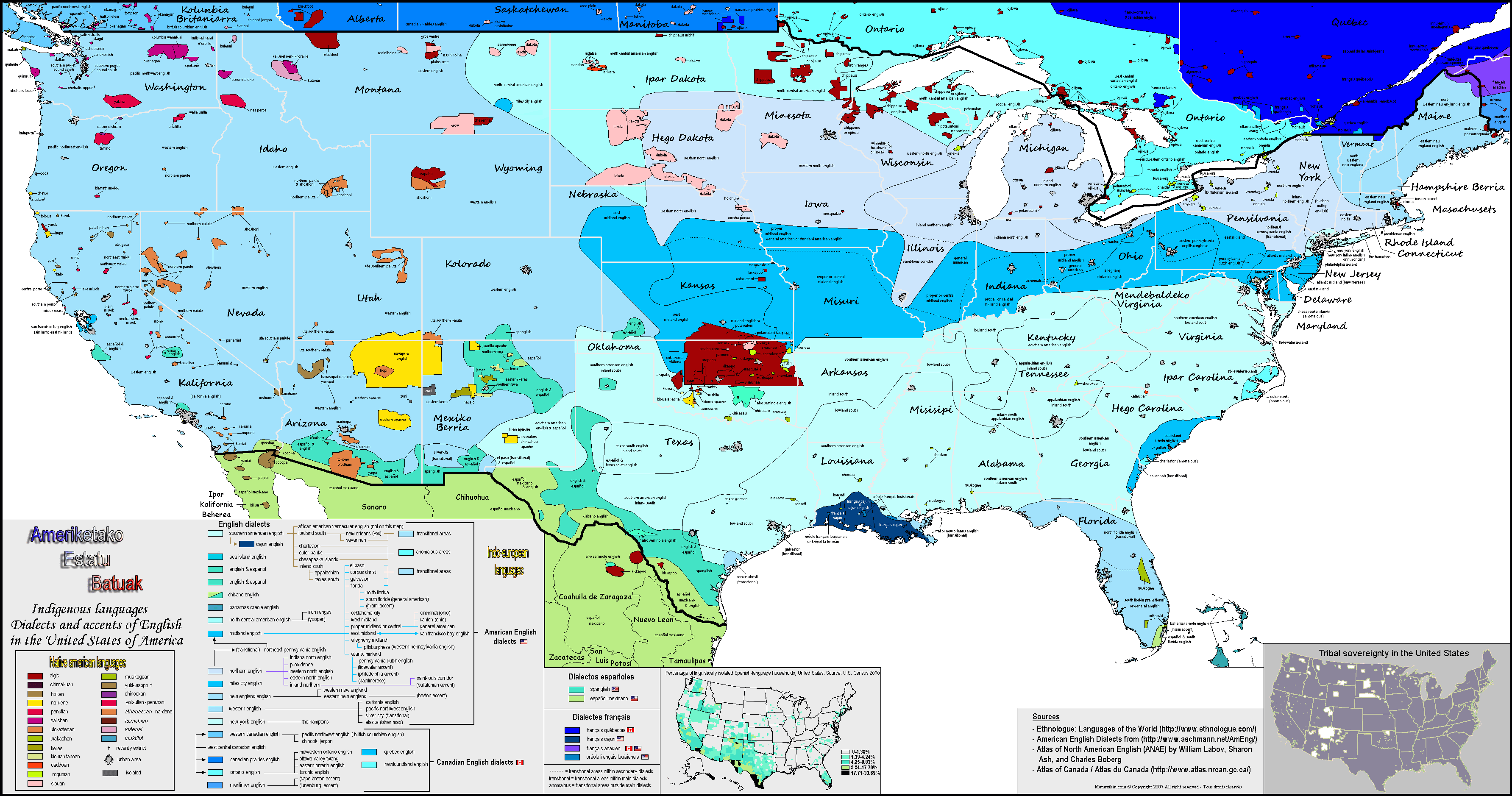


Decoding the US: An Accent Map Adventure
{"title":"Decoding the US: An Accent Map Adventure","description":"Decoding the US: An Accent Map Adventure","key_hightlights":"Decoding the US: An Accent Map Adventure","keywords":"Decoding the US: An Accent Map Adventure","content":"Decoding the US: An Accent Map Adventure
\nThe US is a melting pot, and its diverse accents are a testament to this. Let's embark on a fascinating journey through the "accent map of us," exploring the nuances of regional dialects and uncovering the stories they tell.
\nThe Allure of the Accent Map of Us: Why This Matters
\n[ALT Text: Map of the United States highlighting different accent regions. Caption: Discover the diverse "accent map of us" and its cultural significance.]
\nWhy are we so captivated by accents? They are more than just different ways of pronouncing words. Accents act as powerful signals of identity, history, and belonging. They reveal a speaker's geographical origins, socioeconomic background, and even their perceived social standing. Understanding the "accent map of us" helps us appreciate the rich tapestry of American culture and fosters greater empathy and understanding across regions.
\nNavigating the Accent Map of Us: Key Regional Variations
\nThe "accent map of us" can be broadly divided into several distinct regions, each boasting its own unique linguistic characteristics:
\n- \n
- \n
New England: Think "pahk the cah" and dropping the "r" after vowels. This distinctive accent, particularly strong in Boston, stems from early English settlers.
\n \n - \n
New York: Famous for its fast pace and distinctive vowel sounds, the New York accent (especially Brooklyn) features a flattened "a" and a sometimes-dropped "r."
\n \n - \n
The South: From the slow drawl of the Deep South to the Appalachian dialect, Southern accents are characterized by elongated vowels, diphthongization, and unique vocabulary.
\n \n - \n
The Midwest: Often considered the "neutral" American accent, Midwestern speech is generally perceived as clear and easily understood. However, subtle variations exist, such as the Northern Cities Vowel Shift around the Great Lakes.
\n \n - \n
The West: The West Coast accent is relatively young, characterized by a laid-back vibe and a growing influence on mainstream American English. California's surfer slang has contributed significantly.
\n \n
Diving Deeper: Sub-Regions and Accent Map of Us Nuances
\n[ALT Text: Close-up of a specific US region on the accent map, showcasing sub-regional variations. Caption: Explore the subtle nuances within the "accent map of us," revealing local dialect differences.]
\nWithin these broad regions, countless sub-regional accents exist. Consider these examples:
\n- \n
- \n
The Outer Banks of North Carolina ("Hoi Toider"): A unique dialect with strong ties to Elizabethan English.
\n \n - \n
Pittsburgh ("Pittsburghese"): Famous for its slang ("yinz" for "you all") and distinctive pronunciation.
\n \n - \n
The Louisiana Cajun Accent: A blend of French, English, and Native American influences.
\n \n - \n
Gullah Geechee: Spoken by African Americans along the coast of South Carolina and Georgia, retaining significant African linguistic features.
\n \n
The Impact of Media and Migration on the Accent Map of Us
\n[ALT Text: Television screen showing diverse actors with different accents. Caption: How media and migration are reshaping the "accent map of us."]
\nThe "accent map of us" is not static. Media exposure and increased migration are blurring regional lines. National television, streaming services, and online content expose people to a wider range of accents. People moving between states introduce their local dialects to new areas, contributing to the ongoing evolution of American English.
\nCelebrities and Their Accents: Spotlighting Diversity
\nWhile some actors and public figures consciously modify their accents for broader appeal, many embrace their regional roots.
\n- \n
- \n
Matthew McConaughey (Texas): Known for his relaxed drawl and Texan charm, McConaughey's accent is an integral part of his public persona.
\n- \n
- Who is Matthew McConaughey? Matthew McConaughey is an American actor and producer. Born on November 4, 1969, in Uvalde, Texas, he gained recognition for his roles in films such as "Dazed and Confused," "Dallas Buyers Club" (for which he won an Academy Award), "Interstellar," and the television series "True Detective." He is known for his versatile acting skills and his distinctive Texas drawl. \n
\n - \n
Zooey Deschanel (California): While not overtly showcasing a strong regional accent, Deschanel's speech reflects the contemporary Californian influence on American English.
\n \n - \n
John Travolta (New Jersey): His New Jersey accent is part of his signature, particularly in his earlier roles.
\n \n
These celebrities, and countless others, demonstrate how accents can enrich our entertainment and help us connect with individuals from diverse backgrounds.
\nPreserving and Celebrating the Accent Map of Us
\n[ALT Text: People from different regions of the US interacting and sharing their accents. Caption: Celebrate the diversity of the "accent map of us" and its importance to American culture.]
\nRather than viewing accents as "correct" or "incorrect," it's crucial to celebrate them as valuable expressions of cultural identity. Preserving regional dialects requires conscious effort through documentation, education, and encouraging people to embrace their unique speech patterns.
\nBy recognizing and appreciating the "accent map of us," we foster a more inclusive and understanding society.
\nAccent Map of Us: Questions and Answers
\n- \n
- \n
Q: Why do accents exist?
\n- \n
- A: Accents develop over time due to geographical isolation, migration patterns, and social influences. They reflect the unique linguistic history of a specific region or community. \n
\n - \n
Q: Is there a "correct" American accent?
\n- \n
- A: No. While the Midwestern accent is often considered "neutral," there is no inherently correct or incorrect American accent. All accents are valid expressions of linguistic diversity. \n
\n - \n
Q: How can I learn more about the "accent map of us?"
\n- \n
- A: Explore online resources like the Atlas of North American English, listen to podcasts featuring regional dialects, and engage in conversations with people from different parts of the country. \n
\n
In summary, the "accent map of us" represents a rich tapestry of American linguistic diversity. Understanding and appreciating these regional variations fosters greater cultural awareness and inclusivity. So, why do accents matter, is there a correct accent, and where can you learn more about the accent map? The answers lie in embracing the diverse voices that shape the American landscape.
\nKeywords: accent map of us, American accents, regional dialects, linguistics, pronunciation, language diversity, USA, Southern accent, New York accent, Midwestern accent, celebrity accents, cultural identity, English language.
","qa":"Decoding the US: An Accent Map Adventure","summary":"Decoding the US: An Accent Map Adventure","faqs":""}