










Unlocking the World: The 5 Continents
Unlocking the World: The 5 Continents
This week, let's embark on a journey around the globe, focusing on a fundamental geographical concept: the five continents of the world map. While the number of continents is debated, often cited as seven, we will concentrate on the simplified model that groups some into larger landmasses, allowing for a broader understanding suitable for educational purposes and general knowledge. This article will explore these five regions, their unique characteristics, and answer some common questions.
Understanding the 5 Continents of the World Map: A Global Overview
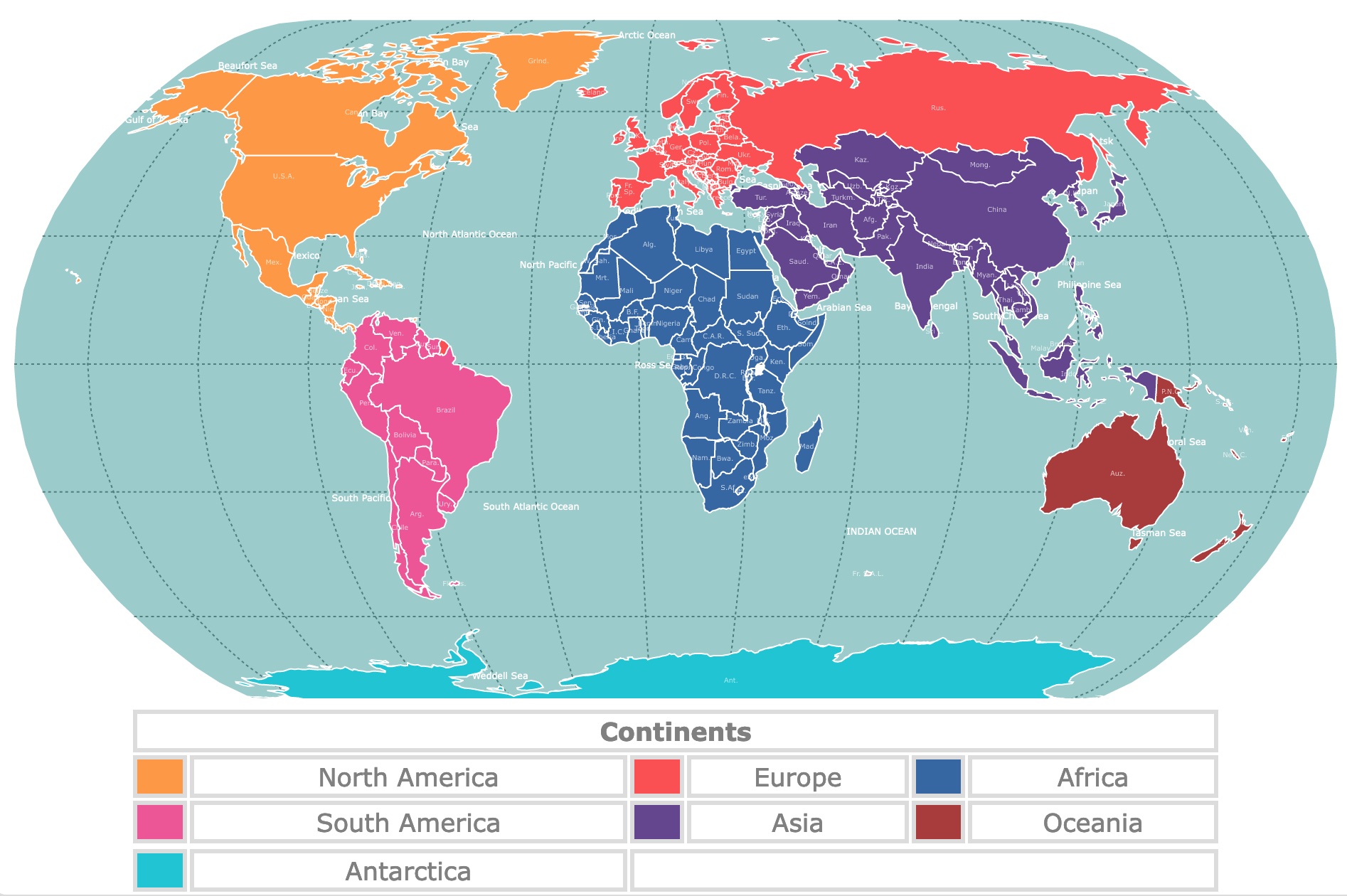
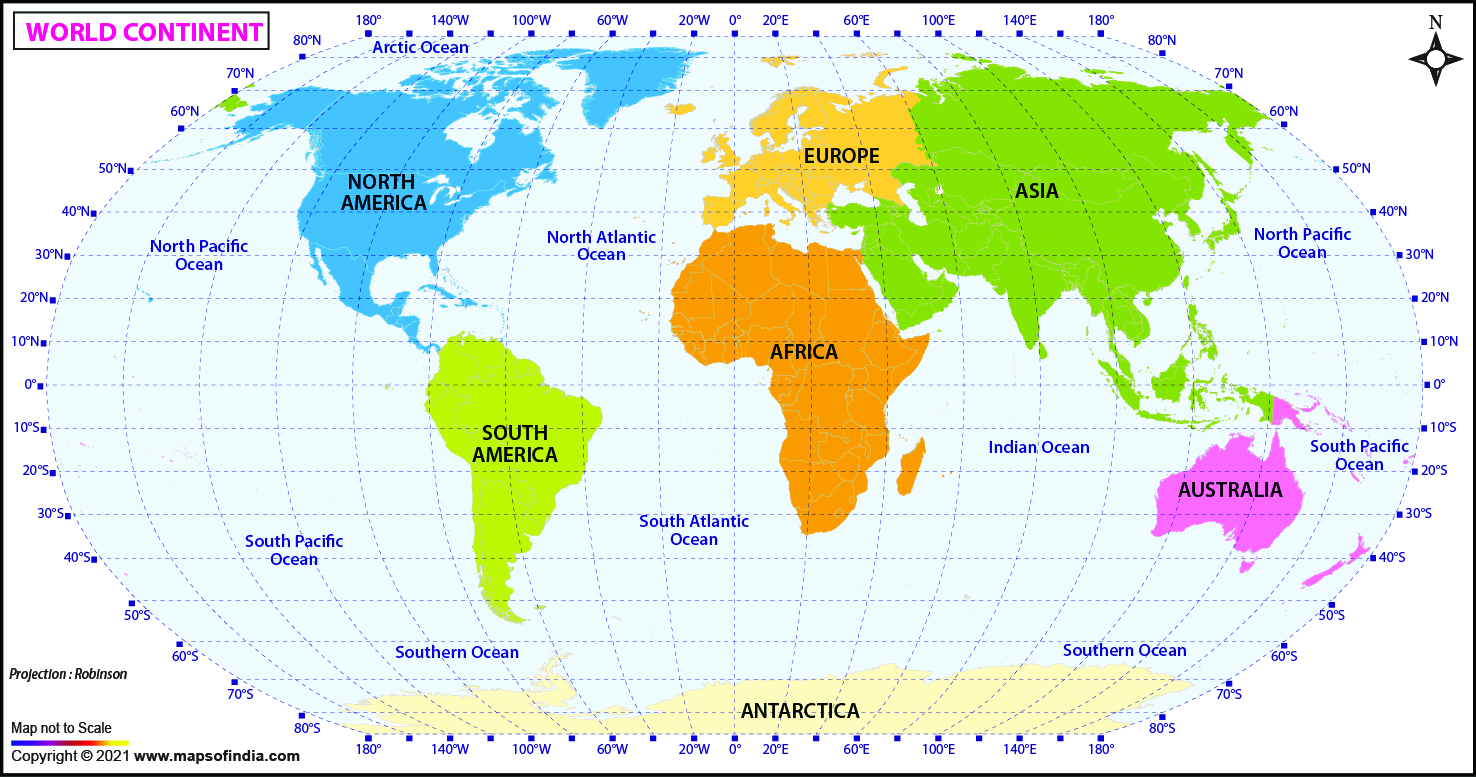
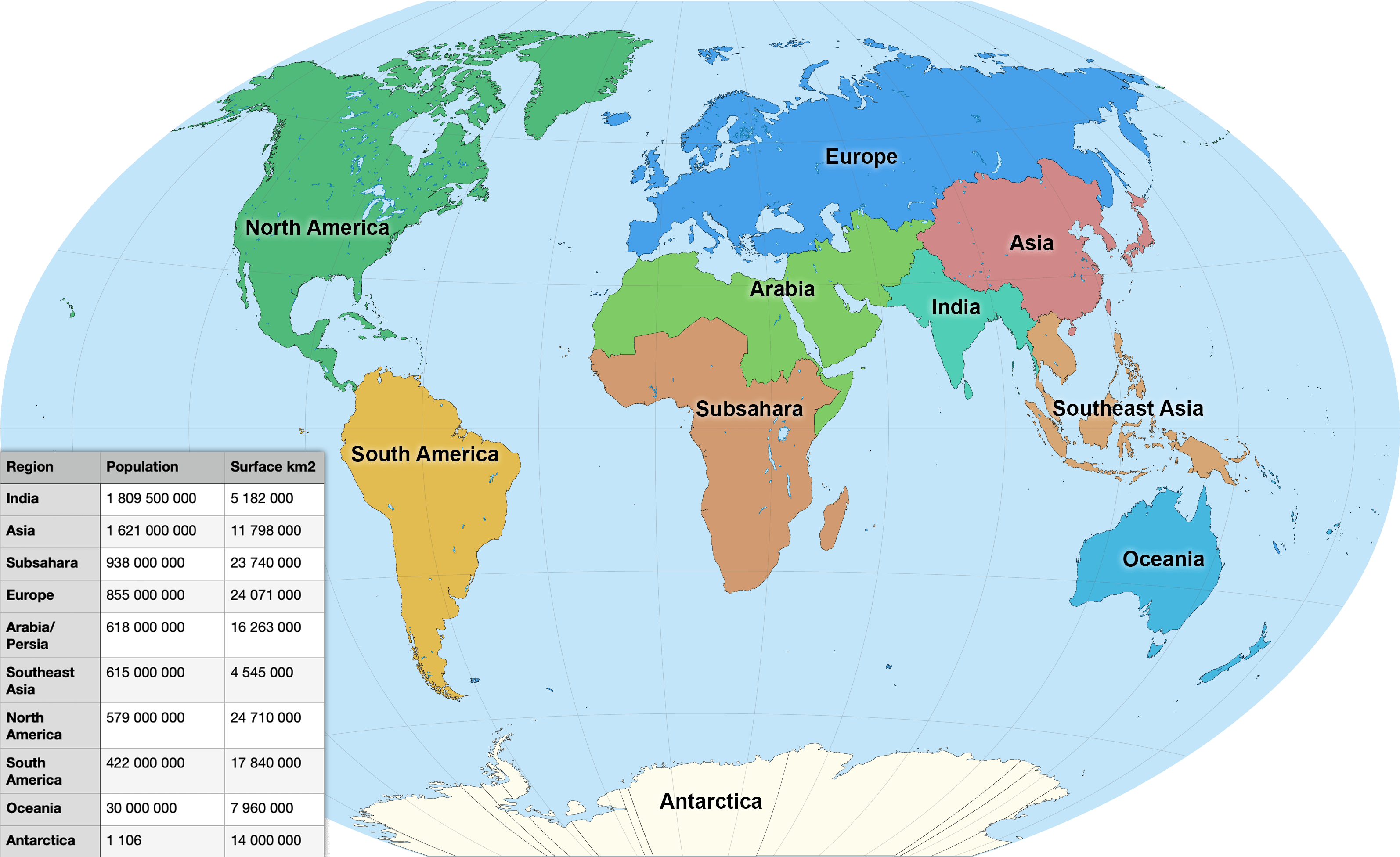
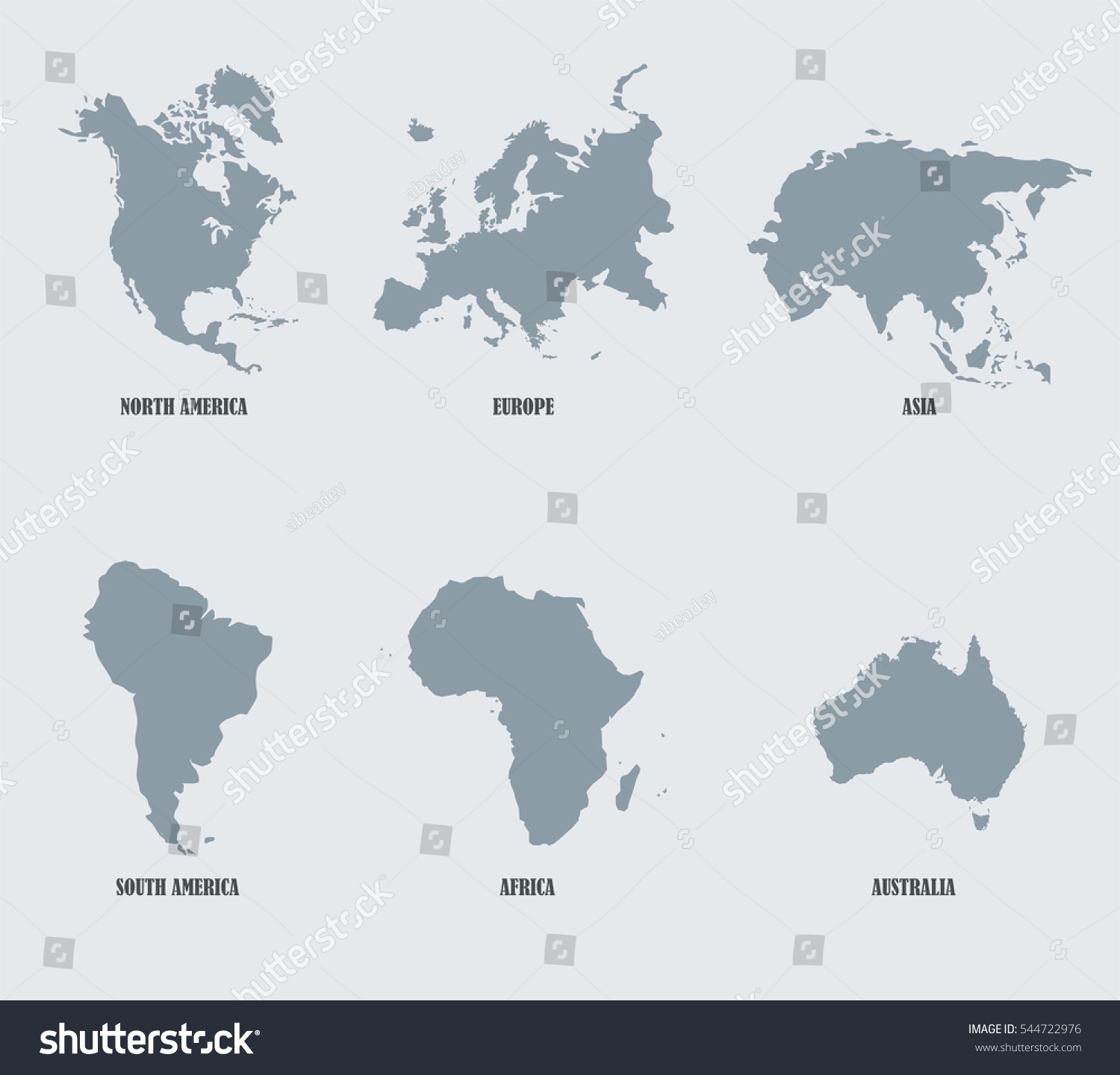
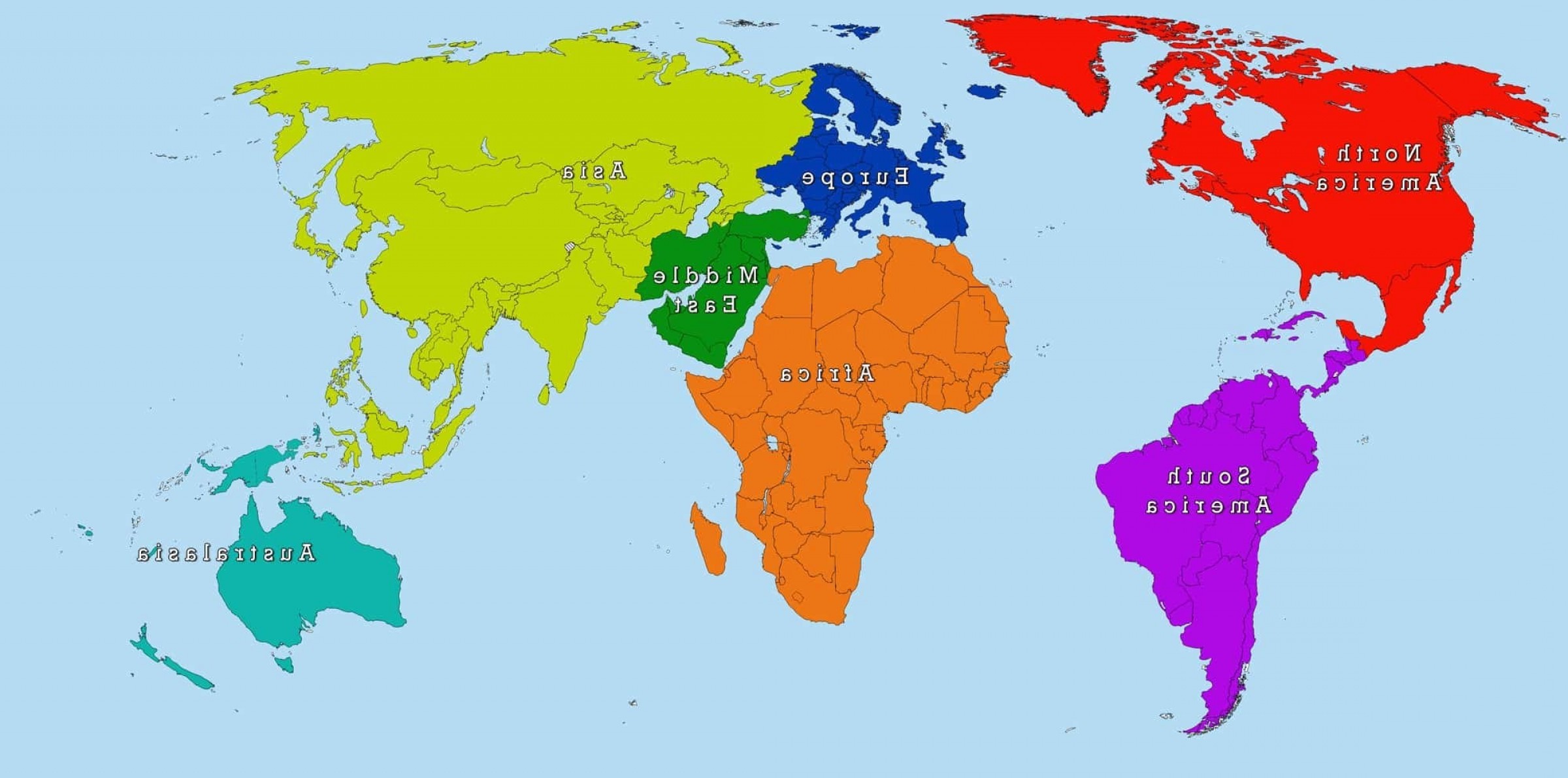
The concept of the 5 continents of the world map is a simplification primarily used for educational purposes. It offers a basic framework for understanding global geography. These continents are: Africa, Americas (North and South combined), Asia, Europe, and Oceania (Australia). This classification simplifies the complex geological and cultural realities, providing a manageable introduction to world geography for students and the general public. The 5 continents of the world map helps simplify the world for everyone!
Africa: The Cradle of Humankind and a Continent of Diversity
Africa, according to the 5 continents of the world map, is a vast and diverse continent, often referred to as the "cradle of humankind." It boasts an incredible range of landscapes, from the Sahara Desert to the lush rainforests of the Congo Basin. The continent is home to a rich tapestry of cultures, languages, and traditions. Understanding Africa on the 5 continents of the world map requires acknowledging its historical complexities, its vibrant present, and its immense potential for the future. Exploring "5 continents of the world map" is to reveal this amazing continent and so much more!
The Americas: A Dual Continent of Contrasts
The Americas, considered a single continent on the 5 continents of the world map, are divided into North and South America. North America is characterized by its developed economies, diverse landscapes ranging from the arctic tundra of Canada to the deserts of the southwestern United States, and influential cultural centers. South America, on the other hand, is known for its biodiversity, including the Amazon rainforest, the Andes Mountains, and vibrant cultures influenced by indigenous, European, and African heritage. Representing the Americas on the 5 continents of the world map shows a great combination of different cultures.
Asia: The Largest and Most Populous Continent
Asia, according to the 5 continents of the world map, is the largest and most populous continent, home to approximately 60% of the world's population. It is a land of extremes, encompassing the highest mountains (the Himalayas), vast deserts (the Gobi), and dense rainforests. Asian cultures are incredibly diverse, with ancient civilizations, modern metropolises, and rapidly developing economies. Grasping the immense scale of Asia on the 5 continents of the world map is essential for understanding global politics, economics, and culture. The continent's impact on the 5 continents of the world map and the world stage is undeniable.
Europe: A Continent of History and Innovation
Europe, as part of the 5 continents of the world map, is a continent steeped in history and renowned for its innovation. Despite being relatively small in land area, Europe has played a pivotal role in shaping global politics, culture, and technology. It is home to a diverse range of countries, each with its own unique history, language, and traditions. The concentration of influential nations within Europe on the 5 continents of the world map makes it a crucial player in international affairs. The historical contributions found throughout the "5 continents of the world map" are amazing.
Oceania: Islands and Isolation
Oceania, also known as Australia, is the smallest continent according to the 5 continents of the world map. It is largely comprised of Australia, New Zealand, and thousands of smaller islands scattered across the Pacific Ocean. Oceania is characterized by its unique flora and fauna, including kangaroos, koalas, and a diverse range of bird species. The relative isolation of Oceania, as depicted on the 5 continents of the world map, has contributed to its distinct natural environment and cultural heritage. This smaller piece on the 5 continents of the world map has amazing culture.
Frequently Asked Questions About the 5 Continents of the World Map
Q: Why are there different numbers of continents depending on the model?
A: The definition of a continent is partly based on convention rather than strict geological criteria. The 5 continents of the world map is a simplification used for educational purposes. The 7-continent model is more common in some parts of the world. Both models are valid, depending on the perspective.
Q: What are the main differences between the 5 and 7 continent models?
A: The main difference is that the 7-continent model separates North and South America, and Antarctica is counted as a separate continent. The 5 continents of the world map combines the Americas and does not always prominently feature Antarctica.
Q: Is Antarctica a continent in the 5 continents of the world map?
A: While not always explicitly featured, Antarctica is sometimes considered part of the "Americas" or simply acknowledged separately in discussions about the 5 continents of the world map. It is more prominently featured in the 7-continent model.
Q: Which model (5 or 7 continents) is more accurate?
A: Neither model is inherently "more accurate." They are simply different ways of categorizing the Earth's landmasses. The 5 continents of the world map offers a simpler, broader overview, while the 7-continent model provides more granularity.
Q: Where can I find a reliable 5 continents of the world map?
A: Educational websites, geography textbooks, and many online resources provide examples of the 5 continents of the world map. Just search online!
Conclusion: Navigating Our World with the 5 Continents Model
The 5 continents of the world map provides a valuable framework for understanding global geography. While simplified, it offers a accessible way to learn about the major landmasses, their unique characteristics, and their relationships to one another. Whether you're a student, a traveler, or simply curious about the world, the 5 continents model is a helpful starting point for exploring our planet.
Keywords: 5 continents of the world map, Africa, Americas, Asia, Europe, Oceania, world geography, continents, global map, educational geography, geographical regions.
Summary Q&A: What are the 5 continents in the 5 continents of the world map? Africa, Americas, Asia, Europe, Oceania. Why use a 5-continent model? Simplicity and ease of learning.