Have you ever wondered how games truly detect piracy, or if there's a secret digital bouncer keeping tabs on every player? It's a fascinating, complex world, constantly evolving as developers and anti-piracy tech companies work tirelessly to protect their creations. This guide dives deep into the sophisticated mechanisms game publishers employ to identify unauthorized copies. We will explore everything from digital rights management (DRM) to hidden checks within the game code, understanding the subtle and not-so-subtle ways games confirm your legitimacy. Discover the intricacies of license validation, online authentications, and the clever methods preventing altered game files from running. We're breaking down the tech, giving you the lowdown on how these systems work, and explaining why it's such an ongoing cat-and-mouse game in the gaming industry.
Latest Most Asked Questions about How Games Detect Piracy
Welcome to our ultimate living FAQ, meticulously updated for the latest anti-piracy strategies and game protection patches. This comprehensive guide aims to shed light on one of the most persistent challenges in the gaming industry: how developers safeguard their creations from unauthorized copying and use. We understand that this topic can be complex, so we've gathered and answered the most common questions people are asking online, providing clear, concise, and up-to-date information. Dive in to unravel the mysteries behind digital rights management, license validation, and the constant technological battle.
Understanding Game Piracy Detection
What is DRM and how does it prevent piracy?
DRM, or Digital Rights Management, refers to technologies that control access to copyrighted digital content, including video games. It works by implementing various checks, such as online authentication, license key validation, and hardware binding. These measures ensure that only legitimate, purchased copies of a game can be launched and played, effectively preventing unauthorized copying and distribution.
How do games detect if their files have been tampered with or cracked?
Games often employ file integrity checks using checksums or hashes. These digital fingerprints verify that crucial game files haven't been altered from their original state. If a game detects a mismatch, indicating a potential crack or modification, it can prevent the game from launching or trigger anti-piracy responses, rendering the unauthorized copy unplayable. This helps maintain the game's intended functionality.
Can offline games still detect piracy without an internet connection?
Yes, many offline games incorporate DRM that can detect piracy even without a constant internet connection. This might involve an initial online activation that binds the game to your hardware or requires periodic online re-validation. Additionally, local file integrity checks and license key validations can still identify pirated copies based on stored data or unique identifiers. So, no internet doesn't always mean no detection.
Do pirated games get banned from online services?
Absolutely, pirated games are highly susceptible to bans, especially when attempting to access online multiplayer services. Game publishers often link anti-piracy measures with online account systems. If a pirated copy connects to official servers, the system can detect the unauthorized license or modified files, leading to a permanent ban of the associated game account or even the hardware ID. This ensures fair play for legitimate users.
What are some common anti-piracy measures besides DRM?
Beyond traditional DRM, developers use various clever anti-piracy measures. These include dynamic code obfuscation, which makes cracking more difficult by scrambling the game's executable. They also utilize behavioral analysis, where the game monitors for unusual actions indicative of piracy, and server-side authentication for online components. Some even embed 'tripwire' code that introduces subtle, game-breaking bugs into pirated versions. These diverse tactics create a robust defense.
Does anti-piracy software impact game performance?
It's a common concern, and in some cases, certain anti-piracy software, particularly highly intrusive DRM like some versions of Denuvo, can have a measurable impact on game performance. The constant background checks and encryption/decryption processes can consume CPU cycles and memory. However, developers are continuously optimizing these systems to minimize performance overhead, but occasional impacts can still occur, especially on lower-end hardware configurations.
What happens if a game detects I'm using a pirated copy?
If a game detects a pirated copy, the consequences can vary significantly. Common outcomes include the game refusing to launch at all, crashing frequently, or displaying error messages. Some anti-piracy measures might disable key features, corrupt save files, or introduce intentional, game-breaking bugs designed to frustrate pirates. For online games, detection almost certainly leads to a ban from multiplayer services, rendering the game unplayable. It's often not a pleasant experience.
Still have questions?
We know the world of game anti-piracy is constantly evolving. If you've got more questions or want to dive deeper into a specific aspect, don't hesitate to ask! One popular related query is "How often are games updated to combat new cracks?" Developers typically issue patches and updates as new cracking methods emerge, making it an ongoing battle to resolve unauthorized access.
Hey everyone, have you ever seriously wondered, "How do games actually detect piracy?" It's a question many of us have pondered, especially with all the talk about digital rights management, or DRM. Honestly, it feels like this clandestine world of code and hidden checks, where games themselves are acting as digital bouncers. Developers are getting really clever these days, constantly evolving their methods to ensure you are playing a legitimate copy of their hard work. And honestly, it's a fascinating, high-stakes game of cat and mouse.
We're talking about sophisticated systems designed to protect valuable intellectual property from unauthorized copying and distribution. This isn't just about stopping people from getting a game for free; it is also about preserving the financial viability of game studios. So, let's pull back the curtain and peek into some of the most common and intricate ways games recognize genuine players from the digital trespassers. You might be surprised by how many layers of security are actually in place.
The Digital Bouncers: What is Anti-Piracy?
So, what exactly is anti-piracy in the gaming world? Basically, it encompasses any technology or strategy implemented by game developers and publishers. This implementation is designed to prevent, detect, or deter the unauthorized use, copying, or distribution of their video games. It's their first line of defense against the widespread issue of software piracy, which costs the industry billions. These measures are often integrated deeply within the game's code, sometimes even before you ever launch the application.
The goal is to make it incredibly difficult for pirates to create functional cracked versions that bypass these protective layers. If a game can effectively detect that it is being run illegitimately, it can then take various actions. These actions might range from refusing to launch, limiting features, or even penalizing the player. This constant innovation in anti-piracy ensures that the games you purchase are unique to your ownership.
DRM Deep Dive: License Checks and Online Verification
Digital Rights Management, or DRM, is probably the most widely known term in the anti-piracy arsenal. It's essentially a set of technologies used to control access to copyrighted material, like video games. When you buy a game, what you are really purchasing is a license to play it, not outright ownership of the software itself. DRM systems are then responsible for verifying that license every time you attempt to launch the game.
Many DRM solutions require an online connection for an initial activation or periodic re-verification. This online check communicates with the publisher's servers to confirm your purchase details and validate your unique product key. If the system cannot verify your license, perhaps because it's already in use or flagged as pirated, the game simply will not start. This online component makes it extremely difficult for cracked versions to emulate a legitimate user experience without constant server interaction.
The Power of License Keys and Unique Identifiers
License keys are fundamental to how many DRM systems function, acting as a unique digital fingerprint for your purchase. When you buy a game, you receive a key, and this key is then registered to your account, like on Steam or Epic Games. The game's anti-piracy measures check if the key is valid and linked to your specific user profile. If the key is found to be invalid, duplicated, or part of a known list of pirated keys, the game’s protective systems will usually intervene. This method creates a direct link between your purchase and your ability to play the game securely.
Beyond just product keys, games also use unique hardware identifiers from your computer during activation. This helps bind the game license to a specific system, preventing easy sharing of a single purchase across multiple machines. It ensures that your unique setup is recognized as authorized. So, if someone tries to copy your game files directly to another computer without proper activation, the game detects the hardware mismatch and often refuses to run.
Checksums and File Integrity: Spotting Tampered Code
Another crucial detection method involves checking the integrity of the game's files themselves. Pirates often need to modify game executables or libraries to bypass DRM protections or other security measures. These modifications change the original file's digital signature, which is where checksums come into play. A checksum is like a mathematical fingerprint for a file, a unique value calculated from its contents.
Legitimate games store the correct checksums for their essential files, either locally or on a remote server. When you launch the game, its anti-piracy system calculates the checksums of critical files and compares them against the known good values. If there's a mismatch, it means the file has been altered, indicating a potential crack or unauthorized modification. This check can prevent the game from launching or trigger other anti-piracy responses, making it hard to run tampered versions.
Behavioral Analysis and Server-Side Checks
Beyond file integrity and license checks, some advanced anti-piracy solutions employ behavioral analysis. This means the game monitors how it's being played and what actions are being performed within the game environment. If the game detects unusual behavior that deviates from what a legitimate copy would typically do, it might flag it as pirated. This could include running without expected background processes or accessing game features that haven't been unlocked legitimately. It's like the game is watching your playstyle for any suspicious moves.
For online multiplayer games, server-side checks are incredibly powerful. Even if a pirated copy manages to bypass local DRM, it still needs to connect to the game's official servers to play online. These servers perform their own set of rigorous validations, checking account authenticity, game version, and license status. A pirated copy almost certainly won't pass these server-side checks, effectively locking out pirates from the multiplayer experience. This approach essentially shifts the security burden to the developer's infrastructure.
The Ever-Evolving Cat-and-Mouse Game
Honestly, the whole situation is a constant arms race between game developers and those who aim to crack their games. As soon as a new DRM or anti-piracy measure is introduced, a community of dedicated crackers begins working to bypass it. And guess what? They often succeed, eventually. But then developers respond with updates, new patches, or even entirely new protective technologies. It’s an ongoing cycle where both sides are continuously innovating. Sometimes, the initial Denuvo protection for a big title might last for months, while other times, a game is cracked much faster. It truly depends on the specific implementation.
This means what works today might not be effective tomorrow, pushing developers to constantly improve their security protocols. It’s a costly endeavor for studios, but one they deem necessary to protect their investment and ensure a fair playing field for everyone. So, the next time you hear about a game being cracked, just remember it's one small battle in a much larger, endless war. It is a war fought with lines of code and digital shields. It’s a war that continues to shape the future of game distribution and player access.
So, does that make a bit more sense on how games try to detect piracy? It’s far more intricate than just a simple on/off switch. There are so many layers involved. I hope this guide helps you understand the complexity and the continuous effort behind protecting game software. What do you think about these methods?
Games use various methods to detect piracy, including Digital Rights Management (DRM) systems, online authentication, license key validation, file integrity checks, and behavioral analysis. These technologies aim to prevent unauthorized copying, distribution, and modification of game software. Detection often involves verifying ownership against servers, looking for modified game files, or identifying unusual game behavior. The battle between developers and pirates is a continuous, evolving technological arms race.
35
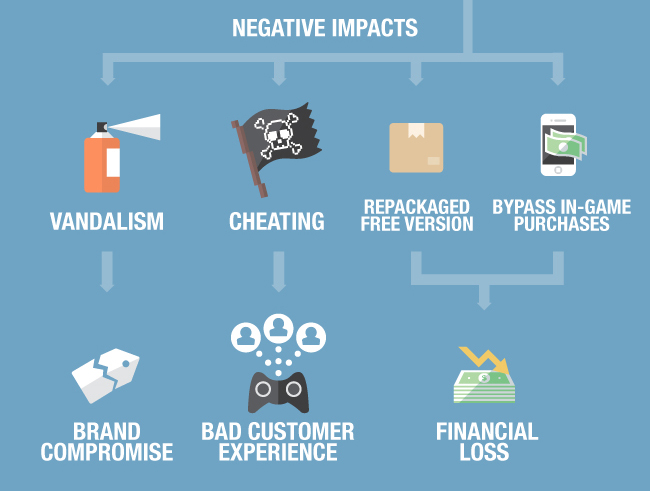


How Do Games Know You Pirated YouTube . How Do Games Detect Piracy Adcod Com How Do Games Detect Piracy . What Is Video Game Piracy How To Prevent It DMCA Authority Monitoring For Video Game Piracy . What Is Video Game Piracy How To Prevent It DMCA Authority What Is Video Game Piracy 1024x512 . What Is Video Game Piracy How To Prevent It DMCA Authority Methods To Prevent Video Game Piracy


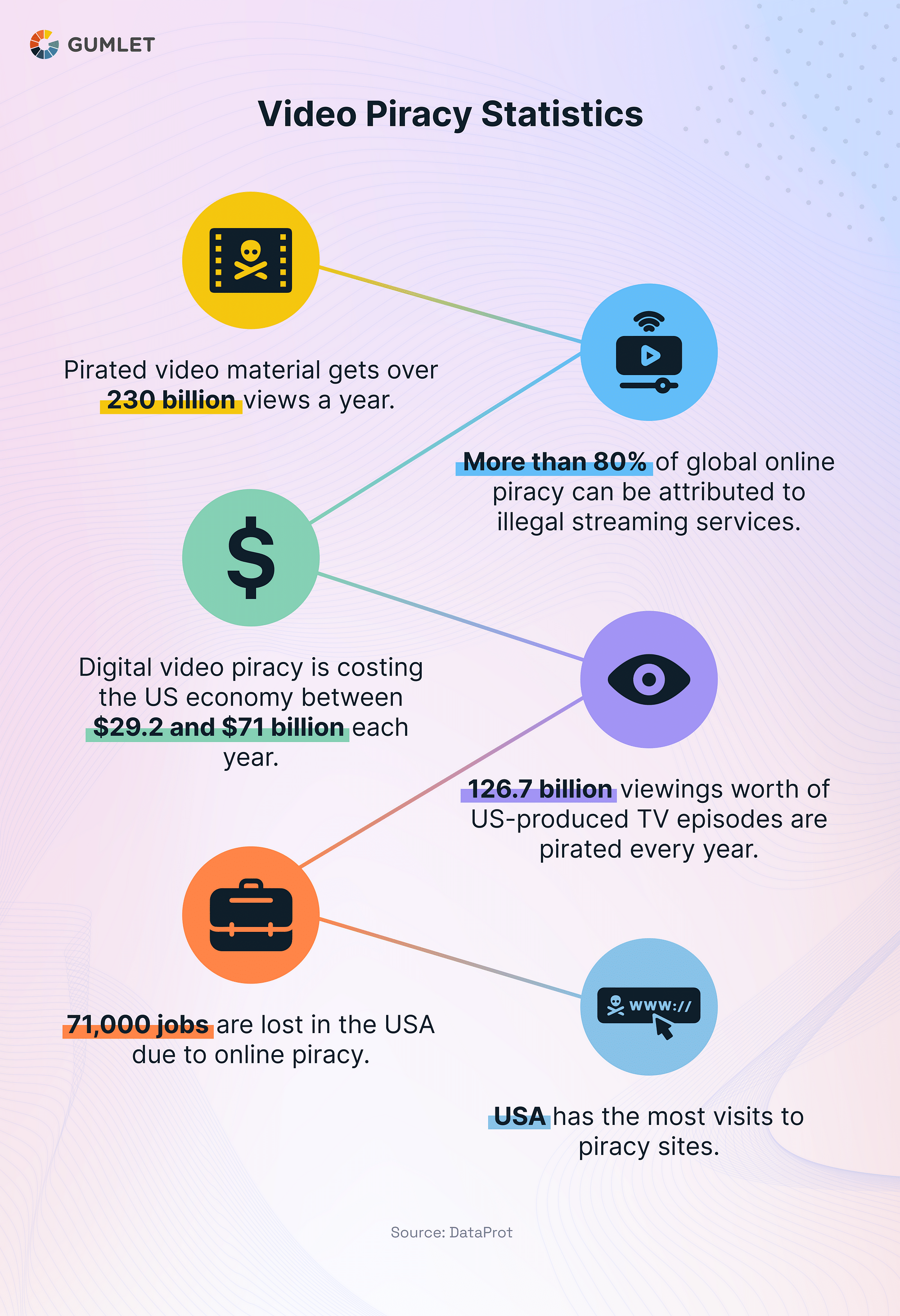

What Is Video Game Piracy How To Prevent It DMCA Authority Impact Of Video Game Piracy . How Video Game Piracy Influences Tcm228 184534 . Cracked Games Do Not Play Pirated Games Blog . Best Ways To Prevent Online Videos From Piracy Gumlet Video Piracy Statistics . What Is Video Game Piracy How To Prevent It DMCA Authority Video Game Piracy Enforcement



Video Game Piracy Copyright Video Game Consoles 1587494047. Does Windows 11 Detect Pirated Software Xbox Developer Direct 2026 . 10 Super Anti Piracy Measures Traps In Video Games 1 YouTube . Can Steam Detect Pirated Games As A Gamer You Ve Probably Heard . Risks Of Downloading Pirated Video Games Onsist Video Game Piracy 1024x577



The Lost Art Of Video Game Anti Piracy YouTube . Video Game Piracy A Low Blow For Game Development By QATestLab Medium . The Strangest Anti Piracy In Games Diamondbolt YouTube . How To Protect Your Game From Piracy By Bytescare Medium . 40 Piracy Statistics And Trends 2026 Top 6 Piracy Statistics 1024x855


Piracy Report Uswitch Top 15 Most Pirated Games . Anti Piracy Screen Games Part 48 YouTube . How To Stop Software Piracy Step By Step Software Piracy Stats Top 20 . Putlocker With Out A Paddle A Deep Dive Into The Illegality And VideoPiracy 1 1024x406 . Pirated Games Assets Reached 74 000 000 000 In 2014 According To State Of Piracy 06


Anti Piracy Screens Internet Mysteries YouTube . Why Internet Piracy Is On The Rise How Netflix Makes Piracy Justified . Decline In Global Maritime Piracy And Armed Robbery In 2024 ICC IMB Global Piracy Incidents 2024 1.webp. Are Cracked Games Safe CyberPost Featured . New Report Highlights Continued Threat Of Somali Piracy ICC 2024 IMB Report 6 MAP


Game Piracy Runs Rampant On The Internet 070514 PirateSites Hmed2 6p . Digital Piracy Statistics 2025 FYSY 127 . PDF Fate Of Game Piracy And Digital Ownership Paradox A Battle . How Does Game Piracy Even Work EXPLAINED YouTube . How Video Game Developers Detect Pirated Games YouTube