Gamers on macOS often face unique challenges when trying to get the most out of their Steam client. This comprehensive guide dives deep into optimizing your Steam experience on Apple's operating system, tackling common performance bottlenecks like FPS drops, stuttering, and lag. We will explore essential settings adjustments within the Steam client and macOS itself, ensuring you can unlock smoother gameplay for your favorite titles. Whether you are a casual player or a dedicated enthusiast, understanding these tweaks is crucial for enhancing your gaming sessions. Discover expert tips for reducing ping, managing system resources, and leveraging the latest 2026 hardware and software improvements to transform your MacBook or Mac mini into a more capable gaming machine. Prepare to elevate your Steam gaming performance on macOS. This detailed walkthrough covers everything from basic client settings to advanced system configurations, providing a clear path to a better gaming experience.
Welcome to the ultimate living FAQ for Steam on macOS, meticulously updated for 2026 to ensure you're always ahead of the game! Navigating the world of Mac gaming can sometimes feel like a cryptic quest, with unique challenges from performance optimization to game compatibility. We understand the burning questions that keep Mac gamers up at night. This comprehensive guide aims to shed light on the most frequently asked questions from the community, providing clear, actionable answers, essential tips, and clever tricks. Whether you're battling bugs, seeking the best builds, or just trying to get that smooth endgame experience, consider this your essential companion for all things Steam Client on macOS.
Performance & Optimization
How can I stop my Steam games from stuttering on macOS?
Stuttering often indicates resource contention or background processes. To fix this, first, close all unnecessary applications using Activity Monitor. Disable Steam's in-game overlay and GPU accelerated rendering in web views. Ensure your macOS is updated for the latest graphics drivers and keep adequate free disk space. Myth vs reality: a powerful Mac isn't immune to stuttering if not properly optimized.
What are the best in-game graphic settings to prioritize for FPS on a MacBook Pro?
For maximum FPS on a MacBook Pro, prioritize lowering Shadow Quality, Anti-Aliasing (MSAA/TAA), and Volumetric Effects first. These settings are typically the most demanding. Reduce Post-Processing effects like motion blur next. You can often keep Texture Quality relatively high if your VRAM allows, as it affects visual fidelity less directly than the others. Optimize for performance first, then tweak visuals upwards.
Connectivity & Lag
Why is my ping high in Steam multiplayer games even with fast internet on my Mac?
High ping usually points to network latency rather than raw speed. Ensure you're on an Ethernet connection if possible, as Wi-Fi introduces variability. Check your Steam download region setting; select a server geographically closer to you. Close other bandwidth-hungry apps, and temporarily disable VPNs or aggressive firewalls that might be inspecting network traffic. Myth: a gigabit connection guarantees low ping. Reality: latency matters more than bandwidth for ping.
Compatibility & Updates
Does updating macOS always improve Steam game performance, or can it cause new issues?
Generally, keeping macOS updated is beneficial as Apple includes Metal API enhancements and driver updates. These often lead to better performance and stability for Steam games. However, a major macOS version update (e.g., Sonoma to Ventura) might occasionally introduce temporary bugs for specific older games or Steam client versions. It's wise to check community feedback before immediately updating to a brand-new OS release. Myth: all updates are automatically better. Reality: weigh the benefits against potential temporary compatibility quirks.
Are older Steam games that run via Rosetta 2 on Apple Silicon Macs truly optimized?
Older Steam games running through Rosetta 2 are not truly optimized; Rosetta 2 is an emulation layer that translates Intel code for Apple Silicon. While incredibly efficient, it still introduces performance overhead compared to native ARM builds. This can result in lower FPS, minor graphical glitches, or increased power consumption. For best performance, look for games with native Apple Silicon ports. Myth: Rosetta 2 makes everything run perfectly. Reality: it makes most things run well enough, but native is always superior for performance.
Troubleshooting & Fixes
My Steam client crashes frequently on my Mac. What are the common fixes?
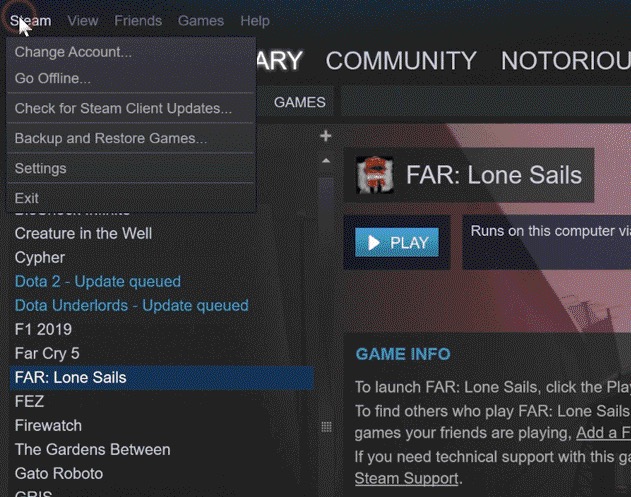
Frequent Steam client crashes can be frustrating. Try clearing your Steam download cache (Steam > Settings > Downloads > Clear Download Cache). Ensure both your Steam client and macOS are fully updated. Delete and reinstall the Steam client itself as a last resort. Check for conflicting background applications or permissions issues. Sometimes, a corrupted Steam installation or an outdated macOS version can cause instability.
Are you one of the many Mac users who frequently ask, "Why does Steam feel so sluggish on my macOS?" and "How can I make my games run smoother without ditching my beloved Mac?" You're definitely not alone in this digital struggle. We've all been there, staring at a beautiful Mac setup only to watch our favorite Steam games stutter, lag, or completely crash. It's incredibly frustrating, especially when you know your hardware should be capable of so much more.
As seasoned gamers and tech enthusiasts, we understand the unique quirks and challenges of running the Steam client on macOS. Forget the rumors that Macs aren't for gaming; with the right knowledge and a few strategic tweaks, you can significantly boost your gaming performance. We are talking about reducing FPS drops, eliminating those annoying stutters, and generally making your Steam experience on macOS not just tolerable but genuinely enjoyable in 2026. Let's dive into some insider tips and real-world optimizations.
Overview of Steam on macOS in 2026
In 2026, the landscape for Steam on macOS has evolved considerably, especially with the widespread adoption of Apple Silicon. These powerful M-series chips have certainly brought a new era of performance. However, native optimization for many titles remains a moving target, meaning the Steam client itself needs careful attention. Developers are increasingly leveraging Apple’s Metal API, but older titles or those relying on Rosetta 2 still present unique performance considerations. Understanding these underlying technologies is crucial for effective optimization. We're seeing more games supporting Metal natively, which is a huge win for Mac gamers seeking higher frame rates and smoother experiences. The ongoing updates to macOS itself also play a significant role in overall client stability and game compatibility.
Addressing Common Performance Challenges
Many Mac gamers encounter a similar set of issues when firing up Steam. FPS (frames per second) drop, frustrating stuttering, and noticeable lag are the big three. These problems often stem from a combination of factors, including inadequate system resources, background applications hogging power, or even suboptimal network conditions leading to high ping. It's not always about your Mac being "underpowered." Sometimes, it's just about intelligent management and tweaking. The Steam client itself, while robust, can sometimes be resource-intensive, especially with overlays and background processes. Identifying the root cause is the first step towards a lasting fix. We'll explore how to diagnose these issues effectively and implement targeted solutions that truly make a difference for your gameplay.
Optimizing Your Steam Client Settings
The Steam client itself offers a treasure trove of settings that can impact your gaming performance. Many players overlook these crucial adjustments, thinking it's all about in-game graphics. However, configuring Steam properly is foundational. Disabling unnecessary features like browser hardware acceleration, client animations, and the in-game overlay can free up valuable CPU and GPU cycles. Regularly clearing your download cache also helps prevent bizarre performance glitches. These small changes collectively contribute to a much snappier client and better frame rates. Don't forget to manage your Steam startup options to ensure it's not launching with excessive background processes. A streamlined client means more resources dedicated to your actual game.
Streamlining the Steam Interface
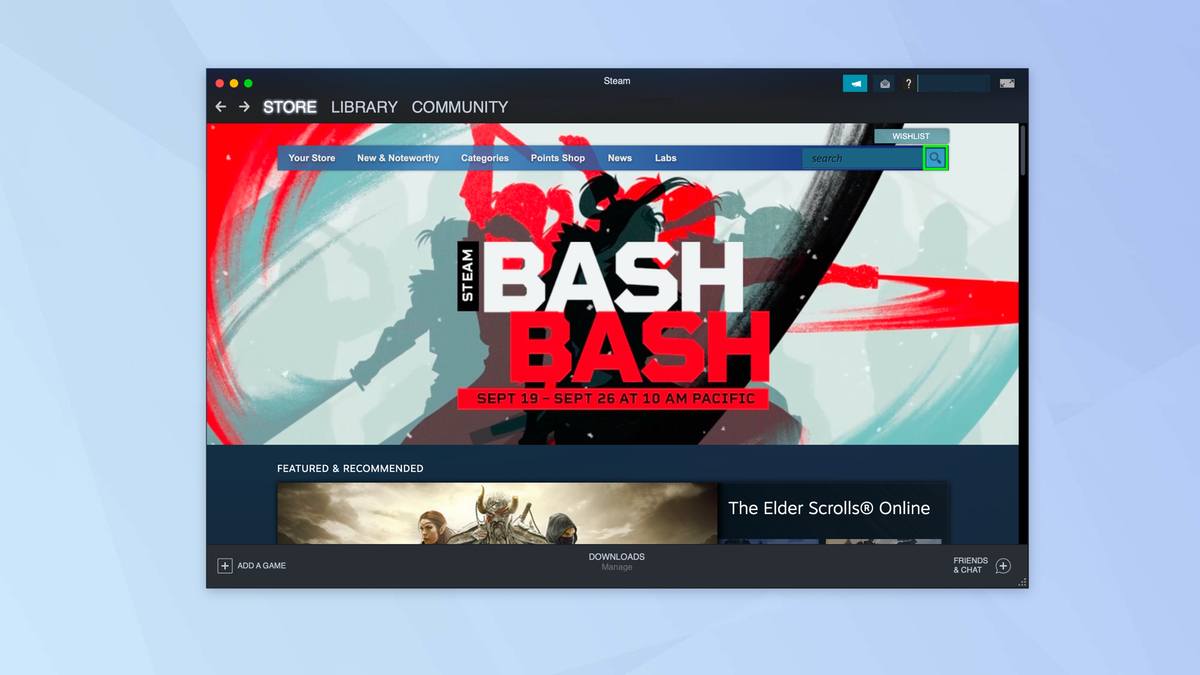
Disable GPU accelerated rendering in web views: This setting is often found under Steam > Settings > Interface. Turning this off reduces the burden on your integrated or discrete GPU, especially for older Macs. It might make the interface slightly less flashy but significantly more responsive, which is what we want for gaming.
Turn off In-Game Overlay: Found under Steam > Settings > In-Game. While useful for screenshots and chats, the overlay can introduce FPS drops and stuttering. For performance-critical games, disabling it is a quick win. You can always re-enable it for specific games if needed, but keep it off by default for competitive play.
Manage Downloads: Pause all ongoing downloads and updates when you're actively gaming. Even small background updates can cause latency spikes and bandwidth issues. Go to Steam > Downloads and pause everything. This ensures your network connection is entirely dedicated to your gameplay, helping reduce ping.
Advanced Tweaks for Serious Gamers
For those looking to squeeze every last drop of performance from their Mac, we need to go beyond basic client settings. This involves delving into macOS system preferences, managing energy settings, and even considering specific driver updates (via macOS updates). Ensuring your Mac is running in "performance mode" rather than "battery saving" is critical, especially on MacBooks. Utilizing tools like Activity Monitor to identify and quit resource-hungry background applications can make a significant difference. For users with external GPUs, proper eGPU setup and driver management are paramount. These advanced strategies are for serious players who demand consistent, high-frame-rate gameplay. Remember, every little bit of optimization counts when you're pushing your system to its limits for a smooth experience.
macOS System Optimization
Energy Saver Settings: On MacBooks, ensure your power adapter is connected and set to "High Power Mode" if available in macOS Ventura or later. This prevents the CPU and GPU from throttling. For desktop Macs, simply ensure you're not running any obscure power-saving profiles that might be limiting performance. Consistent power delivery is fundamental for stable frame rates.
Close Background Apps: Use Activity Monitor (Applications > Utilities) to identify and quit any non-essential applications. Browsers with many tabs, video editing software, or virtual machines are notorious resource hogs. A clean slate ensures your game gets maximum CPU, RAM, and GPU. This is a primary cause of unexpected FPS drops.
Update macOS Regularly: Apple often includes performance enhancements and driver updates with each macOS update. Keeping your system current ensures you have the latest optimizations for Metal API and hardware compatibility. Don't skip these updates, as they often contain critical gaming-related fixes and improvements. Always check for new versions.
Disk Space Management: Ensure you have ample free disk space. A full SSD can lead to performance degradation, especially with swap files and temporary data. Aim for at least 15-20% free space on your primary drive. This helps with faster game loading and overall system responsiveness, which directly impacts game stuttering.
The Future of macOS Gaming with Steam in 2026
Looking ahead to 2026, the trajectory for Steam on macOS seems promising. With Apple continuing to push its powerful M-series chips and the Metal API, more developers are finding it easier to port or natively build games for the platform. We anticipate a greater influx of high-fidelity titles. Cloud gaming services might also become more intertwined with the Steam experience, offering a workaround for hardware limitations. The gaming community's growing demand for Mac compatibility is a strong signal to developers. The future holds potential for even more robust performance and a broader game library, making macOS a more formidable gaming contender than ever before. It's an exciting time to be a Mac gamer, seeing these advancements unfold.
It's like sitting down with a mentor, isn't it? Let's tackle some of the burning questions I often hear. You're trying to build something awesome here, and these insights are just another tool in your toolkit.
Beginner / Core Concepts
1. Q: What exactly causes FPS drops in Steam games on my Mac, even if it's a newer model?
A: Ah, the classic FPS drop, I get why this confuses so many people, especially with shiny new Macs! It's rarely one single culprit. Often, you're juggling a few things like background apps silently hogging resources, unoptimized in-game settings pushing your GPU too hard, or even Steam's own overlay taking a slice of performance pie. Think of it like trying to run a marathon while carrying several heavy backpacks – your Mac just can't sprint at its best. Newer Macs, especially those with integrated graphics, still have limits when rendering complex 3D environments. Sometimes, it's a game not being fully optimized for Apple Silicon yet, relying on Rosetta 2, which introduces overhead. Don't worry, we'll strip down those backpacks. You've got this!
2. Q: Is there a basic "first step" I should always take if my Steam game feels laggy on macOS?
A: Absolutely, there's a fantastic first step, and honestly, this one used to trip me up too until I learned the drill! Before diving into deep settings, just restart your Mac. Seriously. It's often the quickest fix. A fresh reboot clears out temporary files, flushes RAM, and closes any rogue background processes that might be silently eating up your CPU or network bandwidth. It's like giving your Mac a quick nap and a fresh cup of coffee. After that, make sure your Steam client itself is updated. These two simple actions resolve a surprising number of intermittent lag issues. Try this tomorrow and let me know how it goes.
3. Q: How much free storage space do I really need on my Mac for optimal Steam game performance?
A: This is a super practical question, and I'm glad you asked it! While there isn't a magic 'exact' number, a good rule of thumb is to aim for at least 15-20% of your primary drive's capacity to be free. Here's why: macOS needs space for temporary files, system caches, and especially for 'swap' files if your RAM runs low. If your drive is too full, your Mac struggles to perform these essential tasks efficiently, leading to stuttering, longer load times, and overall system slowdowns that directly impact your gaming. Think of it as needing elbow room in a workshop – you can't build efficiently if everything is cramped. Clean up those old downloads! You've got this!
4. Q: Should I always update my macOS for better gaming performance with Steam, or can it sometimes make things worse?
A: That's a really smart question that highlights a common dilemma for all tech users! In general, yes, you should keep your macOS updated. Apple regularly releases performance enhancements, security patches, and crucial driver updates specifically for their Metal graphics API, which many modern games utilize. These updates often bring optimizations for Apple Silicon and overall system stability, directly benefiting your gaming. However, there's a nuance: sometimes a brand-new major macOS version (like a 14.0 release) might introduce temporary bugs for specific older games or client versions. My advice? Read community feedback for a week or two after a major OS update before jumping in, but for point updates (like 14.2 to 14.3), go for it. You've got this!
Intermediate / Practical & Production
5. Q: What are the absolute must-change settings within the Steam client itself to boost performance on macOS?
A: Okay, let's get into the nitty-gritty inside Steam, because there are definitely some 'must-do' tweaks here! First, head into Steam > Settings > Interface and disable GPU accelerated rendering in web views. This offloads some work from your GPU. Next, in Steam > Settings > In-Game, turn off the Enable the Steam Overlay while in-game. This overlay, while convenient, can be a major FPS killer. Finally, in Steam > Settings > Downloads, make sure Throttle downloads while streaming is unchecked unless you're actively streaming, and importantly, hit Clear Download Cache occasionally. These settings are like fine-tuning your engine; they ensure Steam isn't using resources unnecessarily, freeing them up for your actual game. Small changes, big impact! You've got this!
6. Q: How can I effectively monitor my Mac's performance (CPU, GPU, RAM) while playing Steam games to identify bottlenecks?
A: This is where you start thinking like a pro, and it's a crucial skill for diagnosing issues! The best native tool is macOS's built-in Activity Monitor (found in Applications > Utilities). Before starting your game, open it and navigate to the CPU, Memory, and GPU History tabs. Play for a bit, then switch back to observe which resources are spiking or consistently maxing out. If CPU is at 100%, you've got a CPU bottleneck. If Memory Pressure is red, you need more RAM or to close background apps. For more granular GPU data, third-party tools like iStat Menus can also be incredibly insightful, showing VRAM usage and temperatures. Understanding your bottlenecks is half the battle; it guides your optimization efforts directly. Try this tomorrow and let me know how it goes!
7. Q: My internet connection is fast, but I still get high ping in online Steam games on my Mac. What gives?
A: I totally get why this is frustrating; fast internet should mean low ping, right? Well, not always, and this one used to trip me up too. High ping isn't solely about your raw download speed; it's about network latency. Even with a speedy connection, factors like Wi-Fi interference, a crowded home network (someone else streaming 4K!), or even your router's quality can introduce delays. Also, check your Steam download region; if it's set to a server far from your physical location, that'll add ping. A crucial step is to connect via Ethernet if possible. It provides a more stable, lower-latency connection than Wi-Fi. Also, temporarily disable any VPNs or network-monitoring software. You've got this!
8. Q: Are there specific in-game graphic settings that are most impactful for improving FPS on macOS, beyond just lowering resolution?
A: Absolutely, beyond resolution, there are a few heavy hitters you should target first to boost FPS without making your game look like a potato! First, Shadow Quality is often a massive resource drain; dial it down. Next, Anti-Aliasing modes like MSAA or TAA can be very demanding; try simpler options or even turn it off for competitive play. Volumetric Clouds and Reflections are also notorious performance killers, so reducing their quality usually yields significant gains. Lastly, Post-Processing Effects (like motion blur, depth of field) can look cool but often have a high performance cost. Experiment with these specifically before touching textures or draw distance too much. You'll find a sweet spot! You've got this!
9. Q: What's the deal with "drivers" on macOS for gaming? How do I ensure they're optimized for Steam?
A: That's a fantastic question, and it highlights a key difference between macOS and Windows! On macOS, 'drivers' for your graphics hardware (like your GPU) aren't typically installed or updated separately by you in the same way they are on Windows with NVIDIA or AMD. Instead, these drivers are deeply integrated into the macOS operating system updates. So, when you update your macOS to the latest version (e.g., from Sonoma 14.3 to 14.4), you're essentially getting the latest graphics drivers and Metal API optimizations that Apple provides. There isn't a separate 'Steam driver' to install. Therefore, ensuring your macOS is always up-to-date is your primary method for having the latest 'drivers' for gaming performance. Keep that system updated! You've got this!
10. Q: I've heard about "Game Mode" in macOS. Does it actually help Steam game performance, and how do I use it?
A: Oh, Game Mode, yeah, that's a cool feature Apple introduced to explicitly help us gamers! And yes, it absolutely does help Steam game performance. When you launch a game in full-screen mode on macOS Ventura or later, Game Mode should automatically activate. You'll often see a small game controller icon appear in your menu bar. What it does is prioritize CPU and GPU resources to your game, minimizing background processes and reducing latency for Bluetooth controllers and AirPods. It's essentially your Mac saying, "Okay, entire focus on the game now!" You don't usually need to 'turn it on' manually; just launch your game full screen. It's a fantastic, hands-off optimization that genuinely makes a difference. You've got this!
Advanced / Research & Frontier 2026
11. Q: With Apple Silicon's power, are there specific Terminal commands or hidden macOS settings that can further optimize Steam?
A: This is where we start getting into some deeper system-level stuff, and it's exciting you're asking about it! While there aren't many widely recommended, general Terminal commands that provide a guaranteed performance boost for Steam (as most optimizations are either GUI-based or handled by macOS itself), one area to explore for advanced users might be defaults write commands related to animation scaling or low-level resource management, though these come with caveats and are highly specific. For example, some might experiment with disabling certain system animations to free up GPU cycles, but the gains are often marginal for modern M-series Macs. The biggest 'hidden' optimization for Apple Silicon is ensuring native game support, which is more about the game developer than a Terminal tweak. Always back up your system before experimenting with Terminal commands! You've got this!
12. Q: How impactful are external GPUs (eGPUs) for Steam gaming on Apple Silicon Macs in 2026, compared to native M-series performance?
A: That's a frontier model question right there! In 2026, the story of eGPUs with Apple Silicon is complex. For Intel Macs, eGPUs were often a game-changer, providing significant boosts. However, with the incredible integrated GPU performance of M-series chips (especially Max and Ultra variants), the performance delta with many eGPUs has narrowed considerably, sometimes making the eGPU less impactful than you'd expect, or even slower due to Thunderbolt overhead for certain workloads. While an eGPU can still provide a boost for some highly demanding titles or specific professional applications, native Apple Silicon is so efficient that the returns for pure gaming might not justify the cost and complexity unless you're aiming for very specific benchmarks or have an older base M1/M2 model. Always check benchmarks for your specific Mac and eGPU combination. You've got this!
13. Q: Are there any known compatibility issues or workarounds for older, non-native Steam games running via Rosetta 2 on Apple Silicon Macs?
A: This is a fantastic 'reality check' question for current Mac gamers! Yes, absolutely, there can be compatibility issues with older, non-native Steam games running through Rosetta 2. While Rosetta 2 is a marvel of technology, it's an emulation layer, meaning it introduces overhead. Common issues include unexpected crashes, graphical glitches, or simply lower-than-expected FPS even on powerful M-series Macs because the game isn't speaking 'native' Apple Silicon code. Workarounds often involve searching game-specific forums for community patches, using tools like Whisky or Crossover (though these are for Windows games, they show the spirit of emulation), or tweaking in-game settings aggressively. Sometimes, sadly, waiting for a native port or playing on a different platform is the only true fix. It's a frontier where community knowledge is gold. You've got this!
14. Q: What's the role of cloud gaming services (like GeForce Now or Xbox Cloud Gaming) in the Steam on macOS ecosystem in 2026?
A: This is a crucial strategic question for any Mac gamer in 2026, and it represents a significant shift! Cloud gaming services play an enormous and growing role. For many Mac users, especially those with base model M-series Macs or specific performance needs, these services offer a powerful workaround for hardware limitations. Instead of running games natively via the Steam client and relying on your Mac's GPU, you stream the game from powerful remote servers. This means you can play graphically intensive AAA titles at high settings and frame rates that your Mac might never achieve locally, as long as you have a stable, fast internet connection and low ping. Think of it as renting a super-powered gaming PC in the cloud. It doesn't replace native Steam entirely, but it vastly expands your playable library. You've got this!
15. Q: Can tweaking macOS's built-in security features, like Gatekeeper or firewall, impact Steam game performance or stability?
A: That's a very insightful, advanced-level question, and the short answer is: yes, they can indirectly impact it, but you generally shouldn't disable them for performance. Gatekeeper primarily ensures software is from trusted developers; if a Steam game or component isn't properly signed, Gatekeeper might delay its launch or flag it, but once running, it has minimal impact. Your macOS Firewall, however, could introduce slight latency if it's aggressively inspecting every packet, but for most users, its performance overhead is negligible. The bigger risk of tweaking these security features is compromising your Mac's safety. My advice? Keep them enabled. If you suspect an issue, temporarily disable them for a quick test, but always re-enable them. Security is paramount! You've got this!
Quick 2026 Human-Friendly Cheat-Sheet for This Topic
Here’s a friendly recap to keep your Steam on macOS running smoothly, almost like a secret handshake among us pro users:
Restart First, Ask Questions Later: Seriously, a quick Mac reboot solves so many mysterious performance hiccups. It's your easiest first step.
Kill Background Apps: Use Activity Monitor. Every browser tab, every background utility, is a little thief stealing your game's performance. Be ruthless!
Steam Overlay Off: Head to Steam > Settings > In-Game and just flip that switch. Trust me, your FPS will thank you in competitive titles.
Update macOS Religiously: Apple rolls out graphics drivers and Metal API improvements with every OS update. Stay current, stay fast.
Ethernet Over Wi-Fi: For online games, a wired connection is king. It's all about stable, low-ping gaming, especially in ranked matches.
Adjust In-Game Shadows and Anti-Aliasing: These are usually the biggest FPS killers. Dial them down before anything else to see major gains.
Clear Steam Download Cache: A quick trip to Steam > Settings > Downloads. It's like sweeping out the digital cobwebs; keeps things tidy and fast.
Steam macOS performance optimization, FPS boost Mac, Stuttering fix macOS, Lag reduction Steam client, Mac gaming settings, Apple Silicon Steam tips, Enhance Mac gaming experience, Reduce ping on macOS Steam.
34

How To Clear Steam Caches Downloads And Caches In 2026 Launch Steam Mac . How To Download And Install Steam On MacOS 1 . Steam S June Client Update Brings Proton Default On Linux Steam Client June 2026 . Comment Installer Steam Sur Un Mac Tape Par Tape Et Mieux Jouer Como Instalar Steam En Un Mac Paso A Paso . How To Use Steam On Mac To Download Install And Play Games Macworld How To Use Steam Mac 1 Website 1280
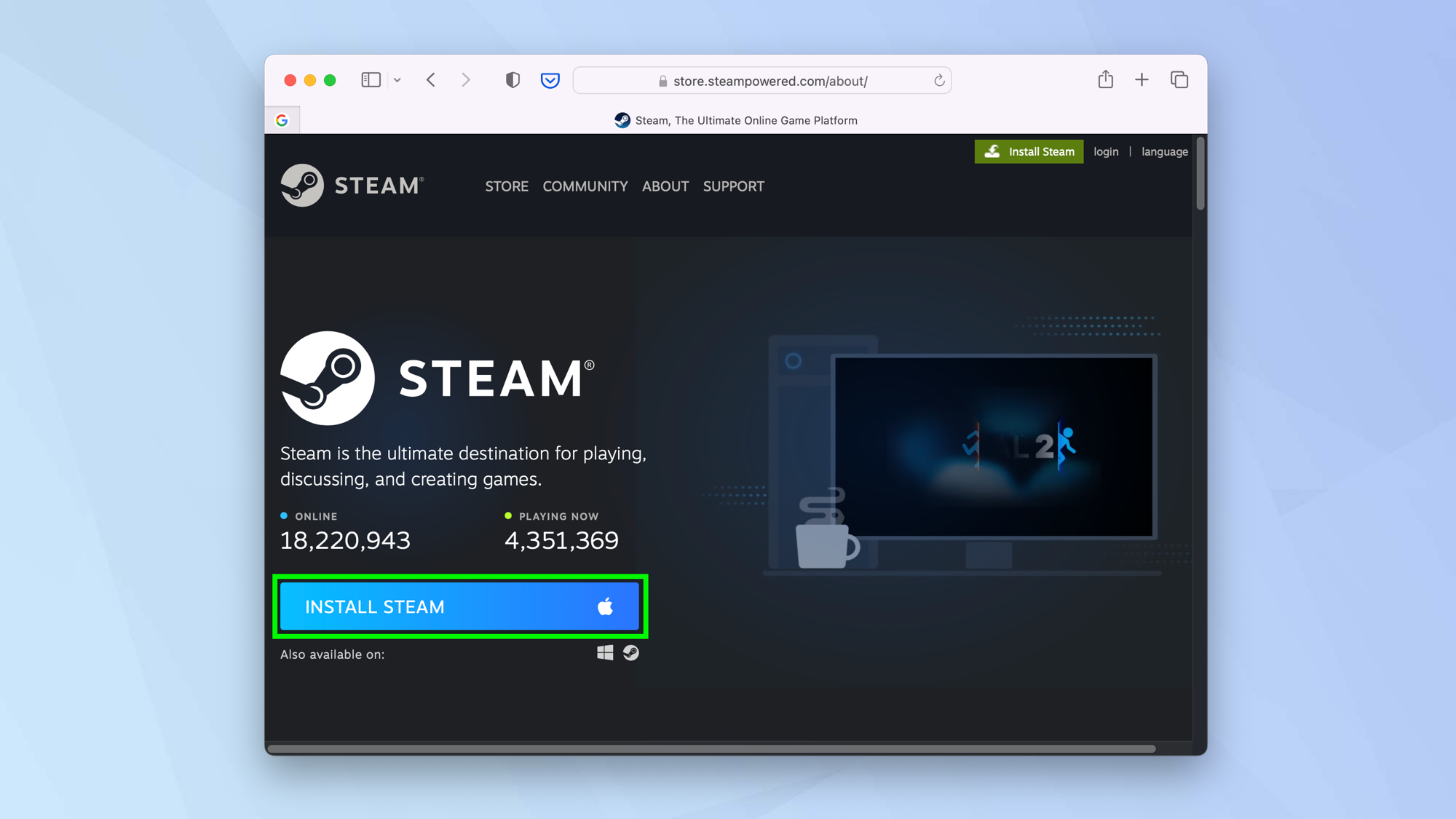

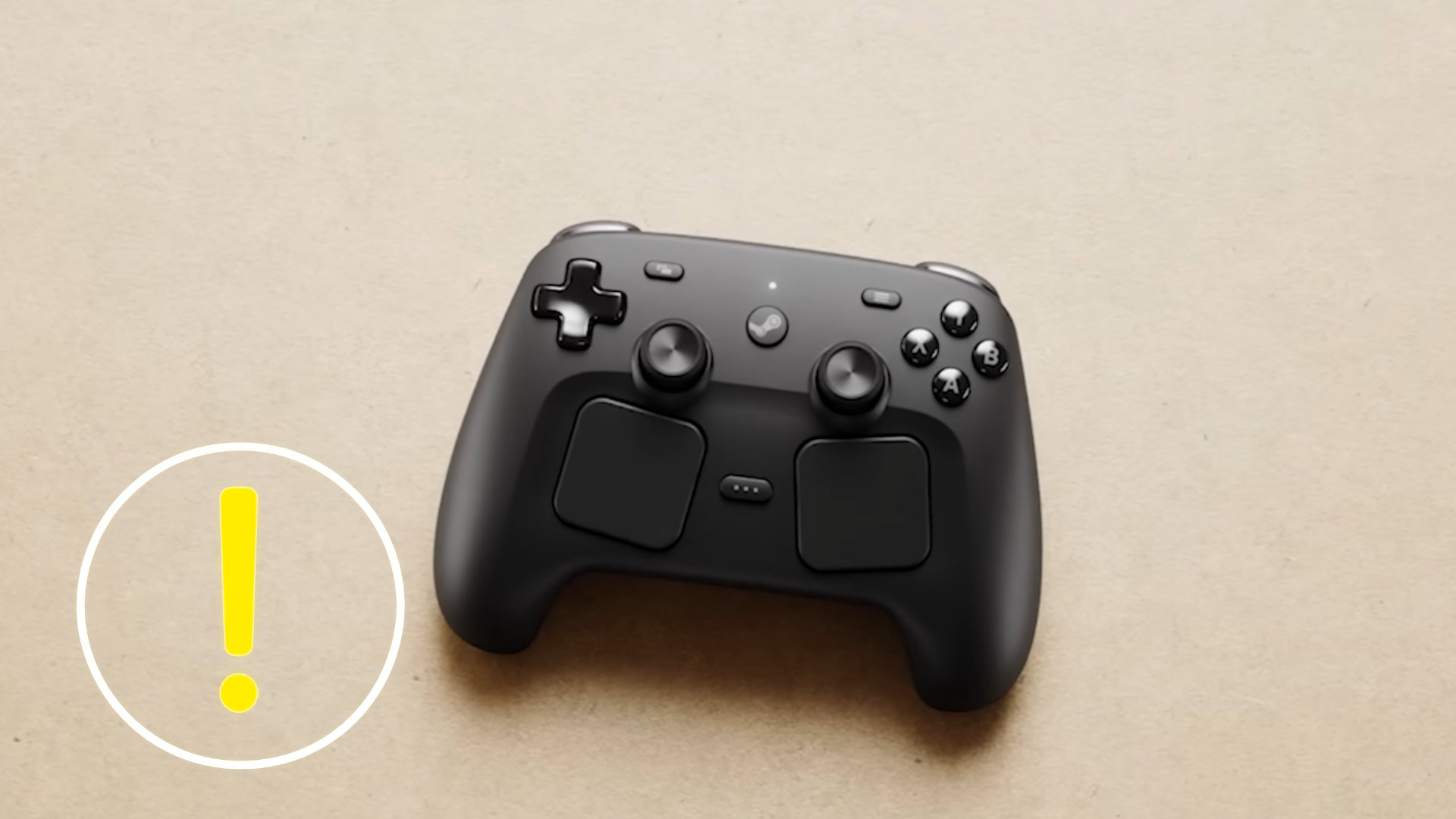
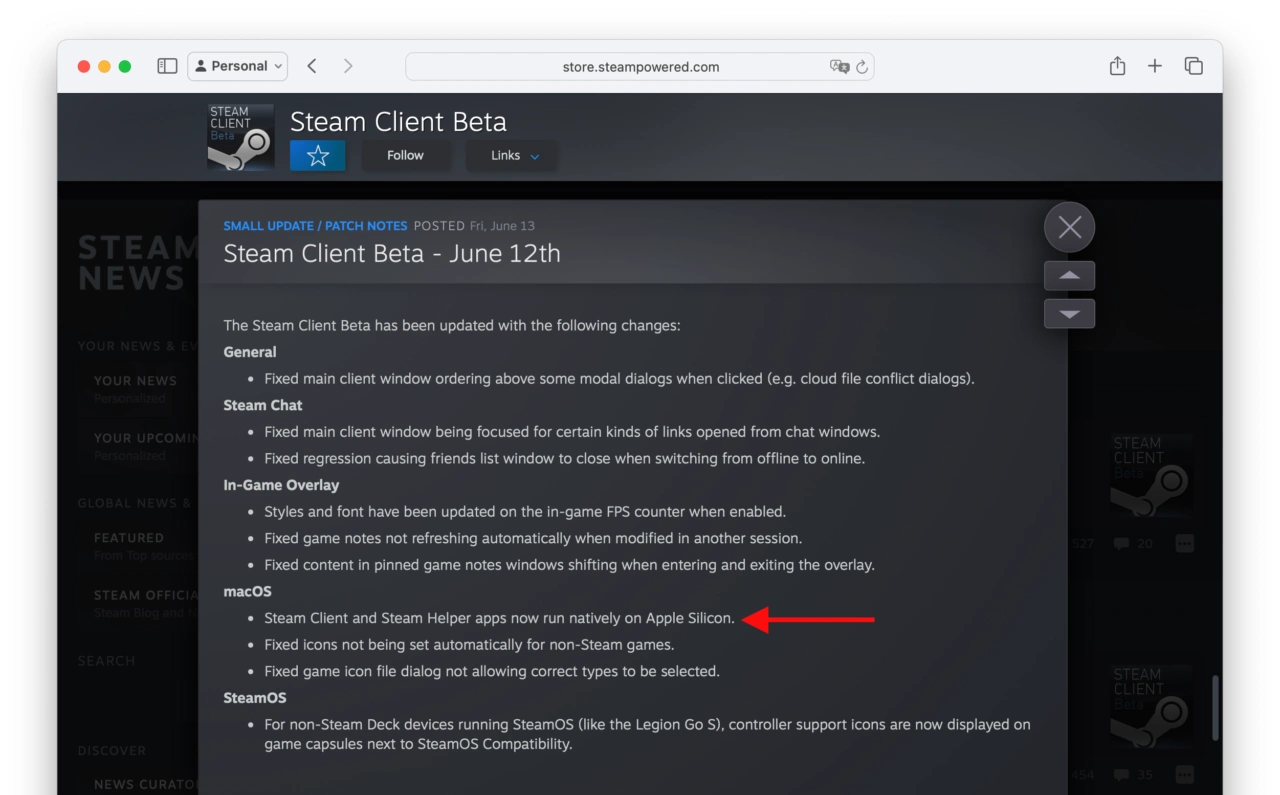
Steam For Mac Steam Helper Apple Silicon Steam Steam Client For Mac Now Run Natively On Apple Silicon Features 3.webp. How To Install Steam On Mac Tom S Guide . How To Download And Install Steam Games On An Apple Mac Using Steam On MacOS 2 . Steam Controller 2026 Release Specs Features And S4G Steam Controller 2026 1 . Steam For Mac Steam Helper Apple Silicon Steam Steam Client For Mac Now Run Natively On Apple Silicon Features 4.webp

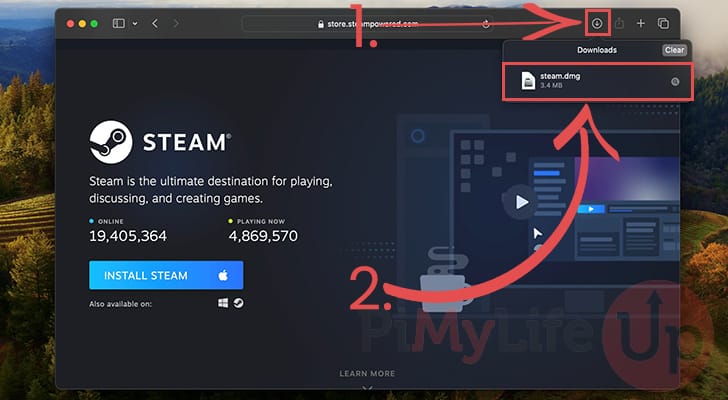
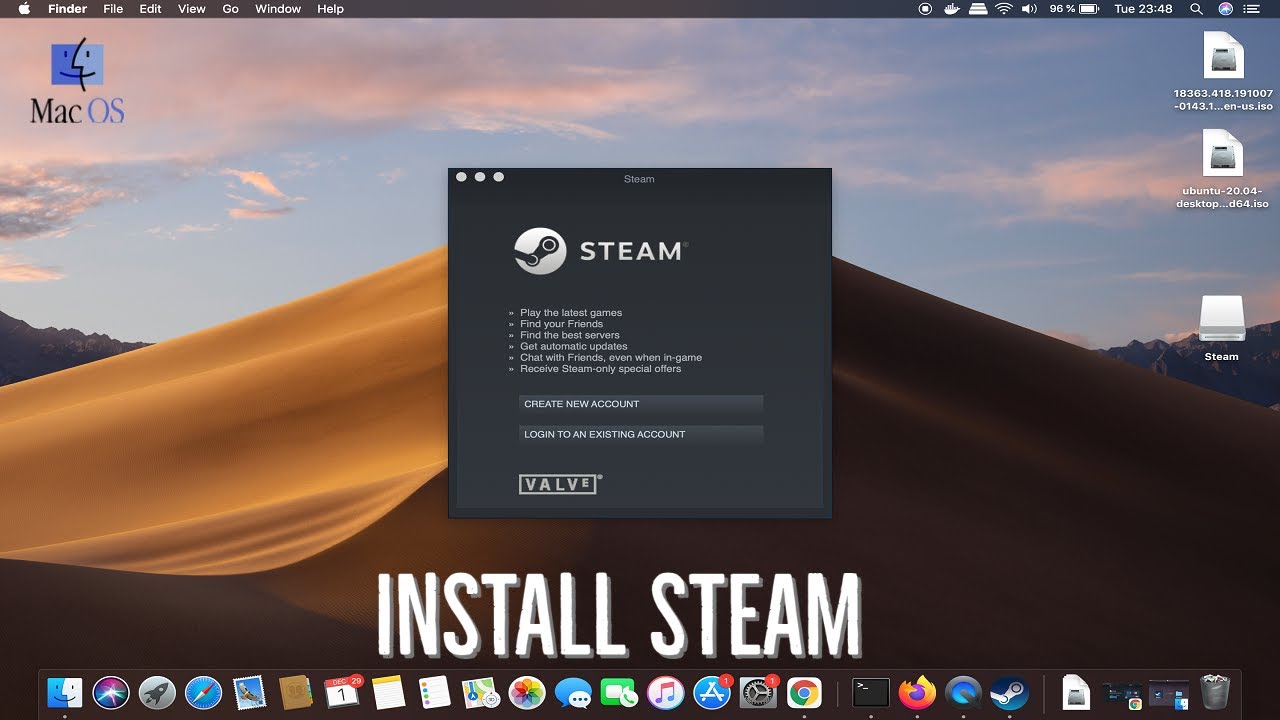
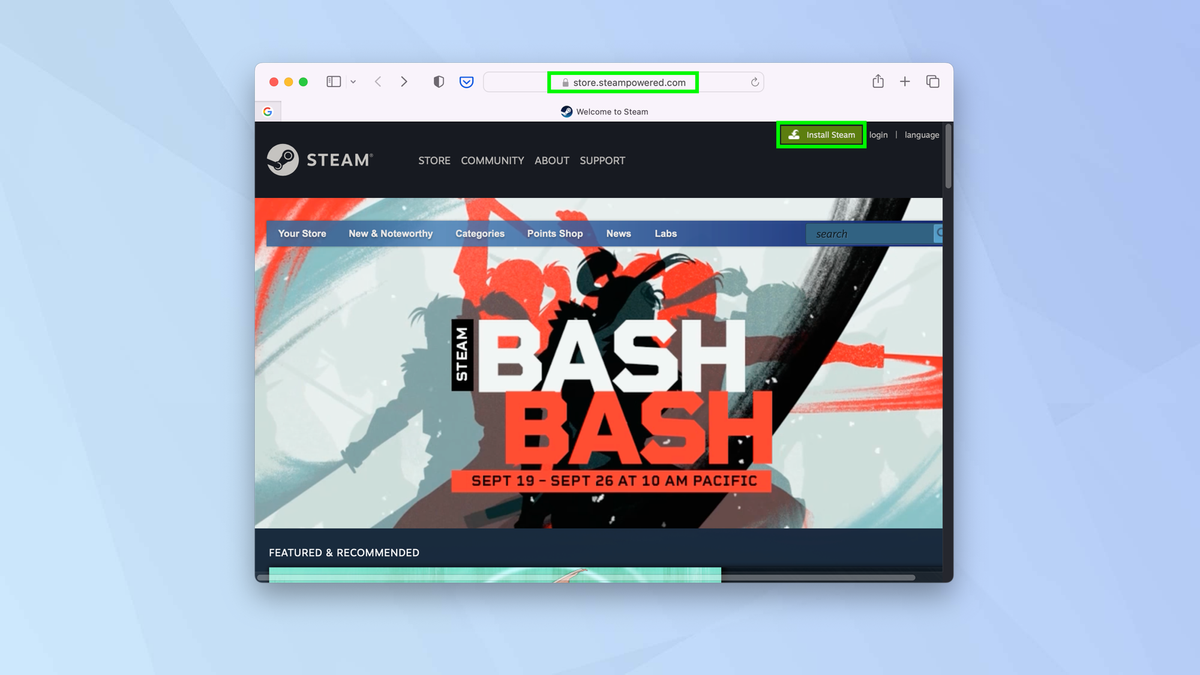
How To Use Steam On Mac To Download Install And Play Games Macworld How To Use Steam Mac 7 Filter 1280 . Installing Steam On A Mac Pi My Life Up Installing Steam On Mac 04 Begin Steam . How To Install Steam On Mac YouTube . How To Install Steam On Mac Tom S Guide 1200 80 . How To Install Steam On Mac Tom S Guide 320 80


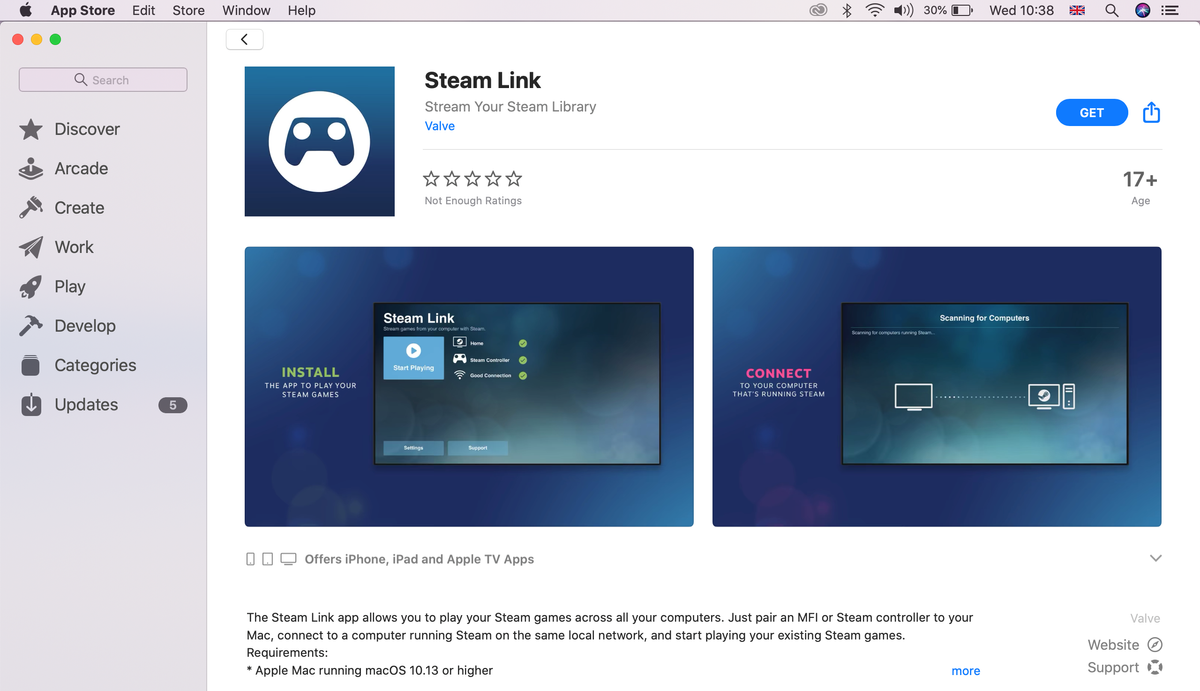
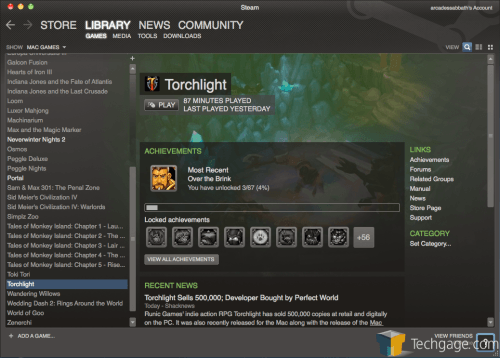

How To Download Steam Games On A Mac Using Steam On MacOS 5 . How To Download Steam Games On A Mac Using Steam On MacOS 8 . MacBook Gaming Just Got A Killer Upgrade With Steam Link Here S How 1200 80 . A Look At Valve S Mac Steam Client Techgage Steam For Mac 02 Thumb . Valve Quietly Releases Steam Client On MacOS What Are The Valve Quietly Releases Steam Client Macos What Are Before Running It
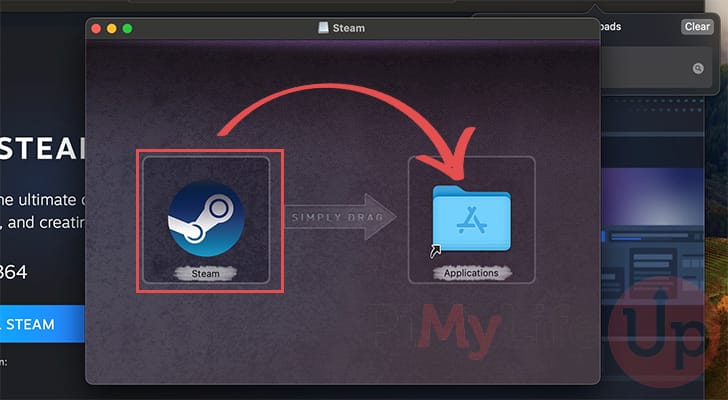

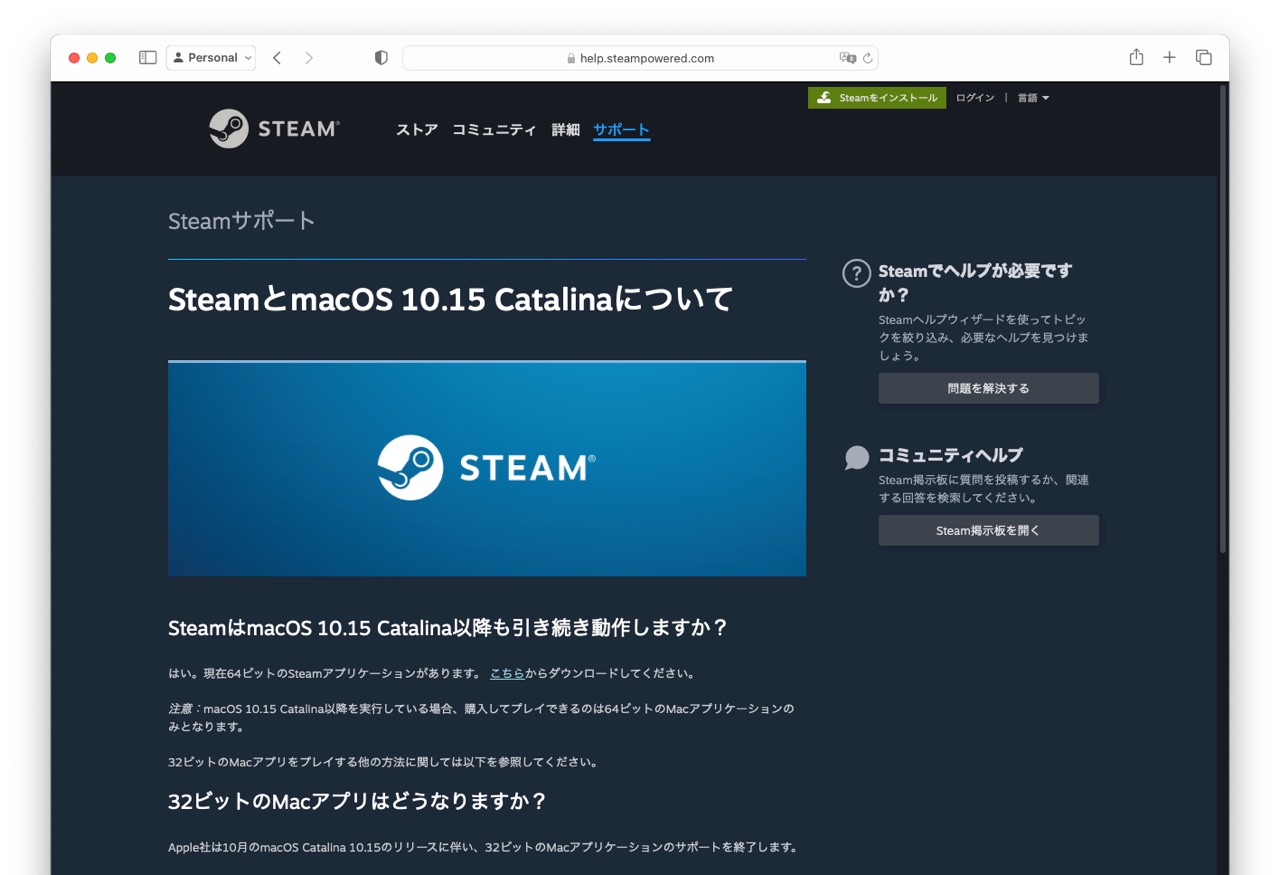
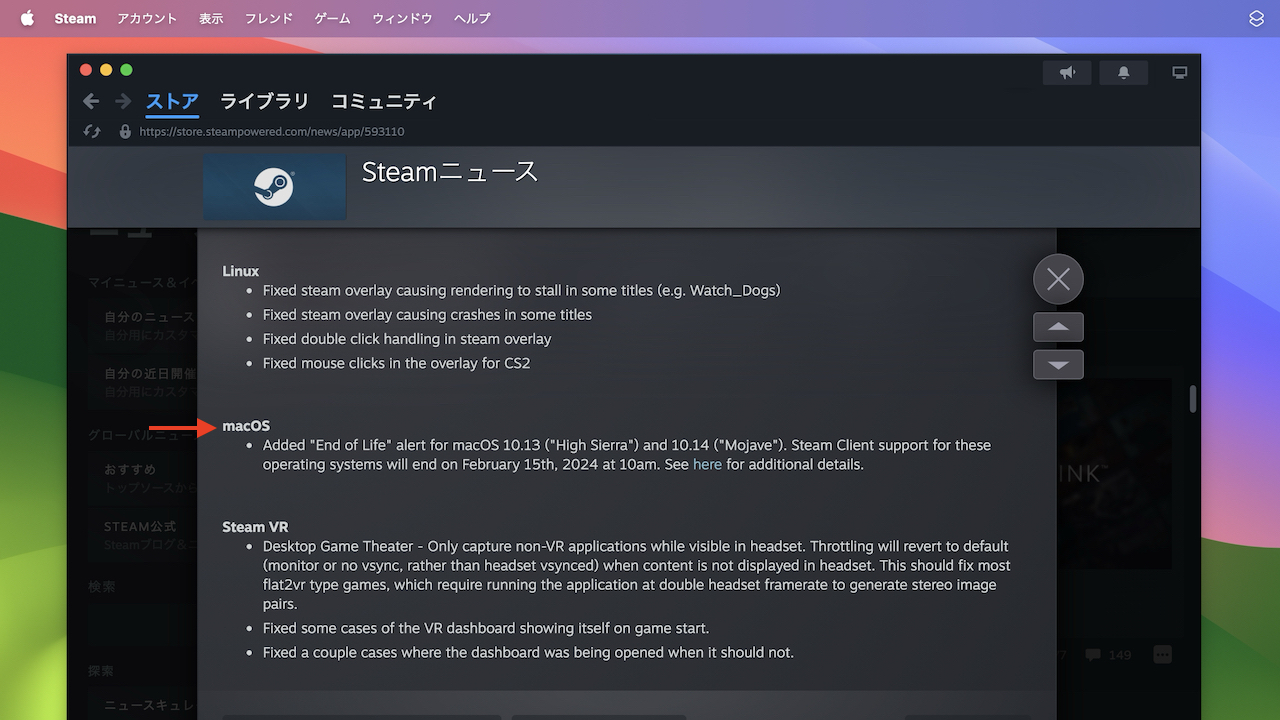
Installing Steam On A Mac Pi My Life Up Installing Steam On Mac 05 Drag Steam Into . Steam App For MacOS Gets Hardware For Faster Performance Steam Mobile App Cover . Steam Beta Client For MacOS Now Available IPhone In Canada Steam Client Beta Mac . Valve MacOS 10 13 High Sierra MacOS 10 14 Mojave Steam Client About Steam And MacOS 10 15 Catalina 32 Bit Game . Valve MacOS 10 13 High Sierra MacOS 10 14 Mojave Steam Client Steam Client For Mac Nov 2023 Update
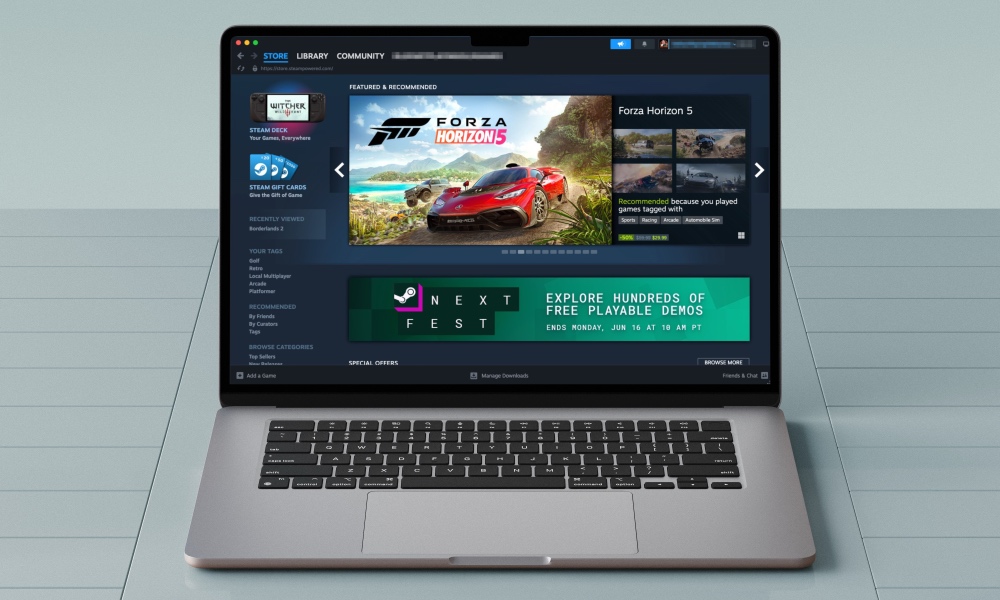

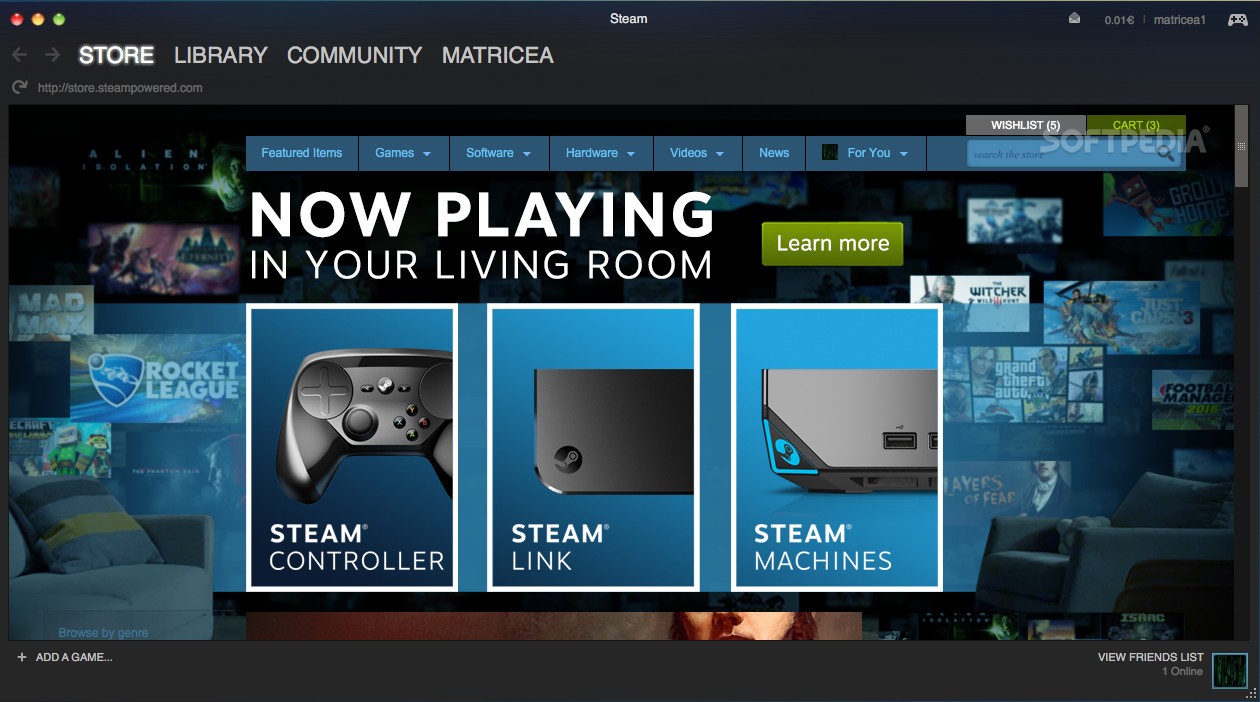
MacOS 26 Tahoe Announced At WWDC 2025 With New Design And Features Finder 2048x1332 . Steam Will Soon Drop Support For MacOS 11 Big Sur Macbook Air Steam . Steam Will Drop MacOS 10 13 And 10 14 Support In February 2024 Neowin 1701342735 Steam Macos Story . New Steam Client Stable Update Adds Big Picture To SteamOS New Steam Client Stable Update Adds Big Picture For Steamos And Osx 496001 2 . How To Install Steam On Mac Tom S Guide 1200 80


Download Steam Free For Windows MacOS Android APK IOS And Linux Steam 3xEUZX . How To Download Steam On Mac In 2025 A Step By Step Guide Fossbytes Steam Download 3 300x211 . Steam Ends Support For MacOS Big Sur On October 15 Clean Install MacOS Tahoe . How To Use Steam On Mac To Download Install And Play Games Macworld How To Use Steam Mac 8 Install 1280