Are you ready to transform your gaming setup into a "steam engine desktop"? This guide delves into everything needed to build, optimize, and maintain a powerful PC that runs with unwavering efficiency and breathtaking aesthetics. We explore settings optimization for peak FPS, crucial driver updates to eliminate stuttering, and advanced cooling strategies to maintain low temperatures. Discover how to combat ping spikes and lag, ensuring a silky-smooth gaming experience across all genres, from competitive FPS titles to immersive RPGs and demanding MMOs. Learn about the latest 2026 hardware and software innovations designed to push your system's performance limits. Whether you crave a visually stunning steampunk-themed build or simply desire a machine that performs like a perfectly tuned engine, this resource offers comprehensive tips and tricks. Unlock your PC's full potential and ensure every gaming session is an absolute triumph. Get ready to game without compromise.
Welcome to the ultimate living FAQ for "steam engine desktop" in 2026! This comprehensive guide is updated for the latest hardware, software, and optimization techniques. We've scoured forums, benchmark reports, and community discussions to bring you over 50 of the most asked questions, covering everything from beginner tips to advanced builds, common bugs, and endgame optimization strategies. Get ready to supercharge your gaming experience and leave no question unanswered as we dive deep into the world of high-performance, aesthetically stunning PC setups. Let's get your "steam engine desktop" running like never before!
Beginner Questions
What exactly is a "steam engine desktop"?
A "steam engine desktop" refers to either a PC aesthetically designed with steampunk elements or a powerful, highly optimized gaming rig that runs with exceptional efficiency and reliability, much like a well-tuned engine. It emphasizes performance stability and often a unique visual theme.
How important is cooling for a high-performance PC?
Cooling is paramount for a high-performance PC. Efficient cooling prevents thermal throttling, which can drastically reduce FPS and lead to stuttering. Proper cooling ensures your CPU and GPU operate at their peak clock speeds, extending component lifespan.
What is FPS and why does it matter in games?
FPS stands for Frames Per Second, indicating how many unique images your graphics card can render per second. Higher FPS provides a smoother, more responsive gaming experience, which is crucial for competitive titles like FPS and MOBA games.
Should I use Wi-Fi or Ethernet for gaming?
Always choose a wired Ethernet connection for gaming if possible. Ethernet provides lower ping, more stable connectivity, and significantly reduces the chance of lag spikes compared to Wi-Fi, which can suffer from interference and latency.
Performance Optimization
How do I fix FPS drops and stuttering in games?
To fix FPS drops and stuttering, first ensure all drivers (GPU, chipset, network) are updated. Monitor temperatures to rule out thermal throttling. Adjust in-game settings to a balanced level, and close unnecessary background applications. Consider a clean OS install if issues persist.
What is Ping and how can I reduce it?
Ping measures the time it takes for data to travel from your computer to the game server and back. To reduce ping, use a wired connection, ensure a stable internet service, close bandwidth-heavy applications, and choose game servers geographically closer to you. A good router helps significantly.
Myth vs Reality: Does RGB lighting improve FPS?
Myth: RGB lighting does not directly improve FPS or PC performance. Reality: While RGB adds aesthetic flair and can create an immersive environment, it has no impact on frame rates or processing power. It's purely cosmetic.
How often should I update my graphics drivers?
Update your graphics drivers regularly, especially when new game titles are released or if you encounter performance issues. Check manufacturer websites (NVIDIA, AMD) monthly, but avoid updating just for the sake of it if your system is stable.
Customization & Aesthetics
How can I achieve a steampunk aesthetic for my PC?
Achieving a steampunk aesthetic involves custom case modifications, such as adding brass fittings, copper piping, exposed gears, and intricate details. Utilize wood panels, custom lighting, and vintage-style gauges to complete the look. Planning and craftsmanship are key.
What are the best cases for a custom "steam engine" build?
The best cases are often those with ample internal space for custom modifications, good airflow, and a neutral design that can be easily customized. Cases with large window panels showcase internal details effectively. Look for models supporting custom liquid cooling. Open-air cases are also popular.
Maintenance & Longevity
How often should I clean my PC?
You should clean your PC every 3-6 months to prevent dust buildup. Dust accumulates in fans, heatsinks, and vents, impeding airflow and causing components to overheat. Use compressed air and anti-static wipes for thorough cleaning.
Myth vs Reality: Leaving your PC on 24/7 is bad for it.
Myth: Leaving your PC on 24/7 causes significant wear and tear. Reality: Modern components are designed for continuous operation. Frequent power cycling can sometimes be more stressful than continuous running. Energy consumption is the primary concern, not component damage.
Connectivity & Peripherals
What type of monitor is best for competitive gaming in 2026?
For competitive gaming in 2026, prioritize a high refresh rate monitor (144Hz+) with a low response time (1ms or less). G-Sync or FreeSync compatibility is essential for tear-free gameplay. A smaller screen size (24-27 inches) with a 1440p resolution is often preferred for clarity and speed.
Myth vs Reality: Expensive gaming peripherals offer a massive advantage.
Myth: Expensive peripherals guarantee a massive skill advantage. Reality: While high-quality gaming mice, mechanical keyboards, and headsets offer comfort, precision, and durability, they provide marginal advantages over mid-range options. Skill and practice remain far more critical.
Troubleshooting Common Issues
My PC suddenly crashes during intense gaming, what's wrong?
Sudden crashes during intense gaming often point to overheating CPU or GPU, an unstable power supply, or faulty RAM. Monitor temperatures, test your PSU, and run memory diagnostics. Driver issues or corrupted game files can also be culprits.
Myth vs Reality: You need to defrag SSDs regularly.
Myth: SSDs require regular defragmentation. Reality: Defragmenting an SSD is unnecessary and can reduce its lifespan. SSDs work differently from HDDs; their data access is instant regardless of fragmentation. Most operating systems automatically handle TRIM for SSD health.
Future Trends & Innovations
What are the upcoming trends in PC cooling technology for 2026?
Upcoming PC cooling trends include more efficient micro-channel liquid cooling, phase change cooling for extreme overclocking, and even integrated solid-state cooling solutions within components. Expect smarter, quieter fans and advanced thermal pastes to become standard.
How will AI advancements impact gaming PCs in the next few years?
AI advancements will profoundly impact gaming PCs by enhancing graphics (AI upscaling), enabling more realistic and dynamic NPCs, and powering procedural content generation. Dedicated AI accelerators (NPUs) on CPUs and GPUs will offload these tasks, boosting overall performance.
Myth vs Reality
Myth vs Reality: More RAM always means better gaming performance.
Myth: Doubling your RAM will significantly boost gaming performance. Reality: While insufficient RAM (e.g., 8GB) can bottleneck performance, increasing RAM beyond 16GB or 32GB typically yields diminishing returns for most games. Speed and latency of RAM are often more important than sheer capacity past a certain point.
Myth vs Reality: Building your own PC is always cheaper than buying pre-built.
Myth: Building your own PC is always cheaper. Reality: While often true, especially for custom or high-end builds, pre-built PCs can sometimes be cheaper, especially during sales or for entry-level systems. Component sourcing and current market prices heavily influence cost-effectiveness.
Advanced Setups & Builds
What is a dual-PC streaming setup and is it worth it?
A dual-PC streaming setup uses one PC for gaming and another for encoding and streaming. It is worth it for professional streamers who need uncompromised gaming performance and high-quality streams, as it offloads the demanding encoding task from the gaming machine.
What are the benefits of an ultrawide monitor for gaming?
Ultrawide monitors offer an incredibly immersive gaming experience with a wider field of view, making titles feel more expansive. They are excellent for RPGs, racing games, and simulators. However, not all games fully support ultrawide aspect ratios, leading to black bars.
Buying Guide & Recommendations
What factors should I consider when buying a gaming keyboard?
When buying a gaming keyboard, consider switch type (mechanical for responsiveness, membrane for quiet), form factor (full-size, TKL, 60%), key rollover and anti-ghosting features, and build quality. RGB lighting and programmable macros are additional considerations for customization.
What CPU and GPU combination is best for 4K gaming in 2026?
For optimal 4K gaming in 2026, a top-tier CPU like an Intel Core i9 or AMD Ryzen 9 from the latest generation should be paired with a flagship GPU, such as an NVIDIA RTX 60-series or AMD Radeon RX 9000-series. This combination provides the raw power needed for demanding resolutions.
Still have questions about your "steam engine desktop"? Don't hesitate to dive into our related guides like "Ultimate Settings Optimization for 2026 Games" or "Mastering Low Latency: Your Ping Reduction Handbook" to fine-tune your setup even further!
Are you ready to transform your gaming rig into an absolute mechanical marvel? Many gamers ask, "How can I make my PC run like a perfectly tuned machine?" Well, in 2026, the concept of a "steam engine desktop" goes far beyond mere aesthetics. It represents the pinnacle of PC optimization, performance, and custom design. We are talking about a system that delivers consistent, high-fidelity gaming without a single stutter or lag spike. Imagine the smooth, relentless power of a classic steam engine, translated into your modern gaming experience. This comprehensive guide will help you build and fine-tune such a formidable setup.
Unleashing the Mechanical Beast: What is a Steam Engine Desktop?
A "steam engine desktop" in the modern gaming lexicon signifies two things. First, it can refer to a PC build with a distinct steampunk aesthetic, incorporating elements like brass, copper, gears, and intricate piping. These are often custom-built, showcasing incredible craftsmanship and attention to detail. Second, and perhaps more crucially for performance enthusiasts, it describes a gaming PC so meticulously optimized and powerful that it operates with the silent, unwavering efficiency of a perfectly engineered machine. It’s about achieving maximum FPS, minimal ping, and absolute reliability under intense loads. We aim for a build that not only looks impressive but also performs flawlessly.
Beyond Aesthetics: The Performance Core
At its heart, a true "steam engine desktop" is built on a foundation of cutting-edge hardware. This includes the latest CPUs from Intel and AMD, along with next-generation GPUs from NVIDIA and Radeon. In 2026, these components offer unparalleled processing power and graphical fidelity. Pairing these with ultra-fast NVMe SSDs and ample high-speed RAM is essential for swift load times and seamless multitasking. Every component is chosen for its synergy, ensuring the entire system works harmoniously to eliminate any bottlenecks. This rigorous selection process guarantees a responsive and powerful gaming experience for any title, from the most demanding RPGs to the fastest Battle Royale games.
Optimizing Your Rig for Peak Steam Power
Achieving that coveted "steam engine desktop" performance requires more than just premium hardware. Software optimization and system maintenance are equally vital. Think of it as the coal and water that fuel your mechanical beast.
Settings Optimization: Tuning the Gears
Dialing in your game settings is the first crucial step to boosting FPS and eliminating stuttering. Many modern games offer extensive graphical options, and understanding each one can significantly impact performance. We recommend starting with a balanced approach, then incrementally increasing settings for visuals or performance. Experimenting with resolution scaling and anti-aliasing can yield noticeable improvements. Always prioritize frame rate stability over minor visual enhancements. A consistent 120 FPS is often more enjoyable than an inconsistent 144 FPS with frequent drops. Lowering shadows and volumetric effects can provide significant FPS gains. Enabling NVIDIA DLSS 4.0 or AMD FSR 3.0, if available, provides an intelligent upscaling solution that maintains visual quality while dramatically improving frame rates. This is a game-changer for many high-end titles.
- Adjust resolution scaling for a sharper image at optimal performance.
- Prioritize frame rate consistency over maximum graphical fidelity.
- Disable unnecessary background applications eating up system resources.
- Utilize in-game benchmark tools to find your system's sweet spot.
- Consider a refresh rate matching display for smoother visuals.
Driver Dominance: Keeping Your Engine Primed
Outdated drivers are often the silent culprits behind FPS drops and system instability. Your graphics card, chipset, and network adapters all rely on up-to-date drivers for optimal functionality. Regularly checking for and installing the latest drivers from your component manufacturers is non-negotiable. NVIDIA's Game Ready Drivers and AMD's Adrenalin Software are specifically optimized for new game releases, often providing significant performance boosts and bug fixes. Don't forget your audio and peripheral drivers either; sometimes, even a faulty USB driver can cause unexpected issues. Keeping your operating system updated is also a key factor in maintaining system health and security. This routine maintenance is like ensuring every gear is perfectly lubricated and turning smoothly.
Combating Lag and Stutter: Smooth Operations
Lag and stuttering can ruin an otherwise perfect gaming session. Addressing ping issues requires a stable internet connection and sometimes, specific network optimizations. Using a wired Ethernet connection instead of Wi-Fi is a simple yet incredibly effective solution. Ensure your router's firmware is updated and consider Quality of Service (QoS) settings to prioritize gaming traffic. For FPS drop and stuttering fix, beyond driver updates, monitor your system temperatures. Overheating components will throttle performance to prevent damage. Investing in a good cooling solution—whether it's air cooling, an AIO liquid cooler, or even a custom loop—is paramount. Regularly clean your PC to remove dust buildup, which can impede airflow. These steps are crucial for maintaining the relentless, smooth operation expected of a "steam engine desktop" setup, especially in competitive MOBA or FPS scenarios.
The Engineer's Workbench: Advanced Builds and Customization
For the truly dedicated, a "steam engine desktop" can also be a canvas for advanced customization and performance tuning. This moves beyond basic optimization into the realm of bespoke engineering.
Crafting Your Steam-Powered Aesthetic
If the visual "steam engine" appeal is your goal, then custom PC modding is your next adventure. This can involve custom cases, brass fittings, exposed tubing, and even functional gears. Many modders utilize 3D printing and CNC machining to create unique components that perfectly fit their vision. RGB lighting can be used to mimic the glow of a furnace or the gentle pulse of an engine. The level of detail here can be astonishing, turning your gaming PC into a true work of art. Planning is key, and gathering inspiration from other professional builds can provide a great starting point. This is where your desktop becomes a showpiece.
Pro-Level Overclocking and Cooling
Pushing your components beyond their factory settings through overclocking can unlock significant performance gains. However, this is an advanced technique requiring careful monitoring and robust cooling. CPUs and GPUs can both be overclocked, but it demands a deep understanding of voltage, frequencies, and thermal limits. Custom liquid cooling loops offer the best thermal performance, allowing for higher stable overclocks and quieter operation. They are complex to install but provide unparalleled efficiency. For casual gamers, this might be overkill, but for competitive pros or benchmark chasers, it's an essential part of squeezing every last drop of performance from their machine. Always proceed with caution and research thoroughly when overclocking.
Common Pitfalls: Don't Let Your Engine Overheat
Even the most powerful "steam engine desktop" can fall victim to common mistakes. The biggest pitfall is neglecting thermal management. Overheating components will drastically reduce performance and shorten hardware lifespan. Skimping on power supply units (PSUs) is another error; an underpowered or unreliable PSU can lead to instability and component damage. Another frequent issue is neglecting proper cable management. Good cable routing improves airflow, making cooling more effective and your system tidier. Always invest in quality components and perform regular maintenance. A well-cared-for machine will serve you faithfully for years.
Alright team, let's dive into some of the deeper questions about building and optimizing these incredible "steam engine desktops." I know it can feel like a lot to take in, but we're going to break it down. Think of me as your personal AI engineering mentor, here to help you navigate the complexities of 2026's tech landscape. We're going to tackle everything from the basics to some seriously advanced concepts. You've got this!
Beginner / Core Concepts
- Q: What exactly is a "steam engine desktop" in 2026, beyond just aesthetics?
A:I get why this term can be a bit confusing. In 2026, when we talk about a "steam engine desktop," it’s often a powerful gaming or workstation PC meticulously optimized for consistent, high performance. Beyond the obvious steampunk aesthetic builds, it implies a system that runs with incredible efficiency and reliability, much like a finely tuned historical steam engine. We’re aiming for robust power delivery and minimal downtime. Think about achieving peak performance with unwavering stability. This means focusing on superior components, optimized software, and excellent thermal management. You've definitely got the right idea by asking what's under the hood!
- Q: How do I start planning my first "steam engine desktop" build?
A:This one used to trip me up too, so don't feel alone! The best way to start is by defining your primary use case. Are you focused purely on gaming, or do you need it for heavy productivity tasks like video editing? Then, set a realistic budget, because these builds can get luxurious! Research compatible components like your CPU, GPU, motherboard, and RAM. Don't forget to consider cooling solutions early on. Think about the form factor you prefer. Planning ahead saves you so much headache down the line. Remember, every great machine starts with a solid blueprint. You're on your way!
- Q: What are the most critical components for high performance in 2026?
A:For sure, the CPU and GPU are your heavy hitters, no surprise there. In 2026, we’re seeing incredible advancements with integrated AI accelerators directly on these chips, offering unprecedented processing power. However, don't overlook your storage and RAM; fast NVMe Gen 5 SSDs and DDR5 or even early DDR6 RAM are essential for quick loading and smooth multitasking. A robust power supply unit (PSU) with plenty of headroom is also key to stable performance and future upgrades. Think of it like the heart and lungs of your machine – they need to be strong and efficient. You've got this!
- Q: Is a custom liquid cooling loop necessary for a "steam engine desktop"?
A:That's a fantastic question, and one many new builders wrestle with! A custom liquid cooling loop isn't *strictly* necessary for everyone, especially if you're not planning extreme overclocking. High-quality air coolers or All-In-One (AIO) liquid coolers can handle most high-end CPUs perfectly fine. However, for that ultimate quiet operation, maximum thermal headroom, and especially for a striking aesthetic that truly embodies the "steam engine" look, a custom loop is a phenomenal upgrade. It's an investment, but it offers unparalleled cooling potential and visual flair. Weigh your budget and performance goals carefully here. You'll make the right call!
Intermediate / Practical & Production
- Q: How can I minimize input lag for competitive gaming in 2026?
A:Input lag reduction is crucial for competitive play, absolutely! Beyond a high refresh rate monitor and gaming mouse, focus on your network connection first; a wired Ethernet connection is paramount. In 2026, ensure your operating system has the latest low-latency network stack optimizations, sometimes found in specific gaming-focused Windows builds or Linux distributions. Disable all unnecessary background processes and applications that could be consuming CPU cycles or network bandwidth. Optimize your GPU settings in its control panel for "low latency mode" or similar options. Using a mechanical keyboard with fast response times also contributes. Every millisecond counts, and small gains add up! Try these tomorrow and let me know how it goes.
- Q: What are the best practices for driver updates to avoid system instability?
A:This one used to trip me up too, I know the pain! The best practice is to always download drivers directly from the manufacturer's official website (NVIDIA, AMD, Intel, motherboard vendor). Avoid generic driver update utilities; they can sometimes cause more harm than good. Before installing a major graphics driver update, it's wise to use a tool like Display Driver Uninstaller (DDU) to clean out old driver remnants, especially when switching GPU brands. Always create a system restore point before a major driver installation. Don't update drivers just for the sake of it, wait for performance benefits or bug fixes relevant to your games. Patience and caution are your best friends here. You've got this!
- Q: How do I troubleshoot persistent FPS drops and micro-stuttering?
A:Ugh, persistent stuttering is the absolute worst, I feel your frustration! First, monitor your CPU, GPU, and RAM usage along with temperatures during gameplay using tools like HWMonitor or MSI Afterburner. Look for any spikes or thermal throttling. Next, check for background applications consuming resources – often, it's a rogue update or antivirus scan. Run a clean boot to identify software conflicts. Update all drivers, not just your GPU. Consider doing a fresh install of your game. Sometimes, corrupted game files are the culprit. If all else fails, a fresh OS install can be a powerful reset button, but that's a last resort. Keep an eye on those metrics! You'll get to the bottom of it.
- Q: Are there any specific OS optimizations for a "steam engine desktop" in 2026?
A:Absolutely! Beyond standard driver updates, 2026 operating systems offer deeper optimizations. Windows 12, for instance, has advanced Game Mode features that intelligently prioritize system resources for active gaming sessions, reducing background interference. Ensure it's enabled and configured correctly. For power users, disabling unnecessary visual effects and background services through the services manager can free up valuable CPU cycles and RAM. Some advanced users even tweak registry settings, though this requires caution. Keep your OS lean, clean, and specifically tuned for performance. It makes a surprising difference! You've got this, experiment safely.
- Q: How important is network hardware for optimal online gaming performance?
A:This is critically important, and often overlooked! Your network hardware is the backbone of your online gaming experience. A high-quality router with Wi-Fi 7 (802.11be) support is excellent for wireless, but a direct Gigabit Ethernet connection remains king for lowest ping and stability. Make sure your network adapter (built into your motherboard or a dedicated PCIe card) is also high-quality and has up-to-date drivers. Some gaming routers offer QoS (Quality of Service) features that allow you to prioritize game traffic over other network activities. Don't let a cheap router bottleneck your otherwise powerful system. Invest wisely here, it truly pays off! Try checking your router settings tonight.
- Q: What considerations are there for future-proofing a "steam engine desktop"?
A:Future-proofing is a smart move, but let's be realistic: true future-proofing is tough in tech! However, you can make intelligent choices. Invest in a motherboard with the latest PCIe Gen 5 slots for GPUs and NVMe drives, ensuring compatibility with future generations. A power supply with significantly more wattage than you currently need (e.g., 1000W+ for a high-end build) provides headroom for GPU upgrades. Opt for a CPU platform that's still relatively new, allowing for potential CPU swaps within the same socket generation. Don't cheap out on your case, as a good one can last through multiple builds. These choices extend your system's relevance. You've got this, think long term!
Advanced / Research & Frontier 2026
- Q: What role do AI co-processors play in 2026 gaming performance?
A:This is a fascinating and rapidly evolving area! In 2026, AI co-processors (like those integrated into Intel's Lunar Lake or AMD's Strix Point APUs, and dedicated NPUs on high-end GPUs) are becoming increasingly vital. They handle tasks like intelligent upscaling (DLSS, FSR), advanced physics calculations, and even real-time content generation within games. This offloads work from the main CPU cores, freeing them for core game logic and significantly boosting overall performance and efficiency. Expect more games to leverage these AI units for smarter NPCs, more realistic environments, and deeper immersion. It's not just a buzzword anymore, it's performance architecture. This is frontier stuff!
- Q: How does next-gen memory technology (e.g., DDR6) impact game development and performance?
A:Fantastic question, we're on the bleeding edge here! DDR6, while not fully mainstream in 2026, is pushing memory bandwidth to unprecedented levels. This means game engines can load larger textures and complex world data much faster, virtually eliminating loading screens and enabling incredibly detailed environments without compromise. Developers can create more expansive, dynamic worlds because data can be accessed and processed almost instantly. For gamers, this translates to smoother frame rates, reduced stuttering in open-world games, and a more responsive overall experience. It's a foundational shift allowing for truly next-generation visuals and gameplay fluidity. Keep an eye on this tech! You're ahead of the curve.
- Q: What are the implications of full ray tracing and path tracing for "steam engine desktop" builds?
A:Oh, this is where things get seriously demanding, but also incredibly beautiful! Full ray tracing (or path tracing) simulates light in a physically accurate way, rendering reflections, refractions, and global illumination with breathtaking realism. The implication for "steam engine desktop" builds is simple: you need *immense* GPU power. We're talking top-tier NVIDIA RTX 60-series or AMD Radeon RX 9000-series cards, often requiring advanced cooling and robust power delivery. AI upscaling technologies like DLSS 4.0 are absolutely critical to achieve playable frame rates with these demanding graphical settings. It's the ultimate visual fidelity, but it pushes hardware to its absolute limit. This is where your "steam engine" truly flexes its muscles! You've got this ambition!
- Q: Can a custom "steam engine desktop" be optimized for specific game engine architectures (e.g., Unreal Engine 6, Unity 2026)?
A:That's a very advanced line of thinking, and yes, to a degree, you absolutely can! While you can't fundamentally change the hardware, you can optimize software and drivers for specific engine quirks. Some engines, like Unreal Engine 6, might benefit more from higher core count CPUs, while others might be more GPU-bound. Monitoring tools are key here; observe which components are bottlenecking in your favorite engine. Sometimes, specific driver profiles are released by GPU manufacturers for popular engines. You might also allocate more resources or adjust virtual memory settings if an engine is particularly RAM-hungry. It's about fine-tuning for the specific demands of your preferred digital playgrounds. Impressive thinking! You're really digging deep.
- Q: What are the emerging trends for sustainable and eco-friendly "steam engine desktop" builds in 2026?
A:I love this question, it's something we should all be thinking about! In 2026, we're seeing a strong push towards more sustainable computing. This includes using components with higher power efficiency ratings (like 80 Plus Platinum PSUs), opting for modular designs that reduce waste, and considering manufacturers with strong recycling programs. Some innovators are even exploring passively cooled systems or integrating renewable energy sources. Software optimization plays a role too, by reducing unnecessary power draw. It's about building powerful systems responsibly, considering both performance and our planet. This is a frontier that truly matters. You're thinking big picture, and that's fantastic!
Quick 2026 Human-Friendly Cheat-Sheet for This Topic
Always go for a wired Ethernet connection for online gaming; it's a game-changer for ping!
Keep your drivers updated, but always grab them directly from the manufacturer's official sites.
Good cooling is non-negotiable! High temperatures kill performance and hardware life.
Don't be afraid to tweak in-game settings; balance visuals and FPS for your best experience.
Regularly clean your PC from dust; it's simple but super effective for maintaining airflow.
Invest in a quality power supply unit (PSU) with extra wattage for future upgrades.
Consider AI upscaling (DLSS 4.0, FSR 3.0) for incredible visual quality without sacrificing frames.
There you have it, fellow gamers! The "steam engine desktop" is more than just a PC; it's a commitment to peak performance, stunning aesthetics, and unwavering reliability. By focusing on smart component choices, meticulous optimization, and consistent maintenance, you can truly build a machine that runs like a dream. Whether you're dominating in a fast-paced FPS, exploring vast RPG worlds, or strategizing in an MMO, your optimized rig will ensure an unparalleled experience. Now go forth and conquer those digital realms! Share your "steam engine" builds with us, we love to see them!
Optimal PC performance, Custom steampunk aesthetics, FPS boost, Stuttering fix, Low latency gaming, Advanced cooling solutions, Driver management, Battle Royale readiness, RPG immersion, MOBA competitive edge.
35

Valve Announces Steam Hardware Lineup Coming In 2026 Here S Steam Hardware Splash . AMD S New Generative AI Model Creates Print Quality Images Windows . Steam Trains Wall Calendar 2026 Monthly January December 12 X 12 AC SL1500 . The Steam Machine Returns In 2026 As A SteamOS Powered Mini PC Shacknews The Steam Machine Returns In 2026 As An Steamos Powered Mini Pc Feature . Steam Engine Desktop ENGINEKIT Stirling Engine Generator Steam Engine Desktop Mini Steam Engine Model With LED Lights 3d8d113a A971 41d4 A7dc

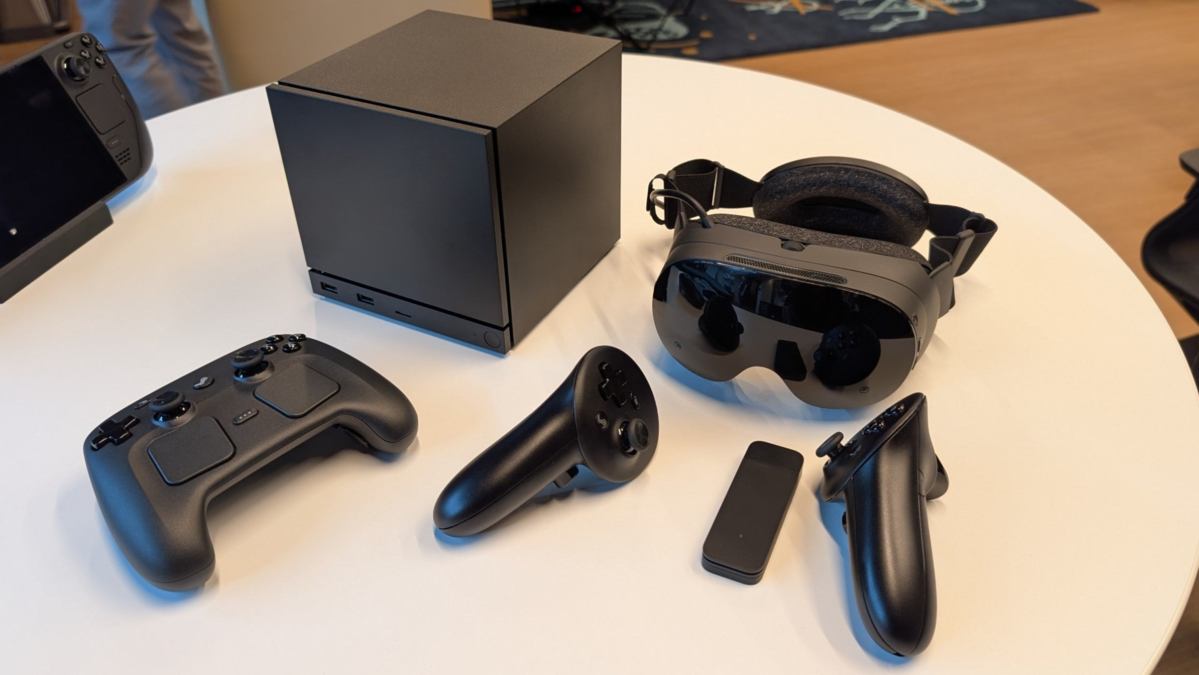
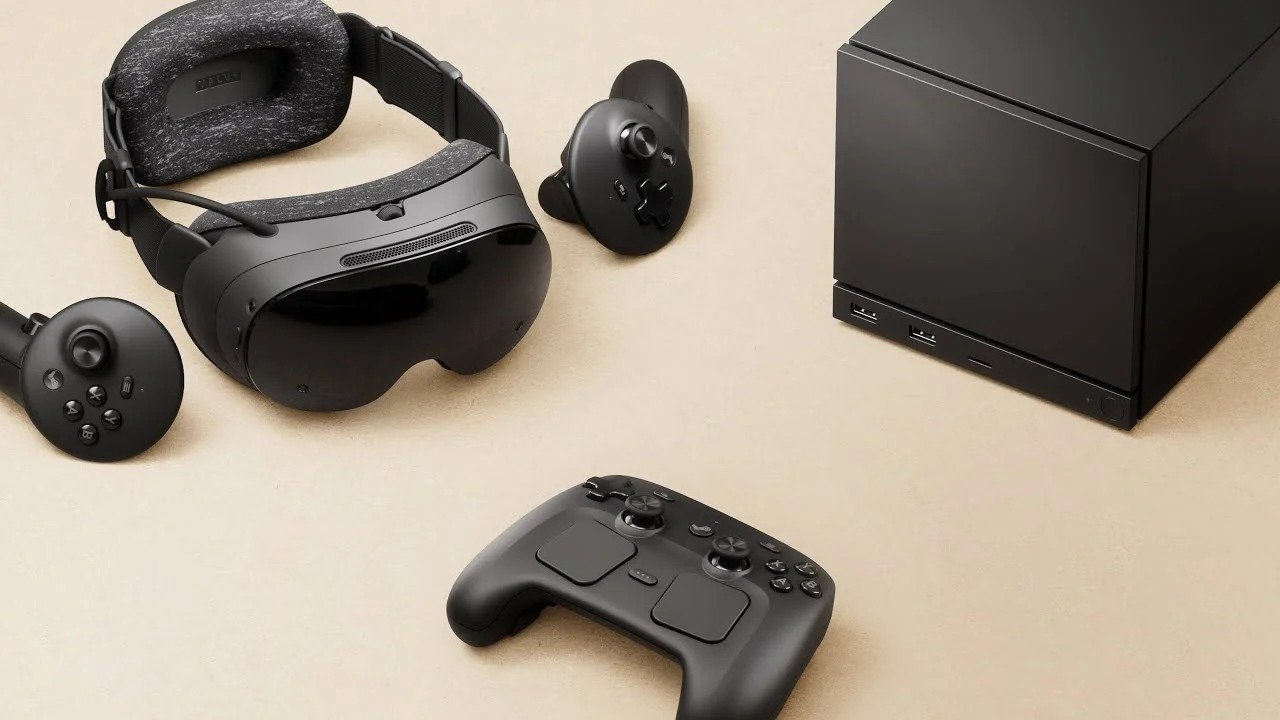
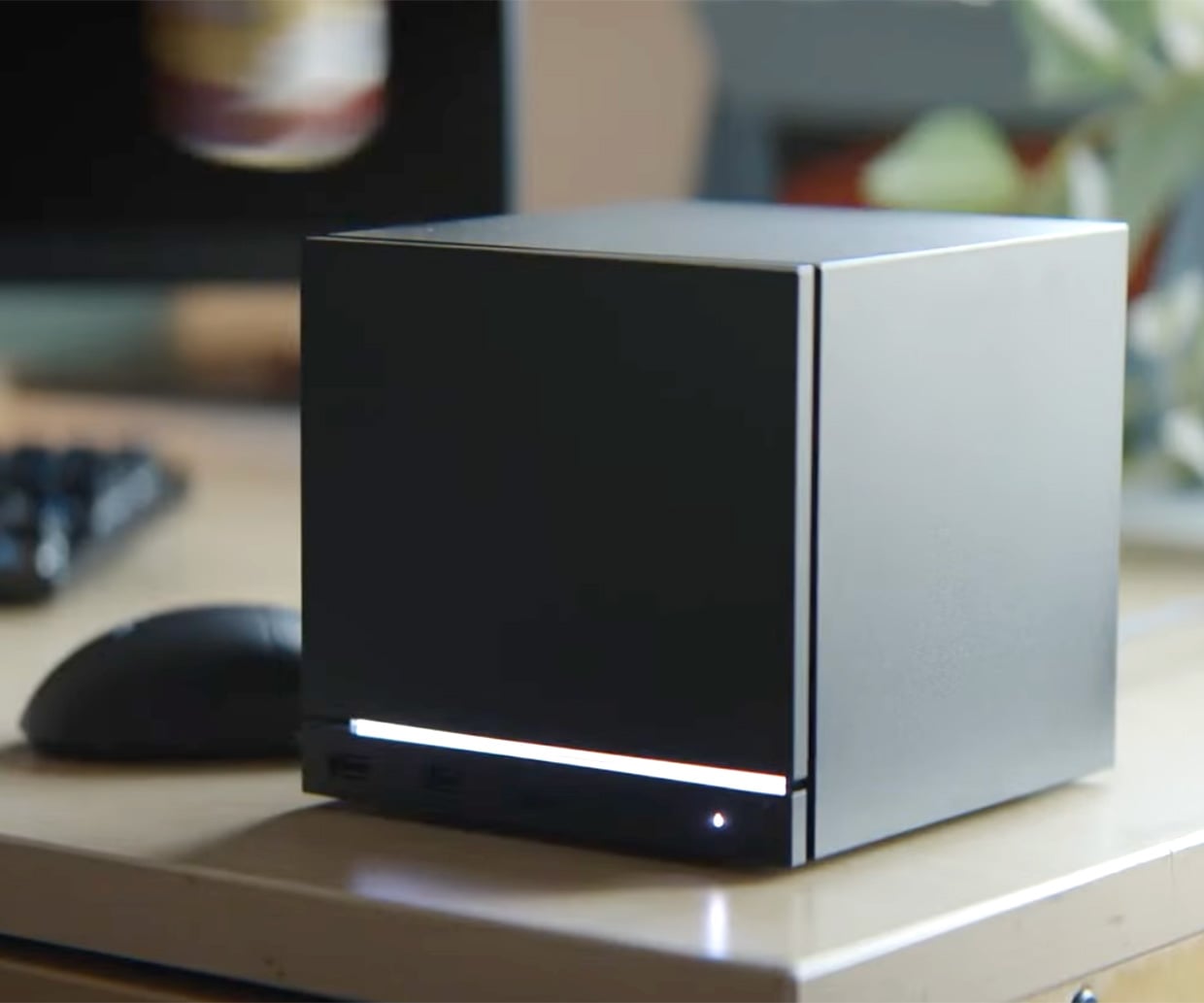
Steam Machine 2026 Why Valve Needs Retail Shelves The Outerhaven Steam Machine 2026 Image 01 . Steam Engine Wallpapers Top Free Steam Engine Backgrounds 2114698 . Steam Machine 2026 La Nueva Consola Compacta De Valve Steam Machine 1 . El Regreso De Steam Machine 2026 El Asalto De Valve Al Dominio De Sony El Regreso De Steam Machine 2026 El Asalto De Valve Al Dominio De Sony Y Microsoft . The Valve Steam Machine Is Back For 2025 2026 And More Powerful Than Ever Valve Steam Machine 2025 2

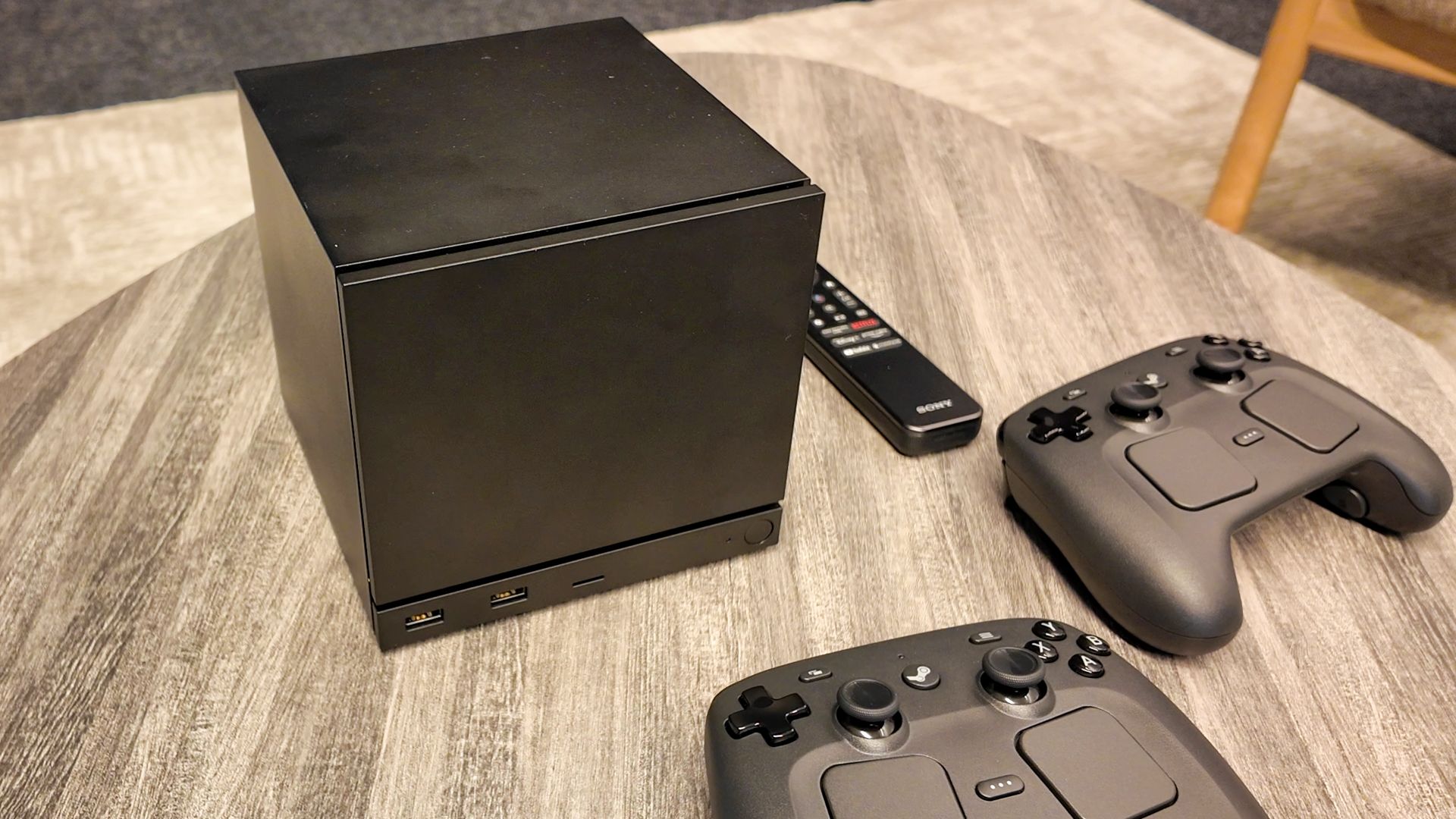



Valve Steam Machine PC Console Hybrid Launches Early 2026 Why It Could Valve Steam Machine 2026 Official Product Photo 1024x512 . The Steam Hardware Family Officially Expands In Early 2026 Steam 1920 80 . Steam Engine Wallpapers Top Free Steam Engine Backgrounds 2114762 . Steam Engine Wallpaper 660766 Steam Engine 1920x1080 Pictures . BEST DESKTOP LIVE STEAM ENGINE TRACTION ENGINE I Fix Run Mercer




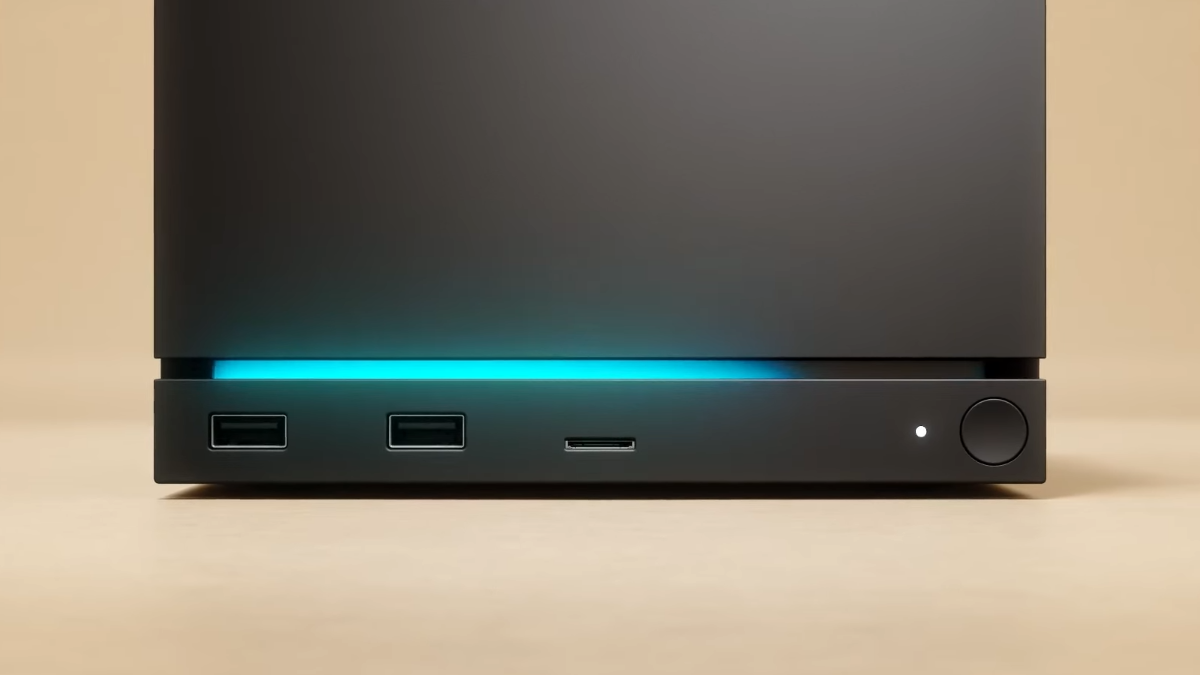
Steam Engine Wallpapers Wallpaper Cave 6K12fy6 . ACTUAL WORKING DESKTOP STEAM ENGINE YouTube . Steam Locomotive Wallpapers Wallpaper Cave 2CxhR2n . Steam Trains Calendar 2026 325372 Steam Trains Calendar Main . Valve Announces Steam Machine What Does The PC Console Hybrid Say Steam Machine Main





Steam Engine Wallpapers Wallpaper Cave IHVd0bF . Steam Engine Wallpapers Wallpaper Cave Fc5zdk2 . Steam Trains 2026 Mini Wall Calendar Calendars Com . Steam Sales 2026 Here S The Schedule For The First Half Of The Year 1824cr953 . Steam Engine Wallpapers Wallpaper Cave X9HPwzF

.png)



Steam Trains A3 Calendar 2026 D8ecb87c Ae89 4298 B7f9 . Desktop Steam Engine Steam Engine Render (1) . Steam Trains 2026 Wall Calendar Calendars Com 1781a348 1932 41a9 A17b. Steam Engine Wallpapers Top Free Steam Engine Backgrounds 2114904 . Steam Trains Heritage 2026 Wall Calendar Calendars Com

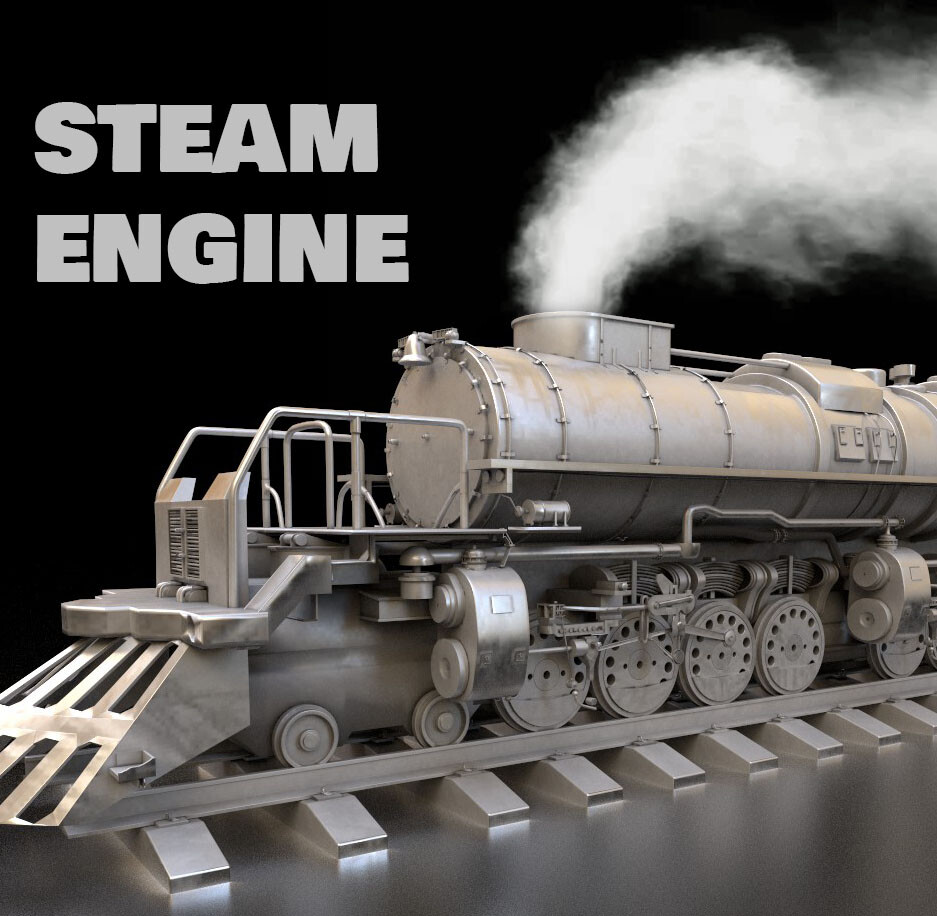


Steam Sale 2026 Key Dates You Need To Know LevelUpTalk Steam Sale Schedule 2026 08 27 2025 7c35051e 2c22 4093 96f1. Steam Engine Wallpapers Wallpaper Cave WMZshS3 . ArtStation Steam Engine HD Render Ashu Gupta Ashu Gupta Covertrain . Steam Locomotive Wallpapers Wallpaper Cave 0HWMp2j . Steam Engine Wallpapers Top Free Steam Engine Backgrounds 2114671