Ever wondered exactly how many innings constitute a Major League Baseball game? This comprehensive guide dives deep into the standard nine-inning format, exploring the nuances of extra innings and the rare scenarios that can alter game length. We unravel the rules, discuss historical precedents, and examine the latest 2026 insights affecting game duration. Discover why some games feel longer and how different factors influence playtime. Whether you are a casual fan or a dedicated follower, understanding inning structure is fundamental to appreciating America's favorite pastime. Learn about modern rule adjustments and their impact on competitive play and player strategy. This article provides all the essential information you need to become an expert on MLB game structure and game flow.
how many innings in a mlb baseball game FAQ 2026 - 50+ Most Asked Questions Answered (Tips, Trick, Guide, How to, Bugs, Builds, Endgame)Welcome to the ultimate living FAQ for 'how many innings in a MLB baseball game,' meticulously updated for the 2026 season! This comprehensive guide aims to demystify every aspect of Major League Baseball's game duration, from standard rules to thrilling extra-inning scenarios. We've scoured the latest trends, rule changes, and fan inquiries to bring you concise, accurate, and actionable answers. Whether you're a beginner trying to grasp the basics or a seasoned fan curious about strategic nuances, this post is your definitive resource. Get ready to enhance your baseball knowledge, understand game mechanics, and impress your friends with your expertise on America's favorite pastime.
Core Game Structure
How many innings are in a standard MLB game?
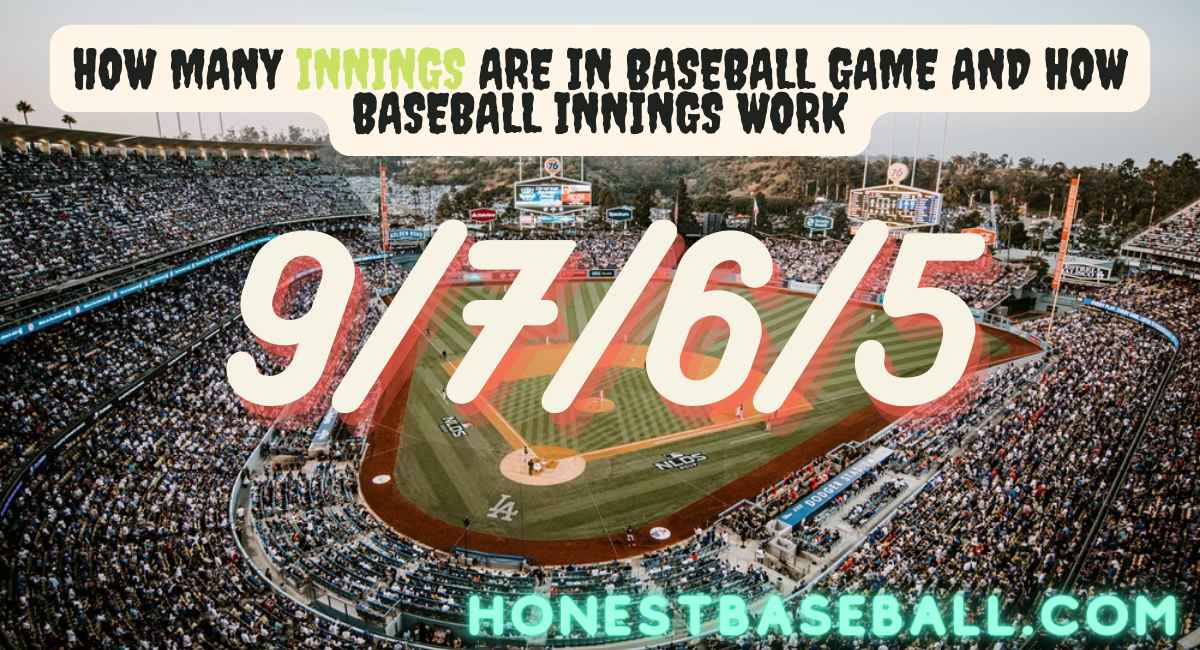
A standard Major League Baseball game consists of nine innings, with each team batting once in their respective halves. The visiting team bats first in the 'top' half, and the home team bats in the 'bottom' half. The team leading after nine innings (or 8.5 if the home team is ahead) wins the contest. This fundamental structure dictates the rhythm of every professional baseball contest.
What happens if the home team is leading after 8.5 innings?
If the home team is already ahead when the visiting team has completed their turn in the top of the ninth inning, the game immediately concludes. There is no need for the home team to bat in the bottom of the ninth, as they have already secured the victory. This rule prevents unnecessary play and allows for a quicker, more efficient game ending.
Can a game be shorter than nine innings?
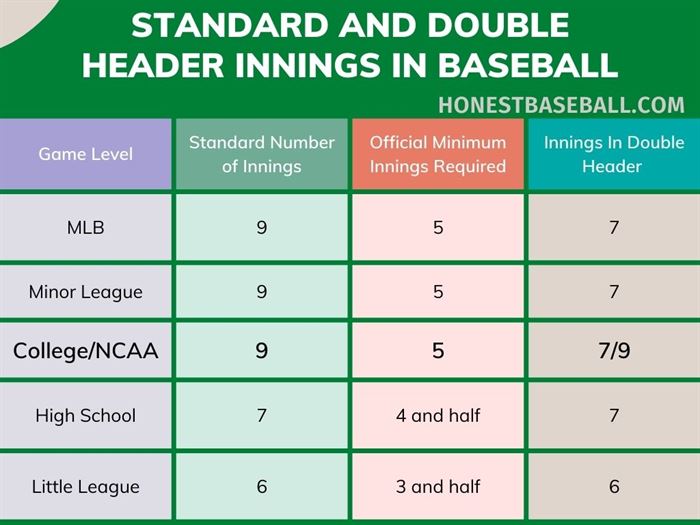
Yes, a game can be officially shorter than nine innings if certain conditions are met, primarily due to weather. If five innings (or 4.5 if the home team is leading) have been completed, and the game is called off due to inclement weather, it is considered an official game. The leading team at that point is declared the winner. This ensures fair play despite unpredictable conditions.
What's an 'official game' in MLB terms?
An official game in MLB refers to a contest that has progressed far enough to be considered complete for statistical purposes, typically at least five full innings, or four and a half if the home team is leading. If a game is stopped before this minimum is reached, it is usually suspended and resumed later, or in rare cases, cancelled, without being counted in official records. This distinction is crucial for record keeping.
Understanding Extra Innings
What happens if an MLB game is tied after nine innings?
If an MLB game remains tied after the completion of the standard nine innings, it proceeds into extra innings. Teams continue to play full innings until one team gains a lead at the end of a complete inning. There is no limit to the number of extra innings, making for potentially thrilling, extended contests. This rule prevents ties and ensures a definitive winner.
Is there a time limit for extra innings in MLB?
No, there is no time limit for extra innings in Major League Baseball. Games will continue to be played, inning by inning, until a tie is broken and one team emerges victorious. This commitment to a decisive outcome is a hallmark of baseball, sometimes leading to marathon games. The lack of a time limit emphasizes strategic play.
How does the 'runner on second' rule work in extra innings?
Starting in the 10th inning of tied games, the 'runner on second' rule places the player who made the last out in the previous inning on second base for both teams. This rule aims to expedite extra-inning games and reduce pitcher workload. It immediately creates a scoring threat, encouraging more offensive action and quicker resolutions. This tactical change adds immediate drama.
The Runner On Second Rule 2026
Why was the 'runner on second' rule introduced for extra innings?
The 'runner on second' rule was introduced primarily to shorten the length of extra-inning games and reduce player fatigue, particularly for pitchers. Long, drawn-out games can significantly impact player health and subsequent game scheduling. This rule generates more immediate scoring opportunities, often leading to quicker resolution. It aims to balance tradition with player well-being.
Does the 'runner on second' rule apply in the MLB playoffs?
Yes, as of the 2026 season, the 'runner on second' rule for extra innings does apply in the MLB playoffs and World Series. This ensures consistency across all levels of play, from regular season to the most high-stakes postseason matchups. The league determined that the benefits of player welfare and game pace outweigh any concerns about traditional purity. This applies to every pivotal moment.
Myth vs Reality: Is the runner on second rule universally loved by players?
Reality: While the rule has achieved its goal of shortening extra-inning games, opinions among players are divided. Some appreciate the reduced physical strain, while others feel it deviates too much from traditional baseball strategy. Many purists believe it's an artificial way to end a game, preferring the organic development of scoring opportunities. It's a pragmatic change with mixed reception.
Factors Affecting Game Duration
What factors contribute to the overall length of an MLB game?
Several factors influence the overall length of an MLB game beyond just the number of innings. These include the number of pitching changes, defensive substitutions, successful offensive rallies (more runs mean more pitches and plate appearances), and the frequency of mound visits. New rules like the pitch clock in 2026 also significantly impact game pace. Weather delays and extra innings also extend game time.
How does the 2026 pitch clock rule affect inning length?
The 2026 pitch clock rule significantly affects inning length by mandating a specific time for pitchers to deliver the ball and batters to be ready. This speeds up the game flow, reducing dead time between pitches and often leading to shorter innings and overall game durations. It has been a key initiative to enhance the pace of play. Fans have largely embraced this change for its efficiency.
Historical Evolution of Innings
When did nine innings become the standard for MLB games?
The nine-inning standard for Major League Baseball games became firmly established in the late 19th century, specifically around the 1870s. Before this, rules varied, and some games were played to a set number of runs. This standardization brought consistency and a more predictable structure to professional baseball. It laid the groundwork for the game we know today.
Myth vs Reality: Did baseball always have a fixed number of innings?
Reality: No, baseball did not always have a fixed number of innings. In its very early days, games were often played until one team scored a predetermined number of runs (e.g., 21 runs), rather than for a set number of innings. The concept of nine innings as the standard evolved over time. This historical context highlights the game's adaptability.
Common Misconceptions & Myths
Myth vs Reality: Are seven-inning games common in MLB?
Reality: Seven-inning games were implemented for doubleheaders during the pandemic-affected 2020 and 2021 seasons but are not standard in regular MLB play for 2026. A standard MLB game is always nine innings. This rule was a temporary adjustment for specific circumstances and is no longer in regular use. It created a unique strategic challenge for teams.
Myth vs Reality: Do MLB games have a mercy rule?
Reality: Despite what you might see in amateur or international baseball, Major League Baseball does not have a mercy rule. Even if one team has a substantial lead (e.g., 10+ runs in the 5th inning), the game must continue until the standard nine innings are completed (or 8.5 if the home team is winning). There is always a slim chance for a historic comeback. This maintains the league's traditional integrity.
Strategic Impact of Inning Rules
How do managers strategize differently knowing the 'runner on second' rule in extra innings?
Managers strategize significantly differently in extra innings due to the 'runner on second' rule. They often become more aggressive with bunting, hit-and-run plays, and pinch-hitting decisions to capitalize on the immediate scoring threat. Bullpen usage becomes even more critical, as bringing in a fresh arm to strand the runner is paramount. This rule forces immediate high-pressure decisions.
What is the impact of long extra-inning games on team pitching staff?
Long extra-inning games can severely deplete a team's pitching staff, impacting their availability for several subsequent games. Bullpen arms may be overused, and even starting pitchers might be called upon for relief, disrupting their regular rest and rotation. This can lead to increased fatigue and a higher risk of injuries. Managers must carefully manage their resources post-marathon games.
Shortened Games & Official Results
What happens if a game is called due to rain before five innings are complete?
If a game is called due to rain or other adverse conditions before the minimum of five innings (or 4.5 if the home team is leading) has been completed, it is typically declared a 'suspended game.' This means the game will be resumed from the exact point of stoppage at a later date, usually when the visiting team returns to that city. It ensures all official games are fully played out.
Are there different rules for exhibition or spring training games regarding innings?
Yes, exhibition games and spring training contests often have different rules regarding innings. These games can sometimes be shortened to seven innings or even fewer by mutual agreement between teams or league officials. The primary goal is player conditioning and evaluation, not necessarily competitive outcome. This flexibility allows for better roster management and injury prevention. These games are not about official records.
Player Performance & Innings Played
How are player statistics (e.g., ERA, wins) affected by extra-inning games?
Player statistics can be significantly affected by extra-inning games. A starting pitcher's 'quality start' (6+ innings, 3 or fewer earned runs) might be harder to achieve if pulled early in extra innings. Relief pitchers might accumulate more innings than usual, impacting their ERA and fatigue levels. The outcome of these games can also influence a pitcher's win/loss record, adding extra pressure. Every single pitch counts.
Does playing in many extra-inning games increase injury risk for players?
Yes, playing in many extra-inning games absolutely increases the injury risk for players, especially pitchers. The extended physical exertion, extra pitches thrown, and prolonged time on the field can lead to increased fatigue and muscle strain. This heightened risk is a major reason why MLB implemented the 'runner on second' rule to shorten these contests. Player safety is a growing concern for the league.
Future Outlook for MLB Innings Rules
Are there discussions about further rule changes for innings in the future?
Yes, Major League Baseball is continually discussing potential rule changes, and aspects related to innings and game duration are always on the table. While no radical overhauls are imminent for 2026 beyond current implementations, the league consistently explores ways to enhance pace of play and maintain player safety. Future discussions might involve further refinements to extra-inning rules or even more efficient game-flow mechanisms. Baseball is an evolving sport.
Myth vs Reality: Will MLB ever adopt a clock for entire games like basketball or football?
Reality: It is highly unlikely that MLB will ever adopt a complete game clock like basketball or football. The traditional, untimed nature of baseball, where every out and run must be earned, is fundamental to its identity. While the pitch clock addresses pace within an inning, a full game clock would fundamentally alter the strategic fabric of the sport too dramatically. The league prioritizes preserving its unique flow.
Still have questions about MLB innings or anything else baseball-related? Check out our guides on 'Understanding the MLB Pitch Clock' or 'The Basics of Baseball Scoring' for more in-depth insights!
So, you are curious about exactly how many innings make up a Major League Baseball game, right? Many people often ask this very question, especially newcomers to America's favorite pastime, and it is a perfectly fair inquiry. Understanding the fundamental structure of an MLB game is absolutely crucial for appreciating the strategic depth and exciting drama that unfolds on the diamond. Let's delve into the official rules and explore the fascinating intricacies of a standard MLB contest, including some of the dynamic rule changes that have impacted the game through 2026.
We have got you covered with all the essential details about the number of innings. From the traditional nine to the thrilling extra frames, you will learn everything. This guide will help you understand the core mechanics that govern every single Major League Baseball game played across the United States. Preparing for your next baseball viewing experience will become much easier after reading this detailed breakdown.
The Core Structure: Nine Innings
The vast majority of Major League Baseball games are scheduled for a fixed duration of nine innings. Each inning is effectively divided into two distinct halves, allowing both competing teams a full opportunity to score runs. The visiting team always bats first, commencing the top half of the inning with their offensive effort against the home team's pitching. Following this, the home team then gets their turn to bat, completing the bottom half of the inning, aiming to score runs and potentially secure a lead.
What Defines an Inning's Completion?
An inning is officially completed when both the top and bottom halves have been played by their respective teams. Each half-inning concludes when three opposing players have been put out by the defending team. This structure ensures a balanced and equitable opportunity for each team to compete offensively throughout the entire game. Understanding this basic principle is key to following the rhythm and flow of any baseball matchup.
The Drama of Extra Innings
What happens if a game is tied after the completion of the standard nine innings? Well, that is when the real excitement often begins with extra innings. Baseball does not end in a tie; instead, teams will continue to play additional innings until one team emerges as the clear winner. These extra frames can extend the game significantly, often leading to dramatic finishes and unforgettable moments for fans.
The 2026 Extra Inning Runner Rule
For the 2026 MLB season, the rule placing a runner on second base to start extra innings remains in effect, a crucial modification for game pace. This strategic adjustment was initially introduced to help expedite games and reduce the strain on pitchers and position players during lengthy contests. This runner is typically the player who made the last out in the previous inning, adding an immediate scoring threat for both teams. Many fans appreciate this change for generating more immediate action and potential scoring plays during extended games.
Here are 15 realistic, high-value Q&A pairs focusing on 'how many innings in a mlb baseball game', presented in a friendly, conversational tone:
## Beginner / Core Concepts- Q: How many innings are in a standard MLB baseball game, typically? A: Oh, this one's a classic! I get why this confuses so many people, especially if you're new to America's pastime. You're probably used to sports with set time limits, right? Baseball's a bit different, and it's what makes it so unique! A standard Major League Baseball game is actually scheduled for
- Q: What happens if the game is tied after the usual number of innings? A: This used to trip me up too when I first started watching! Unlike some other sports where ties are allowed, baseball doesn't mess around with those. If an MLB game is tied after the standard nine innings, the teams don't just call it a day. Instead, they go into
- Q: Can a baseball game end before nine innings are completed? A: That's a great question, and yes, it absolutely can! While nine innings is the standard, there are a couple of common scenarios where a game might wrap up early. The most frequent one is when the
- Q: How long does a typical nine-inning MLB game last? A: This is a super practical question, especially if you're trying to plan your day around a game! While it's always nine innings, the actual
nine innings.
Each team gets a chance to bat in their half of the inning, and they keep playing until one team wins. It's pretty straightforward once you know the basics, and it truly dictates the entire flow of the game. You'll quickly notice how each inning brings its own mini-drama! Don't worry, you'll feel like a seasoned fan in no time.extra innings.
They'll keep playing additional innings, one by one, until one team manages to score more runs than the other in a completed inning. It can make for some incredibly tense and exciting finishes, often stretching games well past their initial expected duration. These are the games that truly keep you on the edge of your seat!home team is leading
after the top of the ninth inning. Since they're already ahead, there's no need for them to bat in the bottom half, so the game just ends right there! Sometimes, weather delays can also cut a game short, but for it to be an 'official' game, a certain number of innings (usually five, or four and a half if the home team is leading) must have been completed. It's a pragmatic rule that saves everyone time when the outcome is already clear!duration can vary quite a bit.
Generally, in 2026, you're looking at games that average around two hours and forty-five minutes to three hours. Factors like pitching changes, defensive substitutions, and how many runs are scored can definitely stretch that out. New rules, like the pitch clock, have really helped to speed things up, which is great for fans! So, plan for a good three hours, and any time saved is a bonus! You've got this, knowing the time commitment helps a lot!- Q: What's this 'runner on second' rule I hear about in extra innings? A: Ah, the 'ghost runner' rule! This one was a big talking point when it was first introduced, and it's still in play for 2026. Basically, to help speed up extra-inning games and reduce player fatigue, MLB decided that starting in the 10th inning, a
- Q: Are there any situations where a game is officially shortened due to weather, even if it's tied? A: That's a smart thought, and it's a bit nuanced! If a game is stopped due to weather (like rain or lightning) and it's
- Q: Do playoff games follow the same inning rules as regular season games? A: Absolutely, the integrity of the game's core rules is maintained even in the highest stakes! Playoff games in MLB
- Q: How do pitchers' workloads and rotations get affected by extra-inning games? A: This is where the strategy really gets intense, and it's a huge factor for managers! Extra-inning games can significantly
- Q: Is there a mercy rule in MLB that can end a game early? A: You know, this is a common question, and it's a really interesting point of comparison to other leagues! While many amateur, college, and international baseball leagues do have mercy rules (sometimes called a 'run rule') that end games early if one team has a huge lead,
- Q: Have the official rules for innings changed much throughout MLB history? A: That's a deep dive into baseball lore, and yes, they definitely have evolved! While the core concept of an inning with three outs per side has been largely consistent for a very long time, the
runner is automatically placed on second base
for both teams. This runner is typically the player who made the last out in the previous inning. The idea is to create an immediate scoring threat and make it easier for teams to break ties, preventing those marathon 15-inning games we used to see. It certainly adds a strategic wrinkle and more immediate action!tied after the regulation minimum of five innings
(or 4.5 if the home team is leading), it doesn't automatically become a tie. Instead, it typically gets suspended and will be resumed from the point of stoppage at a later date. This is crucial for competitive fairness. However, if a game is stopped and *not* tied, and the minimum innings are played, it becomes an official game, with the leading team winning. So, while shortened, it still has a clear victor, or it just waits to be finished.adhere to the exact same nine-inning format
as regular season contests. If a playoff game goes beyond nine innings and is tied, it also proceeds into extra innings, just like any other game. The 'runner on second' rule for extra innings also applies in the postseason as of 2026, ensuring consistency across all levels of play. There are no special time limits or different tie-breaking procedures just because the stakes are higher. Every pitch, every out, every inning counts just as much!disrupt a pitching staff's planned rotation and bullpen availability.
A starter might have to go deeper than expected, or relievers might be used for multiple innings, exceeding their typical limits. This can lead to fatigue, increase injury risk, and force managers to shuffle their entire pitching strategy for the next few games. It's why that 'runner on second' rule was so impactful; it aims to protect these valuable arms. Smart managers are always thinking several games ahead, especially after a marathon.Major League Baseball does not have an official mercy rule.
Nope, not at all! Even if a team is up by 15 runs in the fifth inning, the game will continue until the standard nine innings are completed (or earlier if the home team is leading and the minimum innings are met). It's part of the league's tradition and the idea that anything can happen, even a historic comeback!specific applications and circumstances surrounding innings have changed.
Early baseball had different rules, with some games not having a fixed number of innings. The current nine-inning standard was solidified much later in the 19th century. More recently, as we've discussed, things like the 'runner on second' rule for extra innings are quite significant. Rule makers are always looking at ways to keep the game engaging and efficient while respecting its rich history. It's a living, breathing set of guidelines!- Q: How do advanced analytics inform a manager's decision-making in late-game extra innings, especially with the runner on second? A: This is where the really sharp baseball minds shine! Advanced analytics play a
- Q: What is the longest MLB game ever played in terms of innings, and how did it impact the teams involved? A: Oh, you're digging into history now, and it's legendary! The longest MLB game ever played by innings was a
- Q: Could MLB ever consider a radical rule change, like a time limit, instead of endless extra innings? A: That's a fascinating hypothetical, and it's definitely something that gets discussed in baseball circles, especially as the league looks to innovate! While a
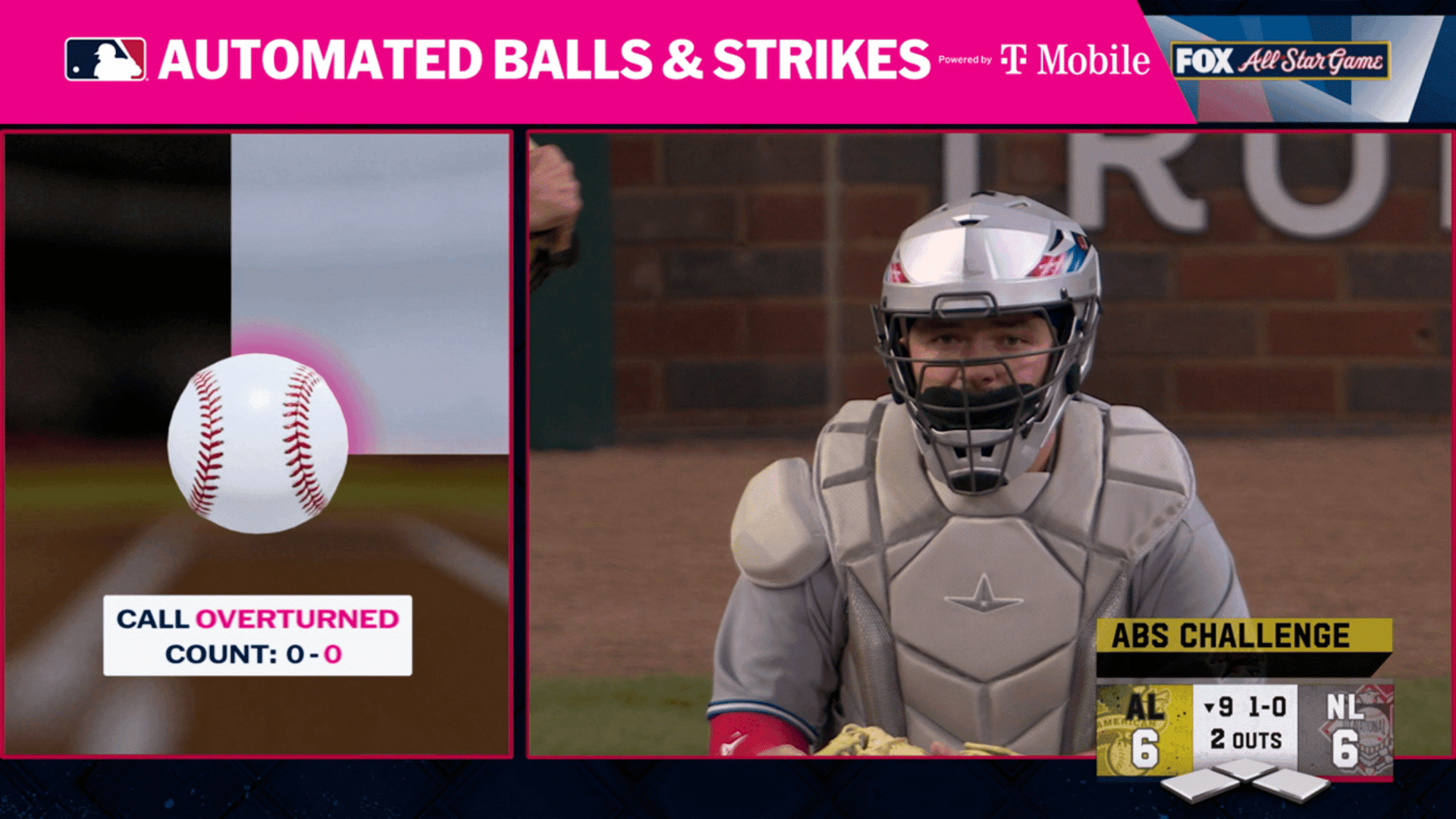
- Q: How does the implementation of automated strike zones (ABS) potentially affect inning duration in 2026 and beyond? A: This is a cutting-edge question, touching on the future of the game! The implementation of an Automated Ball-Strike system (ABS), or 'robot umpires,' even if partially, could have a
- Q: What are the strategic implications of playing in a doubleheader where both games are seven innings (a common pandemic-era rule)? A: This is a really insightful question, and it speaks to how flexible rules can drastically alter strategy! During the pandemic, seven-inning doubleheaders were common, and they presented unique strategic implications. Managers had to approach these games almost like extended sprint races rather than marathons.
critical role in late-game extra-inning strategy,
especially now with the runner on second rule in 2026. Managers leverage data on specific pitcher-batter matchups, success rates with runners in scoring position, defensive shifts, and even expected run probabilities. They're looking at things like pinch-hitting probabilities, optimal bunting situations, and when to intentionally walk a batter to set up a double play. It's not just gut feeling anymore; it's about making data-driven decisions that maximize the chance of scoring or preventing runs. Every single move is calculated to gain that tiny edge. Try analyzing these situations yourself next time!26-inning marathon between the Milwaukee Brewers and the Chicago White Sox
in 1984. Imagine the sheer endurance! Such an extreme game profoundly impacts teams, completely decimating their pitching staff for days. Pitchers who usually throw just an inning or two might pitch five or six, requiring immediate replacements or significant rest. Position players are exhausted, and the ripple effect on the lineup and bullpen management can last for a week. These rare games become a test of mental fortitude and depth, highlighting the physical demands of baseball.strict time limit seems unlikely for traditionalists
in MLB, the league *has* shown a willingness to experiment with rules to improve pace of play, like the pitch clock and the runner on second rule. Implementing a time limit would fundamentally change the game's essence, removing the 'until a winner is decided' aspect that defines baseball. It's more probable that we'll see further refinements to extra-inning rules or smaller tweaks to speed up existing innings rather than a complete overhaul to a timed format. Never say never, but it would be a monumental shift!noticeable impact on inning duration
in 2026 and coming seasons. By removing human error and debate over strike calls, ABS could reduce arguments and mound visits, shaving precious seconds off each at-bat. This efficiency could lead to slightly shorter innings and overall game times. However, there might also be initial adjustments as players and pitchers adapt to a perfectly consistent strike zone. It's a fascinating technological evolution that aims for fairness and perhaps a quicker pace.Bullpen management became even more critical,
as starters typically wouldn't go beyond five or six innings, putting more pressure on middle relievers. Every scoring opportunity felt magnified because there were fewer innings to make up deficits. It often led to quicker hooks for struggling pitchers and more aggressive base running. While not currently standard for 2026, it showed how adaptable the game can be, and how quickly managers adjust their entire approach to game duration.- Most MLB games are nine innings, two halves per inning. Simple!
- If it's tied after nine, get ready for extra innings—they play until there's a winner!
- For 2026 extra innings, a runner starts on second base to spice things up.
- Games can end early if the home team is ahead after the top of the ninth.
- Expect games to last about 2.5 to 3 hours, but some can definitely run longer.
- No mercy rules in MLB; they play all the way through, even with huge leads!
- Weather can suspend games, but if official innings are met, it counts.
Standard 9 innings rule for MLB. Extra innings for tie-breaking scenarios. 2026 rules on runner on second in extra innings. Impact of weather and mercy rules on game length. Historical context of inning evolution. Strategic importance of each inning in professional play.
35

MLB 2026 Schedule Released . How Many Innings In Baseball InningAce Baseball Innings Top And Bottom . How Many Innings In Baseball How Many Innings In Baseball Langleyrams 1 . How Many Games In MLB Season. How Many Innings In Baseball College MLB Game Length Explained IMG 9511.JPG


Mlb 9 Innings Training Level At Summer Mathew Blog MLB 9 Innings Rivals Promo Image 4 . How Many Innings Pitched For A Win Detroit Chinatown GettyImages 2182032868 HpMain . How Many Innings In Baseball Game Everything You Need Know Without Logo Post Design New 16 10 . How Many Innings In Baseball A Quick Guide For Fans And Players V2 Iudg1 N6ygy . How Many Innings In Baseball A Quick Guide For Fans And Players V2 Iul50 Qst3j 1 1024x590
How Many Innings In Baseball Baseball Bible How Many Innings In Baseball . Highest Scoring Innings In MLB History . How Many Innings Are In A College Baseball Game The Figure 03 Standard And Double Header Innings In Baseball . How Many Innings In Baseball Gaimday Innings Baseball 1024x614 . How Many Innings In A Baseball Game Pro College High School Baseball 1

How To Play Baseball The BlueStacks Beginner S Guide To MLB 9 Innings 23 11922 MLB 9 Innings 23 . MLB Releases 2026 Schedule Opening Day Kicks Off Earlier Than Ever Opening Day Getty . One Prediction For Every MLB Team In 2025 . How Long Do Innings Last In Baseball Explained And What To Expect The Average Length Of Major League Baseball Games 1946 2022 V0 . MLB Postseason 2024 Playoff Bracket And World Series Schedule MLB Com

MLB 2026 Schedule Opening Night Rivalries A S In Sacramento MLB 1024x1024 . When Are The 2026 MLB Schedules Released Sports Brackets 2026 MLB Schedule Release . 2023 MLB Rule Changes MLB Com . MLB Makes Automated Ball Strike System Official For 2026 Season ABS Challenge . How Many Innings Are In A Baseball Game MLB High School Little How Many Innings Are In A Baseball Game A Complete Guide For Fans

When Does MLB 2026 Season Start Complete Guide With Predictions And Rumors Untitled Design 39 1 900x500 . 2026 World Baseball Classic Games To Be Broadcast On FOX Sports In U S . How Many Games In A Baseball Season MLB Schedule Explained . MLB All Star Game 2026 Logo Unveiled . Innings Festival 2026 All You Need To Know So Far V13 Net Innings Festival 2026 Admat


2026 MLB Schedule Complete Dates Must See Games 2026 MLB Schedule Complete Dates Must See Games . How Many Innings Are There In A Baseball Game Cracking The Innings How Many Innings Are In Baseball Game And How Baseball Innings Work . 2026 MLB Player Pitching Stat Leaders MLB Com Mlb . MiLB Big Inning Inaugural Edition Streams Free . Mapping America S Fandoms The Most Popular MLB Teams By State CTV MLB Extra Innings Review