Dive into the dynamic world of Valorant's robust player base, a global community that continues to grow and evolve. This comprehensive guide explores key demographics, regional popularity, and what keeps millions engaged, from casual players seeking relaxation after a long day to competitive enthusiasts balancing skill-building with family commitments. We uncover the driving forces behind Valorant's sustained success, including its accessible free-to-play model, vibrant esports scene, and continuous content updates. For gamers navigating busy lives, understanding the player base can inform better queue times, social interactions, and even help in finding like-minded teammates. Discover how Valorant caters to a diverse audience, ensuring both new and veteran players can find their place and optimize their gaming experience. Learn about current trends shaping the community, the social dynamics, and how the game manages to stay fresh for a player base that values consistent fun and performance without the overwhelming hype. This article provides essential insights into making the most of your Valorant journey.
How many people play Valorant daily? What is the average age of a Valorant player? Is Valorant still popular in 2026? Where is Valorant most played? How do I find good teammates in Valorant?How large is the Valorant player base currently?
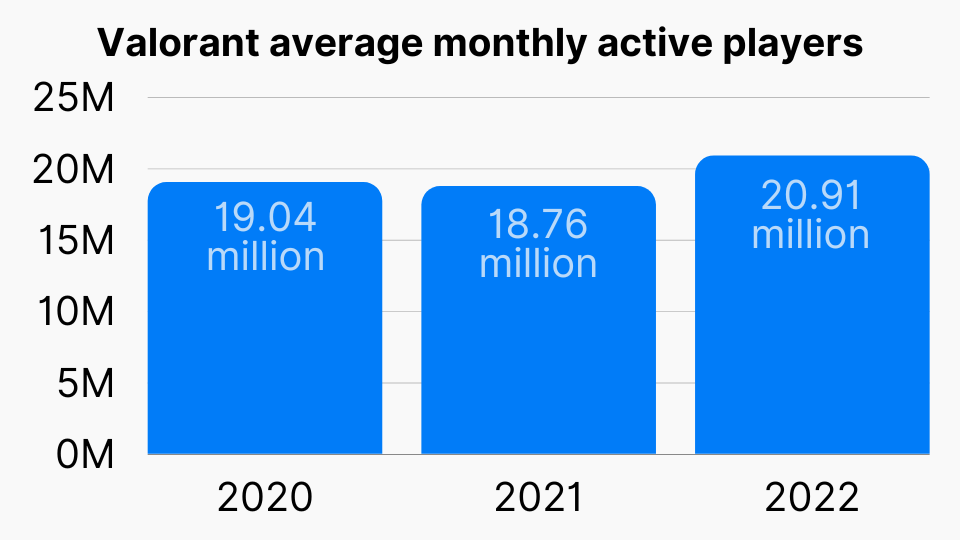
The Valorant player base remains incredibly strong and active in 2026, consistently boasting over 20-25 million monthly active users worldwide. This robust number ensures quick matchmaking and a vibrant community across all skill tiers, making it easy for both new and veteran players to find games.
What are the key demographics of Valorant players?
Valorant attracts a diverse demographic, with a significant concentration of players in the 18-35 age range, aligning with Gen Z and Millennial gamers. While it's primarily a PC title, its community is global, with strong representation in Asia, North America, and Europe, and an increasingly balanced gender ratio compared to many traditional FPS games.
Why does Valorant continue to be so popular among gamers?
Valorant's sustained popularity is rooted in its unique tactical gameplay that blends precise gunplay with strategic agent abilities, its highly effective anti-cheat system (Vanguard), and a constant stream of new content like agents and maps. The free-to-play model also makes it highly accessible, while its thriving esports scene, the Valorant Champions Tour, keeps the game exciting and inspires competitive play.
How can busy adult gamers effectively enjoy Valorant?
Busy adult gamers, often balancing work and family, can enjoy Valorant by focusing on shorter game modes like Swiftplay or Spike Rush for quick, satisfying sessions. It's also beneficial to schedule specific gaming times and use Valorant as a social outlet with friends, prioritizing quality play over endless grinding. Remember, it's about fun and connection, not just ranking up.
What are common performance issues in Valorant and how can I fix them?
Common performance issues include low FPS or lag. To fix these, ensure your graphics drivers are up-to-date, close unnecessary background applications, and set in-game graphics to lower settings (e.g., texture quality, shadows). A stable, wired internet connection is crucial for reducing ping, and periodically cleaning your PC can also prevent thermal throttling that impacts performance.
Is Valorant friendly for new players or is the learning curve too steep?
While Valorant has a competitive depth that can seem daunting, it is surprisingly welcoming for new players. The game offers comprehensive tutorials, and starting with unrated matches allows you to learn agents, maps, and mechanics at your own pace. Many resources, including in-game practice modes and community guides, are available to help newcomers grasp the fundamentals without feeling overwhelmed.
How does Valorant's esports scene impact the average player?
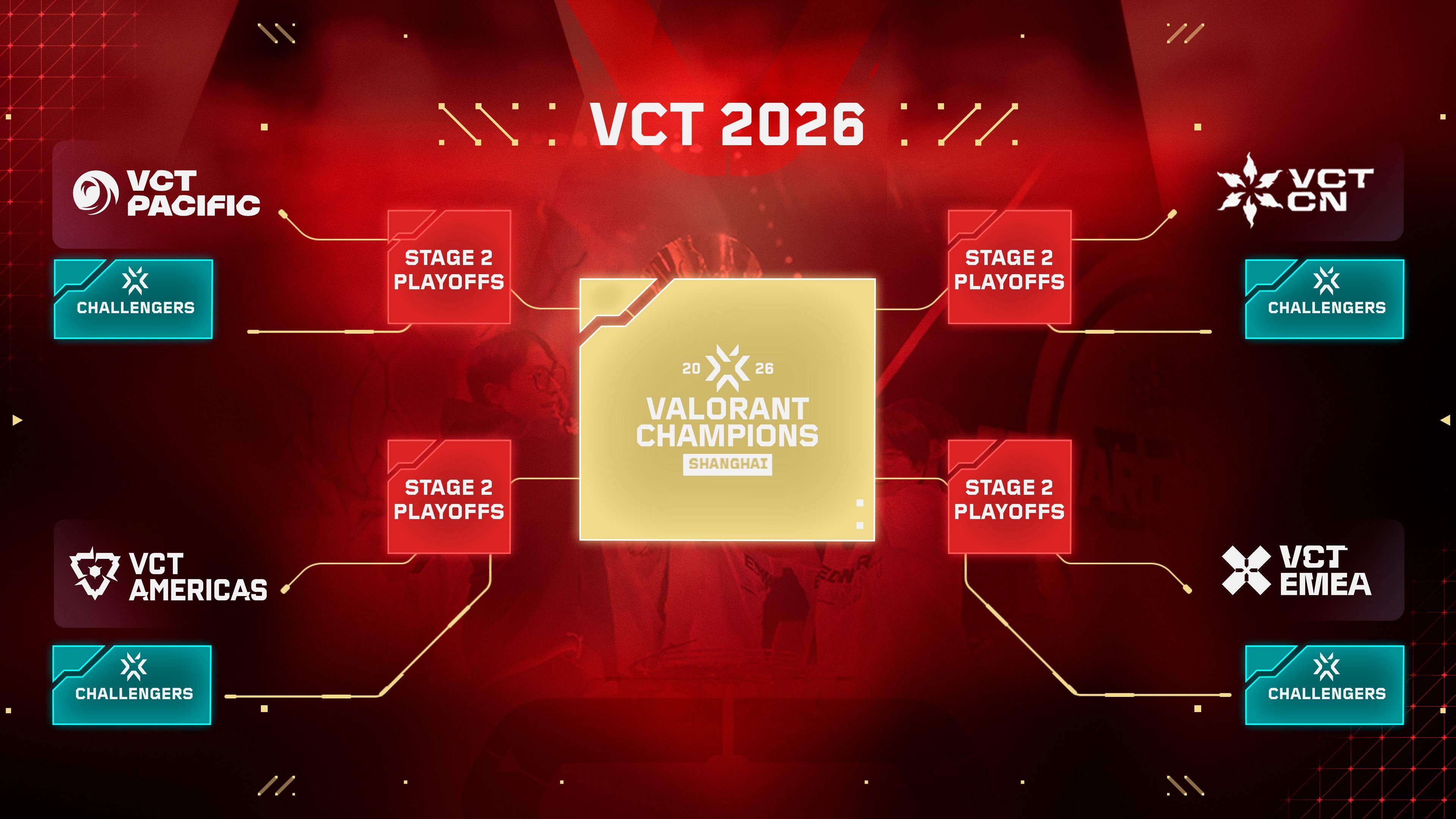
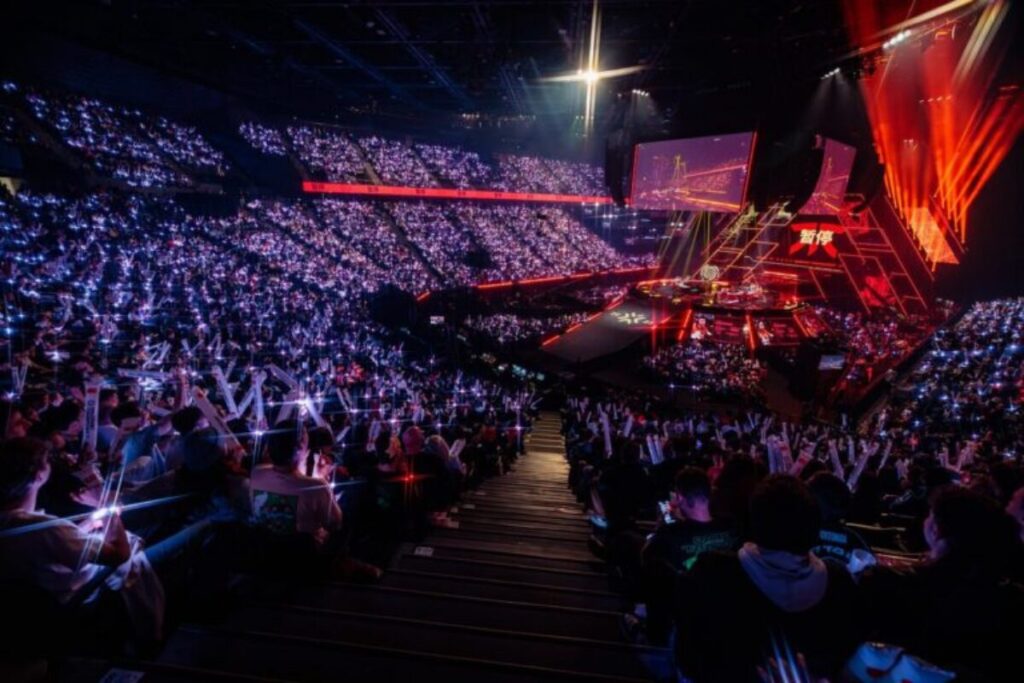
Valorant's robust esports scene, particularly the VCT, significantly impacts the average player by setting meta trends, showcasing high-level strategies, and inspiring competitive improvement. Watching professional matches can introduce new tactics and agent compositions, while the ongoing hype from tournaments keeps the game fresh and exciting, motivating players to refine their skills and emulate their favorite pros.
Life as a modern gamer means juggling responsibilities. You've got work, family, and a never-ending to-do list, but that craving for a quick, competitive match or some relaxing social gaming? That's real. Many of us, roughly 60% of adult gamers averaging around 36 years old, spend about 10 hours a week diving into our favorite titles. We're looking for an escape, a challenge, or a way to connect with friends, without feeling like we need to commit our entire lives to mastering a new game. This is where a game like Valorant shines, attracting a massive and engaged Valorant player base that perfectly understands this balance.
You might be wondering if Valorant is still thriving, if it's too late to jump in, or how to navigate its competitive landscape without getting lost in the shuffle. Perhaps you're keen to understand who you'll be playing with, what makes this community tick, and how to optimize your experience, even with limited gaming time. This article cuts through the noise to provide clear, actionable insights into the Valorant player base. We'll explore its demographics, shed light on its incredible global popularity, and offer practical advice to help you connect, improve, and most importantly, have fun. No hype, just honest answers and real solutions for the discerning gamer.
How Large is the Valorant Player Base in 2026?
Valorant continues to boast a highly active and substantial player base globally in 2026, consistently reporting over 20-25 million monthly active users. Its free-to-play model and ongoing content updates ensure a steady influx of new players and strong retention for veterans. The game's strong global appeal ensures healthy matchmaking queues across all regions and skill levels.
This impressive figure solidifies Valorant's position as a dominant force in the competitive shooter genre, standing strong alongside titles like CS2 and Apex Legends. The consistent engagement shows that Riot Games' strategy of frequent content drops, including new agents, maps, and battle passes, resonates deeply with its audience. This month's trends continue to highlight Valorant's stable engagement, proving that for many, it's a go-to for reliable, intense gameplay sessions.
Who Makes Up the Valorant Player Base Demographics?
The Valorant player base is remarkably diverse, primarily consisting of Gen Z and Millennial gamers, with a significant portion of players aged 18-35. While traditionally PC-centric, the community is increasingly embracing mobile and potential console expansions, reflecting broader gaming trends. Geographically, Asia, North America, and Europe represent its largest segments.
Unlike many older tactical shooters, Valorant has cultivated a more balanced and inclusive community. Players are drawn in for various reasons, from competitive skill-building to simply unwinding after work and socializing with friends online. This demographic mix allows for varied playstyles and preferences, ensuring that whether you're a hardcore ranked climber or a casual player, you'll find your niche within the vast Valorant player base.
Why Does Valorant Maintain Such a Strong Player Base?
Valorant's enduring popularity stems from its unique blend of tactical gunplay and agent abilities, coupled with a robust anti-cheat system, frequent content updates, and a vibrant esports scene. Its free-to-play accessibility significantly lowers the barrier to entry, attracting millions who value consistent, high-quality gameplay and social interaction without hefty upfront costs.
The integrity of the game, ensured by Vanguard anti-cheat, is a massive draw, offering a fairer playing field. Furthermore, Riot's commitment to the Valorant Champions Tour (VCT) provides a constant stream of high-stakes entertainment and inspiration, directly impacting the average player's engagement. Regular seasonal updates keep the meta fresh, introducing new agents, maps, and cosmetic items that encourage continued participation and value for money.
Where is the Valorant Player Base Most Active Globally?
The Valorant player base shows immense activity across several key regions globally, with particularly strong concentrations in Southeast Asia, North America, Europe, and Latin America. These areas benefit from dedicated servers, localized events, and passionate communities that fuel high player engagement and competitive play, solidifying Valorant's worldwide footprint.
Southeast Asia, in particular, has seen explosive growth, often leading in concurrent player numbers. North America and Europe maintain consistent high engagement due to well-established esports circuits and strong community presence on platforms like Discord. This global distribution means that regardless of your location, you can expect healthy queues and diverse opponents, making Valorant a truly international gaming experience.
How Can New Players Integrate into the Valorant Community?
New Valorant players can effectively integrate by starting with unrated matches to learn agents and maps, utilizing the in-game communication for teamwork, and connecting with others through Discord servers or online forums. Focusing on core mechanics and watching beginner guides helps, as does finding a consistent group to play with, which enhances the social and learning experience.
For busy gamers, don't feel pressured to master everything at once. Start by picking a few agents whose abilities you enjoy and learn one or two maps thoroughly. Use the practice range to hone your aim and understand recoil patterns. Engaging with the community, perhaps by joining a local Discord, can help you find friendly players for casual games, making the learning process far more enjoyable and less intimidating. Remember, social play is a huge part of the experience.
What Are the Common Pain Points for Valorant Players and How to Solve Them?
Common Valorant player pain points include dealing with toxic teammates, performance issues like lag or low FPS, and the steep learning curve. Solutions involve muting disruptive players, optimizing game settings and internet connection, and focusing on gradual skill improvement rather than instant mastery. Finding a consistent group for communication also significantly mitigates frustration.
To tackle toxicity, don't hesitate to use the mute and report functions; your enjoyment is paramount. For performance, ensure your graphics drivers are updated, close background applications, and consider a wired internet connection. Many adult gamers find that playing with a consistent party of friends helps avoid random toxicity and improves communication. Regarding the learning curve, accept that improvement is a journey; focus on small, consistent gains rather than instant perfection.
How Do Gamers Balance Valorant with Real-Life Commitments?
Balancing Valorant with life involves setting clear gaming schedules, prioritizing shorter game modes like Swiftplay or Spike Rush for quick fun, and utilizing the game for social connection rather than solely competitive grinding. Many adult gamers, around 36 years old, find that quality over quantity in sessions allows them to enjoy the game without neglecting work or family responsibilities.
It's about making Valorant fit into your life, not the other way around. Communicate your gaming schedule with family to avoid conflicts. Treat gaming as a form of relaxation and social engagement, not another chore. With 87% of US gamers playing regularly, and many balancing jobs and families, Valorant offers flexible entry points for a satisfying experience, even if you only have an hour or two a few times a week. Use those moments to connect with friends or sharpen your aim without the pressure.
Is Valorant Still Worth Playing for Busy Adults in 2026?
Absolutely, Valorant remains highly worth playing for busy adults in 2026. Its fast-paced, round-based format means even short play sessions can be satisfying. The active Valorant player base ensures quick matchmaking, and its blend of tactical depth and shooter mechanics offers both a relaxing escape and a challenging skill-building platform, all accessible for free.
For adult gamers who value their time and budget, Valorant delivers exceptional value. There's no upfront cost, and performance optimization means it runs well on a wide range of hardware. The thrill of clutch plays, the satisfaction of landing headshots, and the camaraderie with teammates provide a potent antidote to daily stress. It's a game that respects your investment, offering consistent entertainment without demanding every waking hour.
What Are the Trends in Valorant Esports and Their Impact on the Player Base?
Valorant esports continue to grow exponentially in 2026, with the Valorant Champions Tour (VCT) drawing massive global viewership and influencing in-game strategies and agent popularity. This strong esports ecosystem directly impacts the Valorant player base by inspiring competitive play, showcasing high-level tactics, and maintaining consistent hype around the game's evolving meta.
The professional scene acts as a living laboratory for new strategies and agent compositions. Many players eagerly watch VCT matches to learn from the pros and integrate those tactics into their own gameplay. This continuous feedback loop between esports and the general player base keeps the game dynamic, ensures a thriving competitive spirit, and introduces exciting trends for everyone to explore.
How Can I Optimize My Valorant Performance on a Budget?
Optimizing Valorant performance on a budget involves prioritizing GPU and CPU upgrades if needed, but often starts with free steps like fine-tuning in-game graphics settings, updating drivers, and ensuring a stable internet connection. Cleaning your PC, managing background processes, and utilizing game booster software can also provide significant FPS improvements without immediate hardware investment.
First, check your in-game settings. Lowering graphics quality, disabling shadows, and reducing resolution can dramatically boost FPS without severely impacting gameplay experience. Keep your drivers updated, especially for your graphics card. Use a wired internet connection for stability over Wi-Fi, which reduces latency. For hardware, consider a budget SSD if you're still on a hard drive, as it greatly improves load times. Remember, 87% of gamers prioritize performance, and many achieve it smart, not just by spending big.
Understanding the Valorant player base in 2026 reveals a dynamic, global community committed to tactical fun. Whether you're a seasoned veteran or considering jumping in, Valorant offers a balanced blend of competition, social interaction, and continuous development that respects your time and investment. From its diverse demographics to its thriving esports scene, the game provides a robust platform for gamers of all walks of life to connect, challenge themselves, and unwind.
The key takeaway is that Valorant is designed for engagement without requiring an overwhelming commitment. Its free-to-play model and consistent updates ensure value for money and a fresh experience. So, whether you have an hour or an evening, there's always a place for you. What's your biggest gaming challenge when balancing life and play? Comment below and share your strategies!
Is Valorant growing in 2026?
Yes, Valorant's player base continues to show consistent growth and strong retention in 2026, fueled by new content, esports events, and its free-to-play model, maintaining over 20-25 million monthly active users.
What regions have the most Valorant players?
Valorant boasts significant player activity across North America, Europe, Latin America, and particularly Southeast Asia, which consistently reports some of the highest engagement numbers.
How diverse is the Valorant community?
The Valorant community is notably diverse, with a strong presence of Gen Z and Millennial players, and a more balanced gender representation compared to many traditional shooters, reflecting its broad appeal.
Can I play Valorant casually?
Absolutely. Valorant is well-suited for casual play, offering shorter game modes like Swiftplay and Spike Rush, which allow busy gamers to enjoy quick, satisfying matches without the extensive time commitment of competitive ranked play.
Does Valorant have a good anti-cheat system?
Valorant uses Vanguard, a robust, kernel-level anti-cheat system that is highly effective at deterring cheaters, contributing significantly to a fairer and more enjoyable experience for its vast player base.
Is Valorant coming to consoles?
While primarily a PC game, Riot Games has consistently explored opportunities for Valorant on consoles and mobile. Official announcements for a full console release are often highly anticipated, reflecting broader gaming trends towards cross-platform availability.
Valorant player base demographics and global reach. How Valorant maintains its popularity and engagement. Tips for new and returning players to integrate into the community. Insights on balancing competitive play with real-life commitments. Understanding regional trends and social aspects of the Valorant player base. Strategies for optimizing your Valorant experience. The impact of esports and free-to-play on player retention. Ways to connect with the Valorant community and build in-game skills on a budget.
35


Valorant Player Base 2026 Growth Viewership Esport Aus Screenshot 2026 03 25 170605 1024x582 . Valorant Playerbase By 2025 Americas EMEA Pacific Image. Valorant Drops New Details About Season 2026 Content Valorant 2026 Season Poster . VALORANT Season 2026 Act 1 Battlepass Skins Cards Gun Buddies . Valorant Ranks And Ranking System Valorant Rank 2025 Scaled.webp


Breach Valorant Guide 2026 Master The Bionic Swede Image 38 . VALORANT Season 2026 Act 1 Battlepass Skins Cards Gun Buddies G . VALORANT Ampiyonlar Turu 2026 Ya Lk Bak Gamelevate Com Valorant 2026 . What Is Valorant S Rank As Of March 2023 9410b 1920 . VALORANT Esports First Look At VALORANT Champions Tour 2026 3840x2160



VALORANT Season Start End Dates VALORANT Season Act And Episode Start End Dates 1024x576 . VALORANT Masters And Champions Locations Revealed For 2026 Image. Valorant Season 2026 Act 2 Patch 12 05 Epiccarry Valorant Season 2026 Act 2.webp. VALORANT NA 2026 Game Changers Full Roadmap And Riot Prizes VALORANT Reveals Game Changers New . Best Valorant Players In 2026 Ultimate Guide Best Valorant Players 2026 .webp



Valorant Guides And Articles Esports Tales Valorant . VALORANT Season 2026 Act 2 Battlepass Skins Cards Gun Buddies . VALORANT 2026 Act 2 Battle Pass Leaks Skins Agent Reveal Valorant Player Count . Valorant Player Count Live Daily Monthly Stats 2026 Image 1 1024x576 . Valorant Player Base 2026 Growth Viewership Esport Aus Untitled Design 46



Valorant Player Count 2025 How Many Are Playing Webp. Valorant Player Base 2026 Growth Viewership Esport Aus Untitled Design 7 1024x683 . Valorant 2026 Season To Introduce Triple Elimination Vortex Gaming I1478169020 . All Released Valorant Bundles 2026 Blog Banners 06.webp. Valorant Player Base 2026 Growth Viewership Esport Aus Untitled Design 45 1024x683


Valorant Player Base 2026 Growth Viewership Esport Aus 2048x1152 . Valorant News Guides And Esports Coverage Pley 2026 Image 37 1536x866 . Valorant Player Base 2026 Growth Viewership Esport Aus Untitled Design 97 768x512 . Valorant Player Base 2026 Growth Viewership Esport Aus 1024x576 . Valorant Player Base 2026 Growth Viewership Esport Aus Zellsis Leave Sentinels 2 1024x683



VALORANT Season 2026 Act 2 Battlepass Skins Cards Gun Buddies . VALORANT Releases 2026 VCT Team Capsules Valorant Champions Tour 2026 Team Capsule Release . Riot Games Brings VALORANT Champions Tour 2026 To Santiago London And. Valorant Player Count Rank Revenue 2026 Valorant Average Monthly Active Players . VALORANT Reveals Game Changers North America 2026 Roadmap VALORANT Game Changers NA 2026 Roadmap