Are you a dedicated gamer balancing work and family life, constantly wondering "do gaming laptops overheat reddit"? You're not alone. Many gamers, especially those averaging 10+ hours a week like the 87% of regular US gamers, face the frustrating challenge of their high-performance machines throttling under pressure. This comprehensive guide dives into the real-world experiences and practical solutions shared by the active Reddit gaming community. We'll explore why gaming laptops overheat, identify the tell-tale signs, and provide actionable tips for prevention and maintenance. From understanding thermal throttling to implementing effective cooling strategies and budget-friendly upgrades, we aim to equip you with the knowledge to optimize your gaming experience without breaking the bank or sacrificing precious family time. Get ready to keep your rig cool, extend its lifespan, and enjoy uninterrupted gaming sessions, just like fellow gamers who value smart tech decisions over hype.
Q: Do Gaming Laptops Overheat Reddit Users Really Care?
A: Absolutely, Reddit users are highly vocal about gaming laptop overheating. Forums like r/GamingLaptops are filled with discussions, benchmarks, and troubleshooting requests concerning high temperatures, thermal throttling, and the impact on performance. The consensus is a resounding 'yes,' it's a significant concern impacting both gaming experience and hardware longevity.
Q: Why Do Gaming Laptops Overheat So Easily?
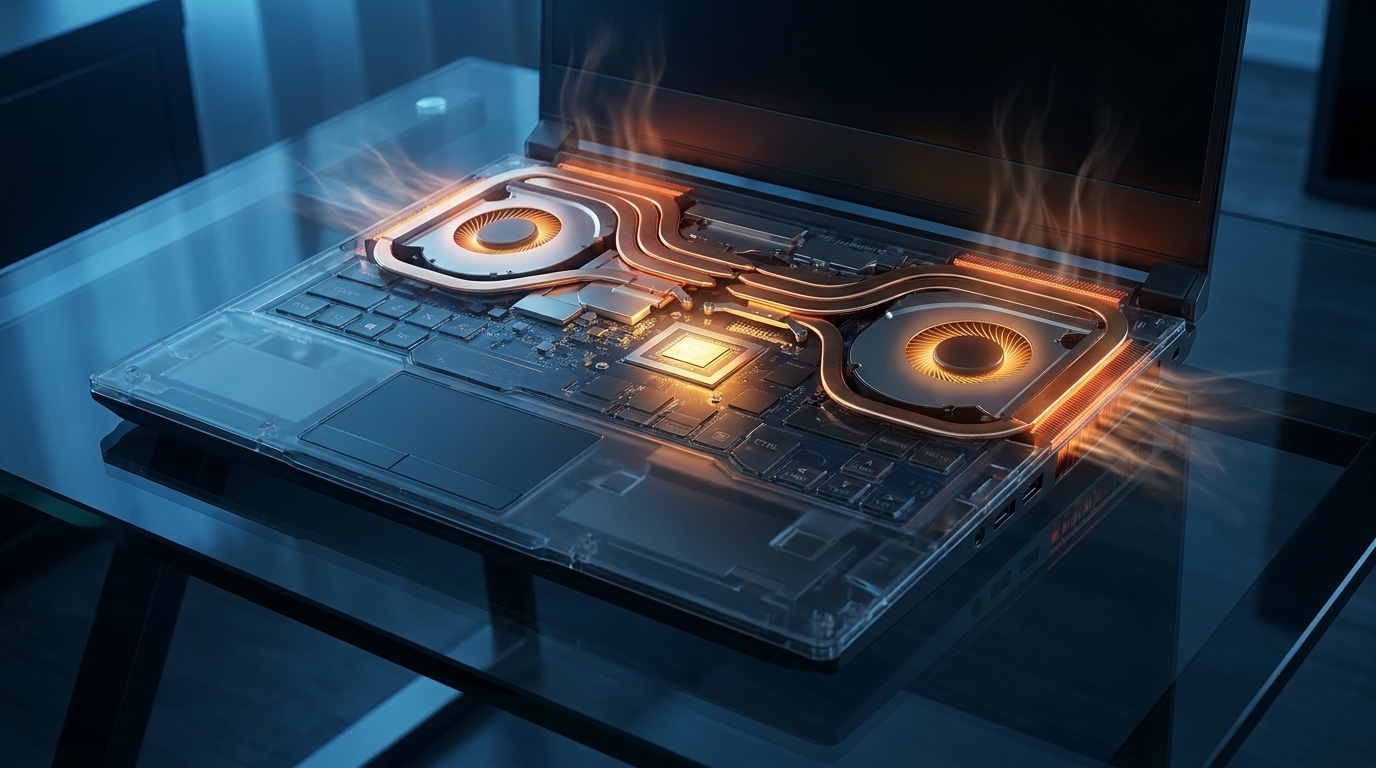
A: Gaming laptops pack powerful CPUs and GPUs into compact chassis, generating immense heat under load. Limited space restricts robust cooling solutions, while dust buildup, poor factory thermal paste, and blocked vents further exacerbate the issue. It's a fundamental challenge of cramming desktop-level performance into a portable form factor.
Q: What Are the Top 3 Signs My Gaming Laptop Is Overheating?
A: The top three signs are significant performance drops (thermal throttling), excessively loud and constant fan noise, and the laptop's chassis becoming uncomfortably hot to touch. Other indicators include unexpected shutdowns or visual glitches during gameplay.
Q: How Can I Instantly Lower My Gaming Laptop's Temperature?
A: To instantly lower temperatures, first, ensure the laptop is on a hard, flat surface. Elevate it with a stand or even a book to improve airflow beneath. Next, activate max fan speed settings if available in your laptop's software. Temporarily lowering in-game graphics settings can also reduce the load and subsequent heat generation.
Q: Are Cooling Pads Worth It According to Reddit Gamers?
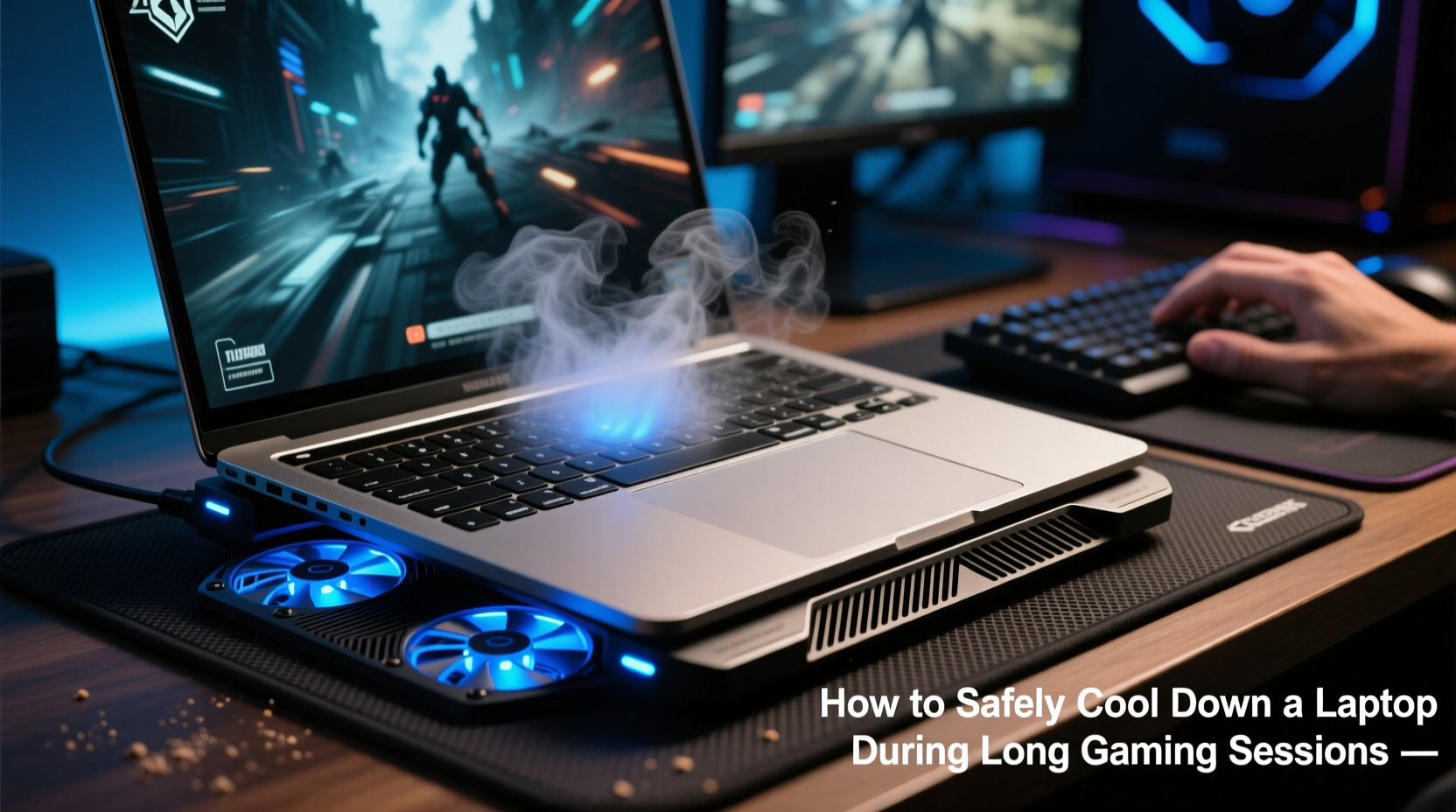
A: Many Reddit gamers highly recommend cooling pads, especially those with powerful fans designed to force air directly into the laptop's intake vents. While not a magic bullet, a good cooling pad can reduce temperatures by several degrees Celsius, which is often enough to prevent thermal throttling and improve comfort.
Q: When Should I Consider Undervolting My Gaming Laptop's CPU?
A: You should consider undervolting if you're experiencing high CPU temperatures (above 85C) and thermal throttling, even after ensuring proper ventilation and cleaning. Undervolting can reduce voltage and heat without performance loss, but it requires careful testing with tools like ThrottleStop to ensure stability.
Q: What's the Best Long-Term Solution for Gaming Laptop Heat?
A: The best long-term solution involves a combination of consistent maintenance, such as regular dust cleaning and updating thermal paste every 2-3 years, alongside optimizing software settings like undervolting and custom fan curves. Using a good cooling pad and ensuring proper environmental airflow also contributes significantly to sustained cool operation.
For many dedicated gamers, whether you're unwinding after a long day or connecting with friends in a social co-op game, a smooth, uninterrupted experience is paramount. You've invested in a gaming laptop for its power and portability, but then the inevitable question pops up in your mind, often after a particularly intense session: "do gaming laptops overheat reddit"? You're not alone in searching for answers; it's one of the most common concerns echoed across gaming communities, from Discord servers to the sprawling discussions on Reddit. With approximately 87% of US gamers engaging regularly, often for 10 or more hours weekly, the quest for optimal performance and longevity from our cherished machines is real. We're not just looking for hype; we need practical solutions that fit into our busy lives, allowing us to enjoy our passion without constant technical headaches.
This guide cuts through the noise to bring you the tried-and-true wisdom of the gaming community, focusing on what truly works. We know you value your time and your gear, seeking ways to optimize performance and get the best value for your money. Whether you're dealing with performance dips in your favorite free-to-play title or simply want to ensure your machine lasts for years, understanding and managing laptop heat is crucial. We'll dive deep into why gaming laptops get hot, how to spot the signs of overheating, and, most importantly, provide actionable steps to keep your system cool, performant, and ready for your next adventure. Let's make sure your gaming laptop stays as chill as your post-work gaming session.
Do Gaming Laptops Overheat Reddit Users' Top Concerns?
Yes, absolutely. The question "do gaming laptops overheat reddit" is a perpetual hot topic, consistently appearing in subreddits like r/GamingLaptops, r/pcmasterrace, and r/techsupport. Users frequently report high temperatures, thermal throttling, and subsequent performance drops during demanding games. The consensus among the community is that while some heat is normal due to the powerful components packed into a compact chassis, excessive overheating is a legitimate concern that impacts both current gameplay and the long-term health of the device. Many Reddit threads are dedicated to sharing temperature benchmarks, cooling pad recommendations, and undervolting techniques, highlighting the community's collective effort to tackle this pervasive issue.
Why Do Gaming Laptops Overheat During Play?
Gaming laptops overheat primarily because they house powerful, high-performance components like CPUs and GPUs in a very confined space. These components generate significant heat when under load, especially during graphically intensive games. Unlike desktop PCs with ample airflow and large cooling solutions, laptops have limited room for effective heat dissipation. Factors contributing to overheating include: inadequate internal cooling systems, dust buildup obstructing vents, poor thermal paste application from the factory, ambient room temperature, and using the laptop on soft surfaces that block airflow. The constant demand of modern games pushes these components to their limits, leading to increased heat output.
What Are the Signs Your Gaming Laptop Is Overheating?
Recognizing the signs of an overheating gaming laptop is crucial for proactive management. The most obvious indicator is a noticeable drop in gaming performance, often referred to as thermal throttling, where the CPU or GPU automatically reduces its clock speed to prevent damage. Other common signs include: the laptop's chassis feeling excessively hot to the touch, especially around the keyboard and exhaust vents; loud and constantly running cooling fans; unexpected system shutdowns or blue screens of death; visual glitches or artifacting on screen; and a general slowdown of the operating system even outside of gaming. Monitoring your CPU and GPU temperatures with software like HWMonitor or MSI Afterburner can also provide quantitative proof of high temps.
How Can I Prevent My Gaming Laptop From Overheating?
Preventing overheating involves a combination of hardware management and software optimization. Start with ensuring proper airflow: always use your laptop on a hard, flat surface. A dedicated cooling pad can provide additional airflow from below, often making a significant difference. Regular cleaning of dust from fan vents with compressed air is essential. You can also explore software solutions like undervolting your CPU (reducing voltage without sacrificing performance) or setting custom fan curves. For more advanced users, replacing the thermal paste on your CPU and GPU with a higher-quality compound can drastically improve heat transfer. Keep your operating system and graphics drivers updated, as these often include performance and thermal optimizations. Finally, avoid blocking the exhaust vents at all costs.
What Are the Best Cooling Solutions Recommended by Gamers?
The Reddit community frequently discusses and recommends several cooling solutions. Here are some top picks:
- Cooling Pads: Brands like IETS GT500, Klim Wind, and Notepal Cooler Master are often cited for their powerful fans and effective designs. The IETS GT500, though bulkier, is especially popular for its seal that forces air directly into the laptop's intake.
- Laptop Stands: Even a simple stand that elevates the laptop, allowing for better natural airflow underneath, can be highly effective.
- Repasting: Upgrading thermal paste to high-quality options like Arctic MX-4, Noctua NT-H1, or Thermal Grizzly Kryonaut is a common and highly recommended mod for experienced users.
- Undervolting: Using Intel XTU (for older Intel CPUs) or ThrottleStop to undervolt the CPU can reduce heat generation with minimal impact on performance.
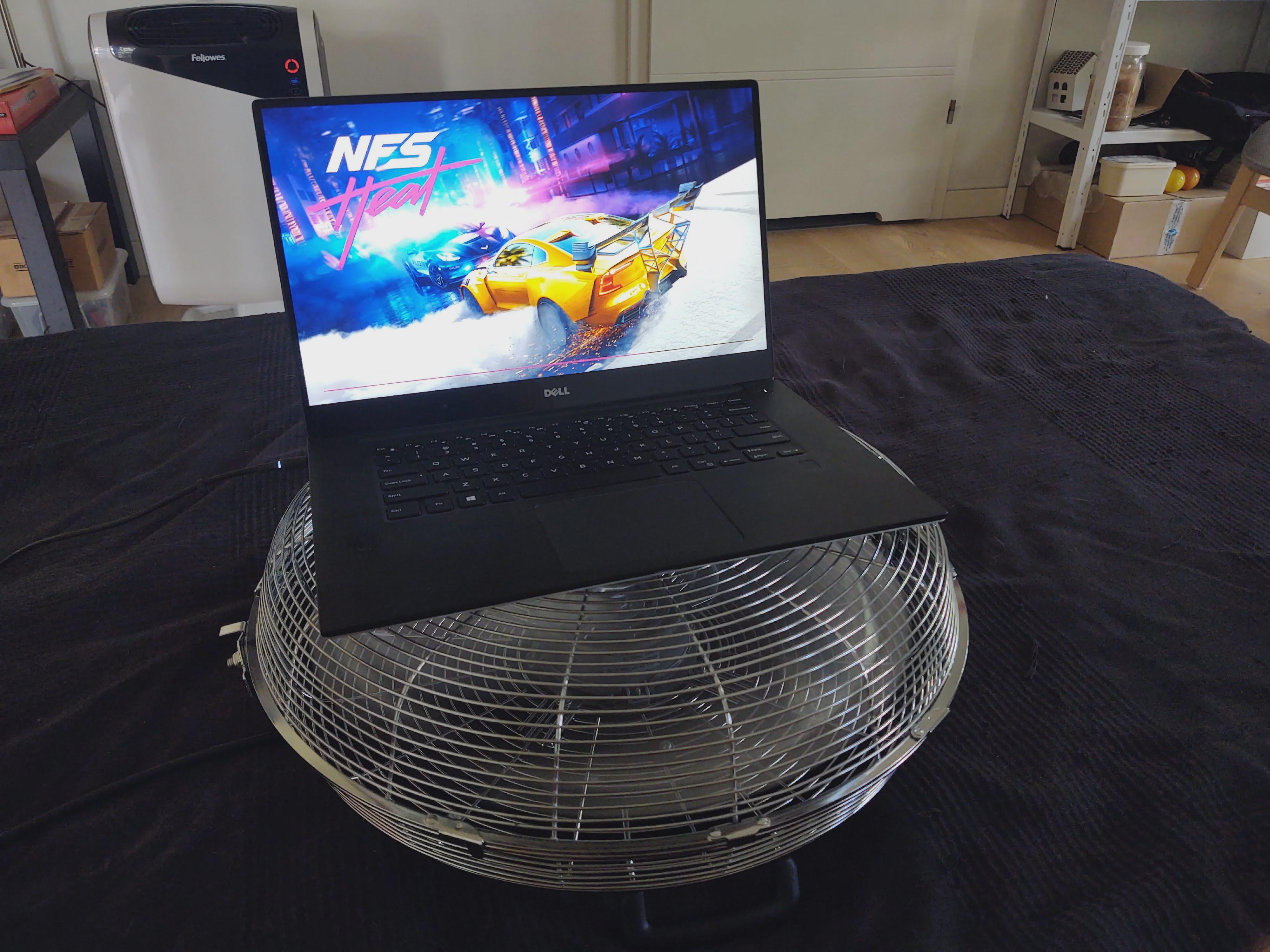
- External Fans: Some users experiment with small external fans directed at the laptop's intake vents.
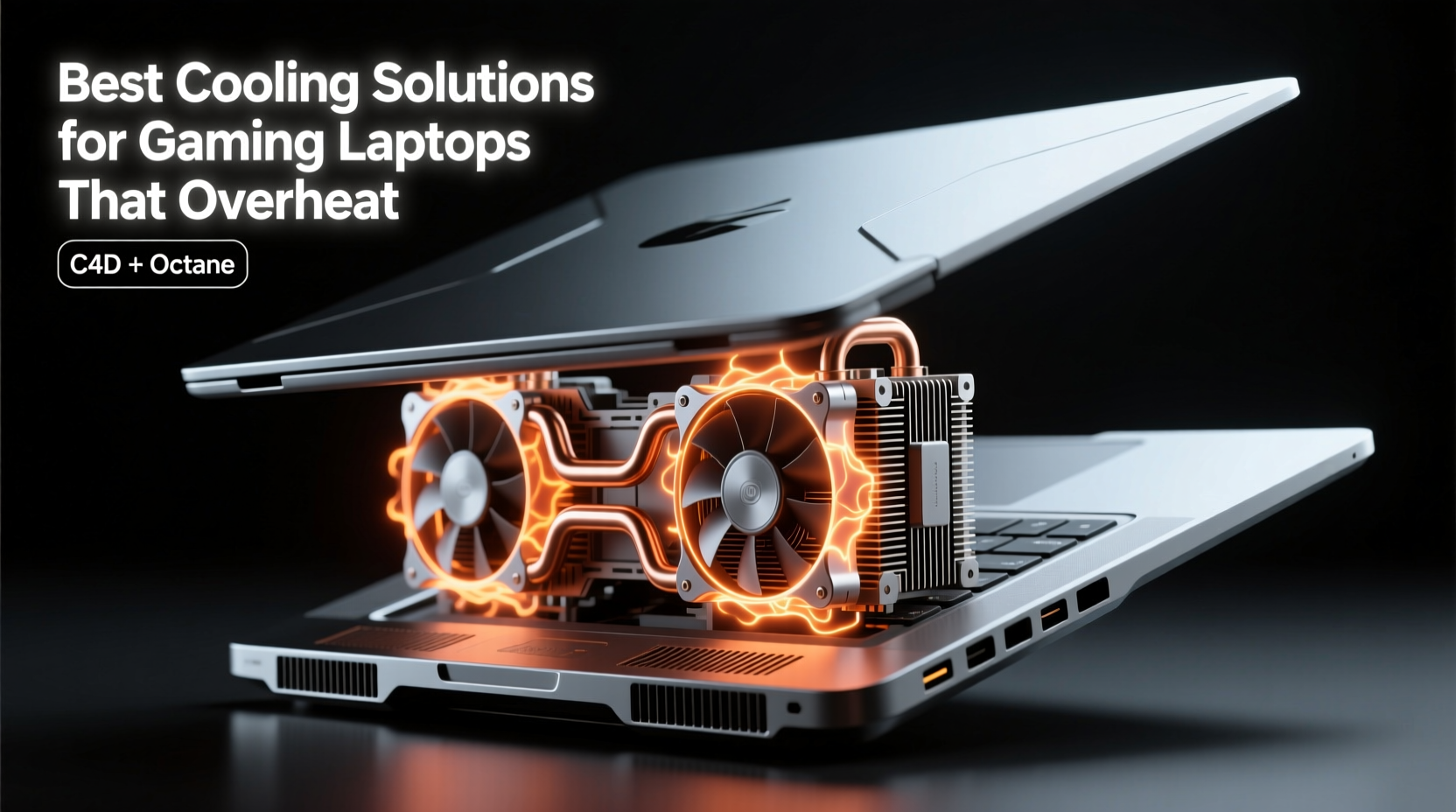
These solutions collectively aim to improve airflow, enhance heat transfer, and reduce the overall thermal load on the internal components.
When Should I Consider Repasting My Gaming Laptop CPU/GPU?
Consider repasting your gaming laptop's CPU and GPU if you notice consistently high temperatures despite other cooling efforts, or if your laptop is several years old. Factory thermal paste, especially on budget models, can degrade over time or might not have been applied optimally to begin with. Many gamers on Reddit report significant temperature drops (sometimes 10-20 degrees Celsius) after replacing old paste with high-quality aftermarket compounds. While it requires some technical know-how and can void warranties, it's a highly effective way to revitalize an older laptop's thermal performance. If you're comfortable opening your laptop and following a guide, it's a worthwhile upgrade for any serious gamer. For the average gamer, this is typically considered after 2-3 years of heavy use.
Are There Software Solutions to Manage Laptop Heat?
Yes, several software solutions can help manage your gaming laptop's heat. These include:
- Undervolting Tools: ThrottleStop (for Intel CPUs) and MSI Afterburner (for GPUs) allow you to reduce the voltage supplied to your components, which in turn lowers heat generation without significantly impacting performance.
- Fan Control Software: Many gaming laptops come with their own utilities (e.g., Armoury Crate for ASUS, OMEN Gaming Hub for HP, LegionFanControl for Lenovo) that allow you to customize fan curves, making them spin faster at lower temperatures.
- Power Management Settings: Adjusting Windows power plans to a balanced or power-saver mode when not gaming can reduce background heat. During gaming, ensure your performance profile is active, but consider limiting CPU boost clocks if thermal throttling is severe.
- Game Settings Optimization: Lowering in-game graphics settings, especially demanding options like ray tracing or anti-aliasing, can reduce the load on your GPU and thus decrease heat output.
Using these tools effectively requires some experimentation to find the right balance for your specific laptop model and gaming habits.
How Does Overheating Affect Gaming Performance and Laptop Lifespan?
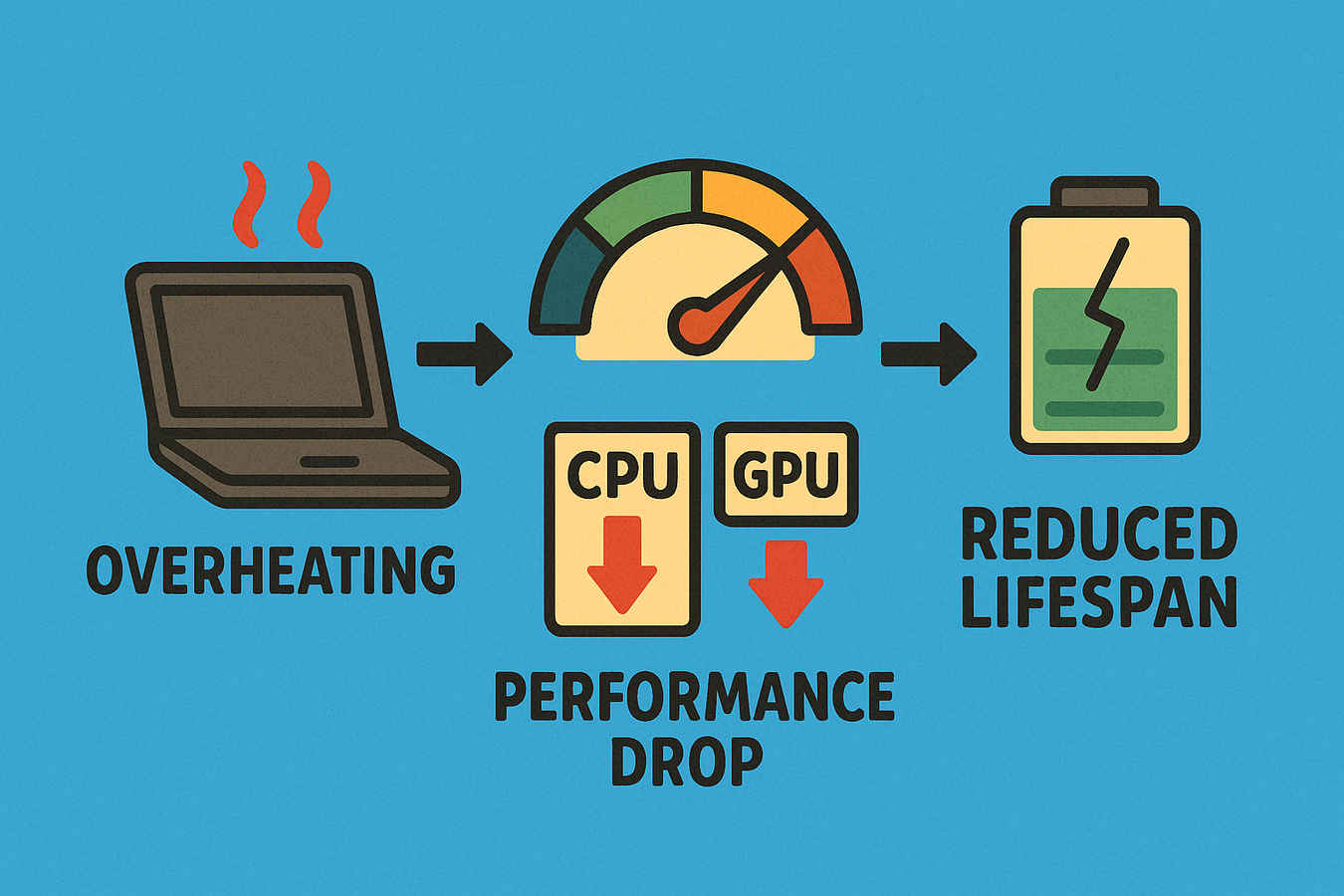
Overheating severely impacts both immediate gaming performance and the long-term lifespan of your gaming laptop. When components reach dangerously high temperatures, they initiate "thermal throttling." This means the CPU and GPU automatically reduce their clock speeds to prevent damage, leading to noticeable frame rate drops, stuttering, and an overall sluggish gaming experience. Over time, sustained high temperatures can degrade hardware components, particularly the battery, SSD, and even solder joints. This accelerates wear and tear, potentially leading to premature hardware failure. It's akin to driving a car constantly redlining its engine; while it might perform for a while, its longevity will be significantly compromised. Regular temperature management is crucial for keeping your laptop responsive and extending its useful life.
What Maintenance Tips Can Extend My Gaming Laptop's Life?
Beyond active cooling solutions, consistent maintenance is key to extending your gaming laptop's life and preventing overheating. Here are essential tips:
- Regular Cleaning: At least every 3-6 months, use compressed air to clear dust from fan vents and heatsinks. For more advanced users, carefully opening the laptop to clean internal components more thoroughly is recommended.
- Firmware & Driver Updates: Keep your laptop's BIOS/UEFI firmware, graphics drivers, and operating system up to date. Manufacturers often release updates that include thermal optimizations and bug fixes.
- Software Management: Regularly uninstall unused programs, manage startup applications, and perform disk cleanup to reduce unnecessary background processes that can generate heat.
- Battery Care: Avoid constantly charging your laptop to 100% and immediately unplugging it. Many modern laptops have battery care settings that can limit charging to 80% or 60% to prolong battery health, which is sensitive to heat.
- Check Thermal Paste: As mentioned, consider reapplying high-quality thermal paste every 2-3 years, especially if you notice rising temperatures.
- Monitor Temperatures: Get into the habit of occasionally checking your CPU and GPU temperatures, even if just to establish a baseline for what's normal for your system.
These proactive steps can significantly contribute to a cooler, longer-lasting gaming machine, ensuring your investment continues to deliver peak performance for years to come.
As we've seen, the question "do gaming laptops overheat reddit" isn't just about a simple yes or no; it's a gateway to a community of gamers seeking practical, budget-friendly solutions to a common problem. By understanding the causes, recognizing the signs, and implementing a mix of hardware and software strategies, you can significantly improve your laptop's thermal performance and extend its lifespan. From simple steps like using a laptop stand to more advanced endeavors like repasting, there are solutions for every comfort level and budget. Remember, a cooler laptop is a happier laptop, and a happier gamer. What's your biggest gaming challenge when it comes to keeping your gear in top shape? Comment below and share your wisdom with fellow gamers!
FAQ Section
Q: Is it normal for a gaming laptop to reach 90C?
A: While high, temperatures around 90C for CPU and GPU can be common under heavy load in gaming laptops due to their compact design. However, sustained periods at 90C or higher can lead to thermal throttling and may shorten component lifespan. It's generally advisable to aim for temperatures below 85C for prolonged gaming.
Q: Does putting my gaming laptop on a cooling pad actually help?
A: Yes, in most cases, a good quality cooling pad can significantly help. They provide additional airflow to the laptop's intake vents, helping to dissipate heat more effectively, especially if your laptop's base has limited clearance or your internal fans are struggling.
Q: How often should I clean the fans in my gaming laptop?
A: It's recommended to clean your gaming laptop's fans and vents with compressed air every 3 to 6 months. If you game in a dusty environment or have pets, you might need to clean it more frequently to prevent dust buildup from impeding airflow.
Q: Can gaming laptop overheating damage the battery?
A: Yes, prolonged exposure to high temperatures can degrade your laptop's battery over time, reducing its overall capacity and lifespan. Heat is a major enemy of lithium-ion batteries, causing them to hold less charge and wear out faster.
Q: Is undervolting safe for my gaming laptop?
A: Undervolting is generally safe when done correctly, as it reduces the voltage supplied to the CPU/GPU without lowering performance, thereby generating less heat. It doesn't cause physical damage but can lead to system instability if pushed too far. Always proceed cautiously and test thoroughly.
Q: What are the best free tools to monitor laptop temperatures?
A: Popular free tools for monitoring gaming laptop temperatures include HWMonitor, HWInfo64, and MSI Afterburner (which also has an OSD for in-game monitoring). These provide real-time data on CPU, GPU, and other component temperatures.
Common causes of gaming laptop overheating, Impact of overheating on performance and longevity, Reddit community's top cooling tips and tricks, Best practices for preventing thermal throttling, Essential maintenance for optimal heat management, Software and hardware solutions for cooler gaming.
35
Does Gaming Laptops Overheat What You Need To Know Laptop Is Overheating . Laptop Overheating While Working Or Gaming Here S What You Can Do Laptop Overheating . Does Gaming Laptops Overheat What You Need To Know Do Gaming Laptops. How To Fix Overheating Laptops Causes Solutions Prevention How To Fix Overheating Laptops Ft . Laptop Overheating And Fan Noise What Buyers Need To Know In 2026 8.1


How To Safely Cool Down A Laptop Overheating During Long Gaming Sessions . Best Cooling Solutions For Gaming Laptops That Overheat . How To Reduce Laptop Overheating While Gaming Simple Tips For Cooler . CPU Overheating On Charging R Laptops Cpu Overheating On Charging V0 . Top 5 Best Laptops For StudentS In 2026 Budget To Premium Why Does My Laptop Overheat Even When Im Not Using Heavy Apps 1024x536

What Happens When My Computer Overheats At Janita Huang Blog Methods To Fix Laptop Overheating While Gaming2 . Causes Of Laptop Overheat At Kirsten Nord Blog DJTRLJJXc0w . What To Do If Your Pc Is Overheating At Kathleen Flores Blog . How To Fix An Overheating Laptop Easy Solutions How To Fix An Overheating Laptop.webp. Spilled Water On Your Laptop Here S What To Do Immediately Laptop 2026
How To Keep Your Gaming Laptop Cool Complete Cooling Guide Image 1 Gaming Laptops Overheat 1 . Why Phones And Laptops Overheat During Gaming Why Phones And Laptops Overheat During Gaming 747x420 . Laptop Overheating Problem How To Stop Overheating Laptop SLYI Images Laptop Overheating 8 Common Causes . Does Gaming Laptops Overheat What You Need To Know Overheating Laptop Chch . Does Gaming Laptops Overheat What You Need To Know Laptop Overheating Warning Critical Temperature Alert Screen Prevent System Failure Data Loss Crucial Warning Light 371099744


Does Gaming Laptops Overheat What You Need To Know Why Does My Laptop. Effective Solutions For Overheating Laptops What To Do When Your Laptop Overheats . Why Your Laptop Is Overheating While Gaming And How To Fix It Fast Laptop Overheating While Gaming 1 . Do Gaming Laptops Need Cooling Stands Or Are They Just A Gimmick Frame 9228 . Gaming Laptop Overheating Does A Cooler Really Reduce Temps



Why Gaming Laptops Overheat How To Fix It YouTube . Laptop Overheating While Working Or Gaming Here S What You Can Do Laptop Overheating 80x44 . 7 Easy Tips To Prevent Laptop Overheating While Gaming 2 1 7419f168 Deac 43e1 8fd1 . Solusi Cepat Saat Laptop Overheat Di Tengah Kerja Promedia Computer Penyebab Laptop Overheat . Unraveling The Truth Do Gaming Laptops Overheat BPC Technology Dalle APRAJ



How To Fix If Laptop Overheating While Gaming Laptop Overheating While Gaming Thumbnail . The Best Cheap Gaming Laptops For 2026 Tested For Gaming Top 3 Gaming Laptops Of 2026 - The Ultimate Guide . Cooling Matters Why Your Gaming Laptop S Thermal Design Can Make Or Why Overheating Is Major Issue In Laptops . How To Properly Cool Your Laptop Io . Heat Management 101 Gaming Laptops And Temperature BPC Dalle IW7J5