Navigating the world of PC gaming in 2026 can feel overwhelming especially when you are balancing work family and a tight budget This comprehensive guide is designed for the savvy gamer an average 36 year old who dedicates over 10 hours a week to their passion but needs smart solutions to optimize performance without breaking the bank Discover how to pick the best components on a budget troubleshoot common setup issues and enjoy the latest social and cozy games trending this month This article provides actionable tips for maximizing value upgrading wisely and staying current with gaming trends like crossplay and free to play titles Its your ultimate resource for building a high performance gaming PC that fits your lifestyle and wallet ensuring you can unwind socialize and level up without financial stress
How do I pick the best CPU and GPU for my budget build without overspending?
Choosing your CPU and GPU is like picking the dynamic duo for your gaming PC. For CPUs, look for the sweet spot: AMD's Ryzen 5 series (like a 5600 or 7600 if you can stretch) or Intel's i5 (12th or 13th gen) offer fantastic multi-core performance for gaming and everyday tasks. They won't break the bank and deliver superb value. For GPUs, focus on cards that crush 1080p and can flirt with 1440p. Think NVIDIA RTX 3050, 3060, or AMD RX 6600 XT, 6700 XT. These are the workhorses that deliver great frames per dollar. Always check benchmarks for the games you actually want to play, as performance varies. Don't fall for the hype of the absolute latest and greatest; one generation back often gives 80% of the performance for significantly less cash, making it perfect for your best PC budget build.
What common mistakes should I avoid when building my first budget gaming PC?
Building your first PC is exciting, but avoid these common traps! First, don't cheap out on the Power Supply Unit (PSU). A bad PSU can literally take down your entire system. Get a reputable brand with a good efficiency rating. Second, ensure compatibility! Double-check that your CPU socket matches your motherboard, and your RAM is the correct type (DDR4/DDR5) and speed supported by your CPU and motherboard. Third, don't forget storage – an NVMe SSD (at least 1TB) is non-negotiable for fast boot and load times; hard drives are too slow for primary gaming. Finally, manage cables for good airflow; it prevents overheating, especially in a budget case where cooling might be basic. Rushing through the build often leads to missed connections or components not seated properly, so take your time and follow a good guide.
Can I really play new AAA games on a budget PC, and what compromises will I make?
Absolutely, you can play new AAA games on a well-optimized best PC budget build in 2026, but you’ll need to manage your expectations and make smart compromises. You likely won't be playing every title on Ultra settings at 4K resolution. The key is aiming for 1080p resolution, and possibly 1440p if you're lucky, with a mix of medium to high graphics settings. Shadows, anti-aliasing, and ray tracing (if present) are usually the first settings to lower as they are very resource-intensive. Frame rate targets might be 60 FPS instead of 120+ FPS, which is still perfectly smooth for a great experience. Many modern games are also very scalable, offering extensive graphics options to fine-tune performance on diverse hardware. So yes, get ready to game, just be smart about your in-game settings!
How important is cooling in a budget gaming PC, and what are affordable solutions?
Cooling is surprisingly important, even for a budget gaming PC, to ensure stable performance and component longevity. Overheating can lead to "thermal throttling," where your CPU or GPU reduces its speed to prevent damage, causing frame drops and poor performance. Affordable cooling doesn't mean neglecting it. Start with your case: ensure it has good airflow with front intake and rear exhaust fan mounts. Many budget cases come with one or two fans, which is a good start. Adding an extra case fan (often under $15-20) can make a big difference. For your CPU, the stock cooler included with AMD Ryzen CPUs is often adequate for budget builds. If you're using an Intel non-K series CPU or want slightly better temps, a budget air cooler like a Cooler Master Hyper 212 or a Deepcool AK400 is a fantastic upgrade for under $30-40. Avoid expensive AIO liquid coolers unless you really stretch your budget and have specific needs.
Where can I find reliable reviews and benchmarks for budget components?
Finding trustworthy information is vital for your best PC budget build. Tech review sites like Gamers Nexus, Hardware Unboxed, Tom's Hardware, and PCGamer are goldmines for in-depth reviews and benchmarks. They often test components across various games and resolutions, providing real-world performance data. For video content, YouTube channels such as Gamers Nexus, Hardware Unboxed, Linus Tech Tips, and JayzTwoCents offer excellent build guides, comparisons, and budget-focused recommendations. Always cross-reference information from multiple sources to get a balanced perspective. User reviews on retail sites like Amazon, Newegg, and Micro Center can also offer insights into common issues or positive experiences with specific budget components. Remember to look for reviews from the last 6-12 months to ensure relevance to current pricing and driver updates.
What's the best way to optimize my budget PC's software for gaming performance?
Optimizing your software is almost as important as your hardware for gaming performance. First, always keep your GPU drivers updated directly from NVIDIA or AMD's website – these updates often include game-specific optimizations. Second, ensure Windows is updated, and consider using "Game Mode" if available. Third, close all unnecessary background applications and browser tabs while gaming; every bit of RAM and CPU cycle counts. Fourth, check your in-game settings; lower demanding options like shadows, reflections, and anti-aliasing before reducing texture quality, which can make a game look blurry. If your PC is still struggling, consider uninstalling bloatware or performing a clean Windows installation periodically. Lastly, keep your SSD from getting too full; aim for at least 15-20% free space for optimal performance.
Are there any hidden costs I should be aware of when planning a budget PC build?
Yes, hidden costs can sneak up on you! While your core budget is for the PC tower, don't forget peripherals. A monitor, keyboard, mouse, and headset are essential for gaming and can easily add $200-$400+ to your total. Factor in the cost of a Windows operating system license (though free trials or cheaper OEM keys exist, be cautious with the latter). You might also need a Wi-Fi adapter if your motherboard doesn't have built-in Wi-Fi. Other small costs could include thermal paste (if your cooler doesn't come pre-applied), cable ties for management, and even a USB flash drive for Windows installation. Planning for these extras upfront ensures your best PC budget build doesn't go over budget before you even boot up your first game.
Hey fellow gamers! Ever feel like keeping up with the latest gaming trends and hardware is a full-time job on top of your actual full-time job and family responsibilities? You're not alone. We know the struggle is real when you’re trying to balance slaying dragons or building empires with paying bills and managing life. The average US gamer, around 36 years old, spends over 10 hours a week unwinding in virtual worlds, proving that gaming is more than a hobby – it's a vital part of our relaxation and social lives. But with new titles demanding more power and hardware prices seemingly always climbing, building the best PC budget build can feel like an impossible quest.
The good news is, you absolutely don't need to empty your savings account to enjoy a fantastic gaming experience in 2026. This guide is crafted for gamers like you who value smart spending, optimal performance, and staying connected with friends online. We'll cut through the hype and show you how to build a powerful, budget-friendly PC that runs your favorite games. From picking components to troubleshooting, we'll ensure your investment delivers maximum fun without financial stress. Let's make your best PC budget build a reality!
What is the ideal budget for a powerful gaming PC in 2026?
For a truly capable gaming PC in 2026 that can comfortably play most modern titles at 1080p high settings or even 1440p medium, a sweet spot for the tower itself typically falls between 700 and 1000 US dollars. This range allows for a balanced configuration, including a capable CPU, a dedicated mid-range GPU, sufficient RAM, and fast NVMe SSD storage. Going much lower might force too many compromises on performance, leading to a less satisfying experience. Exceeding 1000 dollars starts pushing beyond a strict budget category, often providing diminishing returns. Remember, this budget is for core components only; factor in extra costs for peripherals. Planning within this 700-1000 dollar bracket ensures a genuinely enjoyable best PC budget build.
Which components offer the best value for a budget gaming PC build?
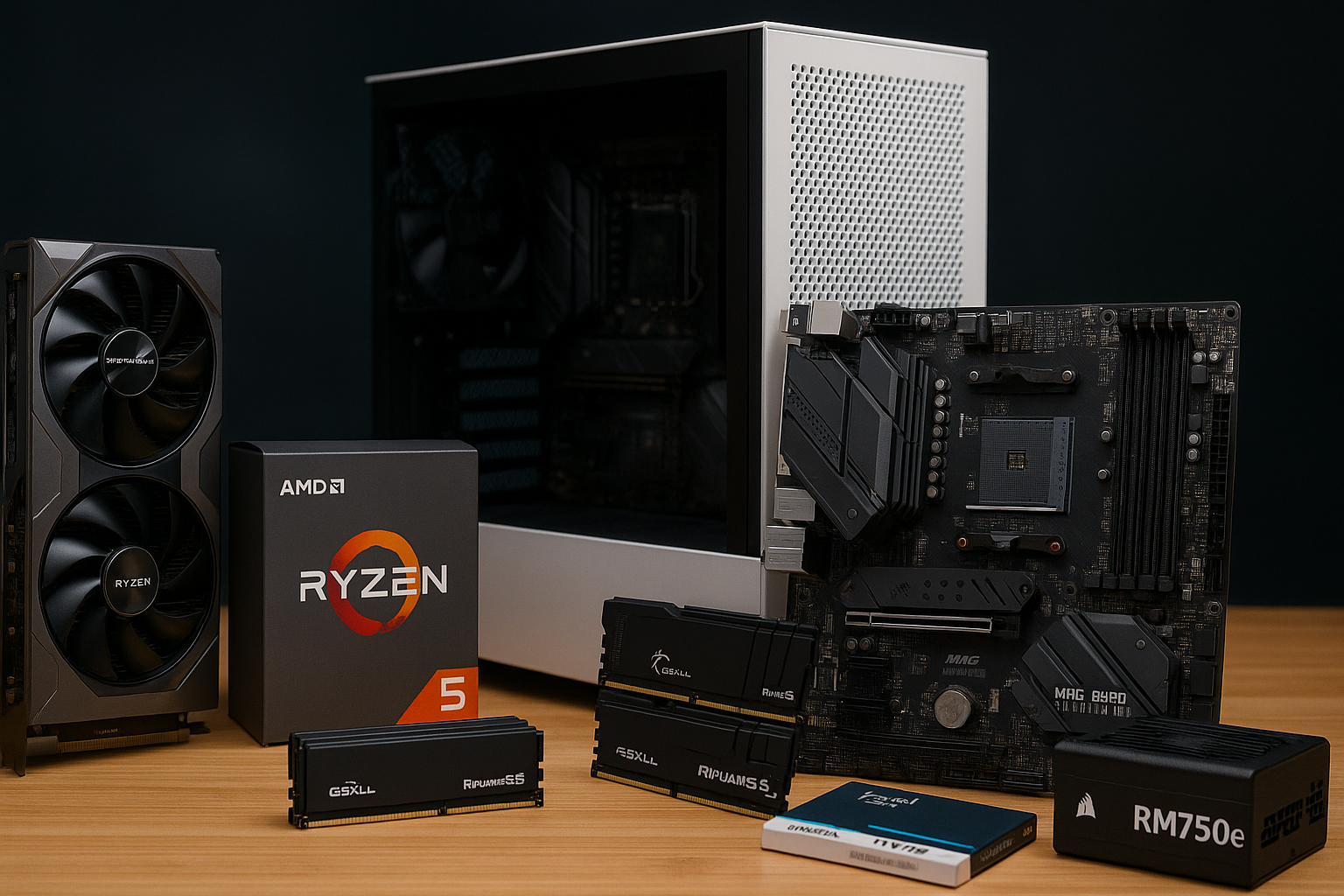
For your best PC budget build, prioritizing performance per dollar is crucial. For the CPU, AMD's Ryzen 5 series (like the 5600 or 7600) or Intel's i5 series (12th/13th gen) deliver excellent multi-core performance for gaming and multitasking without excessive cost. In GPUs, mid-range champions like NVIDIA GeForce RTX 3050/3060 or AMD Radeon RX 6600 XT/6700 XT are fantastic for 1080p and even some 1440p gaming. Don't skimp on 16GB of DDR4 3200MHz or DDR5 5600MHz RAM. A 1TB NVMe SSD is essential for fast loading times. Finally, a reliable 550W-650W power supply from a reputable brand and a basic, well-ventilated case will complete your value-packed setup. These choices ensure optimal performance without breaking the bank.
How can I save money on components without sacrificing too much performance?
Smart shopping is essential for your best PC budget build. First, consider previous generation components; a GPU or CPU from one generation back often offers 80-90% of current performance for significantly less. Second, vigilantly watch for sales and bundles, especially around major holidays, for deep discounts. Third, explore reputable avenues for refurbished or open-box items from trusted retailers. Fourth, prioritize function over aesthetics; a plain case performs just as well as an RGB-laden one, saving cash. Finally, if you're comfortable and diligent in verifying integrity, buying used parts like GPUs from established online communities can yield substantial savings, but always proceed with caution and verify seller reputation. These strategies help maximize your budget effectively.
What are common setup issues and how can I troubleshoot them?
Even seasoned builders encounter snags. A common issue is a "no display" situation. Meticulously check all power connections: 24-pin ATX, 8-pin CPU, and GPU PCIe cables. Reseat RAM sticks firmly. Ensure your monitor is plugged into the dedicated graphics card. Driver problems are frequent; always download the latest drivers directly from NVIDIA or AMD's websites. Component incompatibility can arise; consult your motherboard's QVL for RAM and ensure CPU socket matches. For error codes, online forums and YouTube tutorials are invaluable. Patience and systematic checking will resolve most issues, ensuring a smooth setup for your best PC budget build. Don't hesitate to seek community help.
How do I balance gaming with my job and family life effectively?
Balancing gaming with real-world responsibilities is a skill every adult gamer masters. The key is setting clear boundaries and communicating them. Schedule your gaming time like any other appointment, whether an hour after the kids are asleep or a dedicated weekend block. Prioritize games offering flexibility—quick pick-up-and-play sessions or easy pausing, ideal for limited windows. Many trending social games this month, like Palworld, are perfect for flexible cooperative play. Remember, gaming is for relaxation and fun, not another source of stress. Sometimes, a focused 30-minute session to unwind is more fulfilling than trying to force a longer one when tired. Smart time management ensures your best PC budget build enhances your life without conflict.
Which games are best for limited time and budget-friendly hardware?
For gamers with limited time and a best PC budget build, focus on titles known for good optimization and flexible session lengths. Many free-to-play (F2P) games offer incredible value, requiring no upfront cost, such as Fortnite, Apex Legends, or Valorant—all run well on moderate hardware. Social and cozy games like Minecraft, Stardew Valley, or Among Us are fantastic for shorter, stress-free sessions with friends. Indie games often provide deep experiences with lower system requirements. For AAA titles, look for games released a year or two ago; they're often on sale and have received performance patches, allowing your budget build to shine without struggling with day-one optimization issues. This month, exploring older single-player gems or community-driven multiplayer titles offers great value.
Is it worth upgrading older components on a budget, or should I build new?
This is a common dilemma. If your PC is over 5-7 years old, a complete new best PC budget build often offers a better performance leap and a more stable platform. However, if your existing PC has a relatively modern CPU (Ryzen 2000+ or Intel 8th gen+) and 8-16GB RAM, a targeted GPU upgrade can provide a significant boost. Swapping an HDD for an NVMe SSD is another highly impactful, budget-friendly upgrade. Evaluate your current bottleneck: if your GPU is consistently at 100% usage while gaming, that's your first upgrade target. If your CPU is maxed out, a platform overhaul might be needed. Strategic upgrades can extend your PC's life for years.
How do I ensure my budget PC build is optimized for performance?
Optimizing your best PC budget build involves more than just hardware; software plays a huge role. Firstly, keep your operating system and, crucially, your GPU drivers up to date. Secondly, manage background processes by closing unnecessary applications while gaming. Thirdly, adjust in-game settings: start by lowering demanding options like shadows, anti-aliasing, and view distance before touching texture quality. Many games have built-in benchmarks or optimization guides. Fourthly, ensure adequate cooling; even a budget build needs good airflow. Finally, consider clean installing your OS periodically to clear out digital clutter and improve overall system responsiveness. A well-maintained budget PC can often outperform a more expensive, poorly optimized one, ensuring peak performance for your investment.
What are the social gaming trends in 2026 and how can my budget PC participate?
Social gaming is absolutely thriving in 2026, with 87% of US gamers regularly engaging in multiplayer experiences, averaging 10+ hours/week. Your best PC budget build is perfectly equipped to join these trends! Cross-play between PC, consoles, and mobile is now common, ensuring you connect with friends across platforms. Discord remains essential for team play and community building. Popular trends this month include cooperative survival games (e.g., Palworld), social deduction, and sandbox titles emphasizing player interaction. Many of these, from free-to-play giants like Fortnite to community-driven favorites like Valheim, are well-optimized and don't demand top-tier hardware. This makes your budget PC an ideal platform for diving headfirst into the social side of gaming, connecting and unwinding without performance limitations.
Building the best PC budget build in 2026 doesn't have to be a headache. By making smart component choices, leveraging sales, and understanding how to optimize your setup, you can create a powerful gaming machine that respects your wallet and your busy life. Remember, the goal is to enjoy your games, connect with friends, and relax – not to stress over specs you don't truly need. Whether you're diving into trending social games or revisiting classic single-player adventures, your budget build is more than capable.
What's your biggest gaming challenge with a budget setup? Share your thoughts and questions in the comments below!
FAQ: Best PC Budget Build
Is a 700 dollar PC good enough for gaming in 2026? Yes, a well-planned 700 dollar PC build in 2026 can offer excellent 1080p gaming performance on high settings for most popular titles, and even some 1440p on medium settings. Focus on a strong CPU/GPU pairing and an SSD.
What's the most important component in a budget gaming PC? The GPU (graphics card) is generally the most crucial component for gaming performance, as it directly handles rendering game visuals. However, a balanced build with a capable CPU is also essential to avoid bottlenecks.
Can I use integrated graphics for gaming on a budget? While integrated graphics have improved, they are still primarily suitable for very light or older games at low settings. For a true "gaming PC," a dedicated graphics card is highly recommended, even a budget one.
Should I buy new or used parts for my budget PC? For maximum savings, a mix of new and carefully selected used parts (especially GPUs from reputable sellers) can be beneficial. However, for peace of mind and warranty, new parts are always safer. Research seller reviews thoroughly.
How often should I upgrade my budget gaming PC? For a budget build, upgrading key components like the GPU or adding more RAM every 2-3 years can keep it competitive. A full platform overhaul (CPU, motherboard, RAM) might be needed every 5-7 years to keep up with major generational shifts.
What are the best games for social play on a budget PC? Many popular social and cooperative games like Palworld, Among Us, Minecraft, Fortnite, or Valorant are well-optimized and run great on budget PCs. These titles emphasize player interaction over graphical intensity.
Build your best gaming PC on a budget optimize performance troubleshoot common issues choose cost effective components balance gaming with life enjoy trending social games smart upgrades for value
35



The Best Gaming PC Builds For 2026 Top Picks And Reviews Best Pc Build . Best Gaming PC Builds For 2026 Best Gaming PC Builds For 2026.webp. The Ultimate Budget Gaming PC Build Guide Step By Step To 1080p Gaming Best Budget Gaming PC Builds For 2026.webp. Best Gaming PC Builds 2026 Every Budget Resolution Buildhelper Back . Top 10 Best Desktop Computers 2026 For Home Office And Work Lenovo Legion Tower 5i 2026 Budget Desktop Computer For Home Office Among Best Desktop


Best Gaming PC Builds For 2026 Budget To 8K Ultimate YouTube Oar2 . Best Budget Gaming PC Build 2026 Affordab Gaming PC Guru Best Itx Gaming Pc Build 2026 800x500 . Top 10 Best Desktop Computers 2026 For Home Office And Work Lenovo Legion Tower 7i 2026 High Performance Desktop Computer With RGB Lighting Featured In. Building An Enthusiast Grade PC Build For 2026 GeekaWhat FI DM87 HAVN BF RTX 5090 Build . Best Gaming PC Build 2026 Top Picks For Every Budget PC Game Haven Best 800 Dollar Gaming Pc Build 2020 1


Best Budget Gaming PC Build 2026 High Performance Best Budget Gaming Pc Build 2026 Parts List. Best Budget Gaming PC Build In India For 2026 Affordable Rs 30 000 Best Budget Gaming PC Build In India For 2026 854x503 . Best PC Builds For Gaming 2026 Ultimate Guide To Building Your Dream Best PC Builds For Gaming 2026 1024x683 . One Moment Please Best Gaming Pc For Under 500 Dollars Featured 400x250 . Best Gaming PC Builds 2026 Every Budget Resolution 1536x1024



8 Best Gaming PC Builds Under 500 June 2026 Expert Tested Fccj Best Gaming PC Builds Under 500 300x164 . The 9 Best Budget CPUs For Gaming In 2026 Reviewed Ranked Slide11 . Best Budget Gaming PC Build With High Performance Best Budget Gaming PC Build In 2025.webp. Best Gaming PC Builds For Every Budget 2026 Pc Builds For Every Budget.webp. Best For Custom PC Builds In 2026 AMD Intel Buyer S Best For Custom Pc Builds 2026
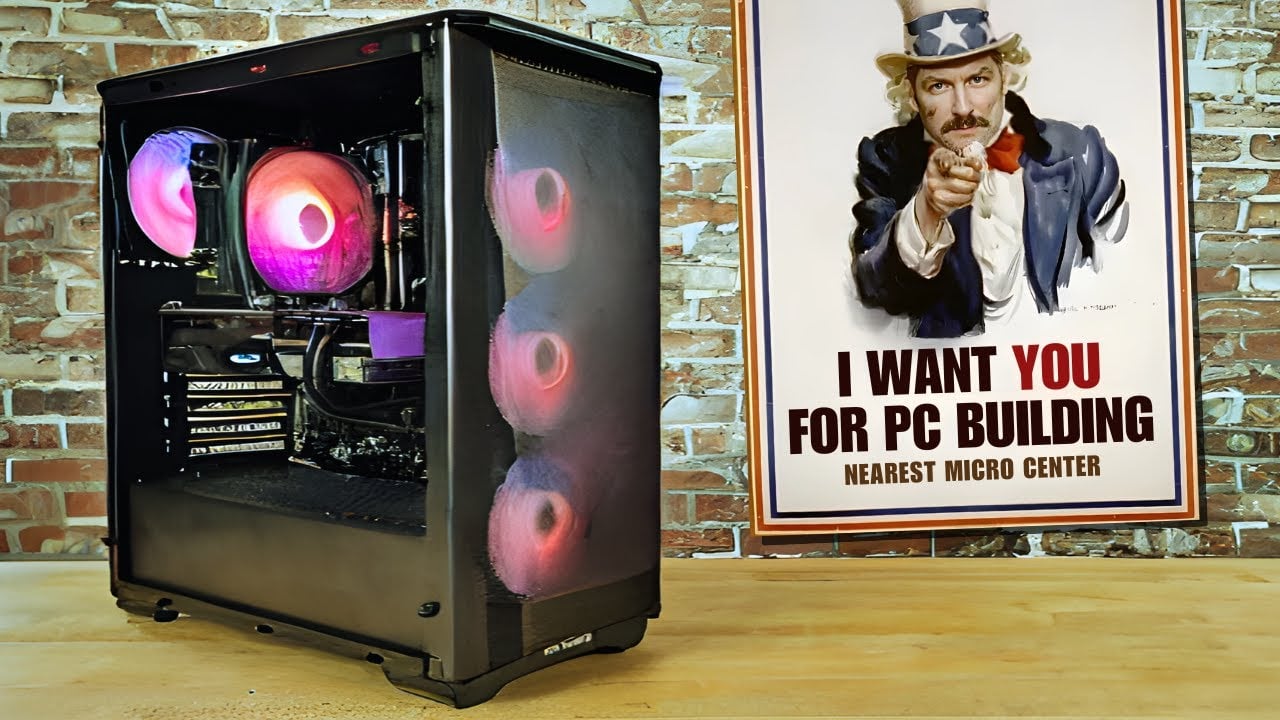
Best Budget Gaming PC Builds For 2026 500 800 Pc Build Help . How Much Does It Cost To Build A Gaming PC In 2026 Full Budget Guide Low Cost PC For Gaming 768x402 . Best PC Cases 2026 Our Tested Picks For Your Next Build Tom S Hardware . Best Budget Gaming PC Build 2026 PC Guide Best Budget Gaming Pc . Best Budget Gaming PC Builds For 2026 500 800


Best Gaming PC Build 2026 Top Picks For Every Budget PC Game Haven Best High End Gaming Pc Build 1500 Dollars 1 . Best Budget Gaming PC Builds For 2026 500 800 Thermaltake Versa H16 150x150 . Best 1500 Gaming PC Build 2026 Ryzen 7 7800X3D RTX 5070 1440p 4K 1536x1024 . Best 800 Gaming PC Build In 2026 800 Gaming PC Build 2026.webp. 2026 Best Budget Gaming Pc Build With Intel Ultra 7 265K And RTX 5060 Oardefault


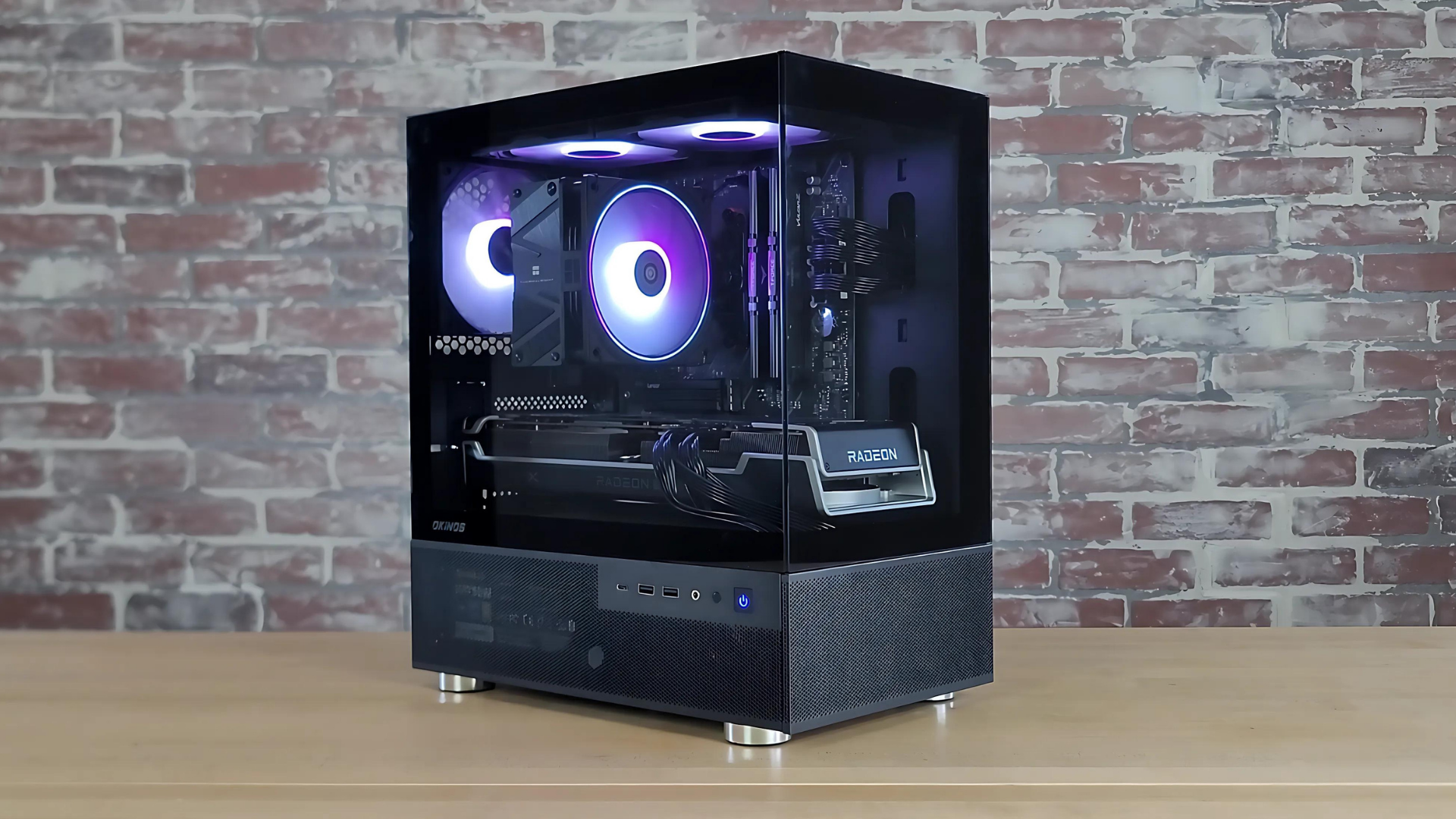
Best Budget Gaming PC Builds For 2026 500 800 Okinos Cypress 5 . Top R15 000 PUBG Gaming PC 2026 Best R15 000 Gaming Pc For Pubg South Africa 2026 Banner.webp. 30 000 Budget PC Build 2026 Cheap Gaming PC Build 30K 30K Oardefault . 2026 Minecraft PC Builds R10k R50k Minecraft Pc Price Guide 2026 Builds R10k R50k Banner.webp. The Best PC You Can Build In 2026 For Under Rs 1 25 Lakh 91mobiles Com