Navigating the crowded market for a new gaming monitor in 2026 can feel overwhelming especially when balancing life work and precious gaming time. This comprehensive guide simplifies the process by breaking down essential features like refresh rate response time panel type and resolution. Learn how to choose a monitor that enhances your gameplay without overspending. Discover trending technologies like OLED and MiniLED understand adaptive sync benefits and optimize your setup for peak performance. Whether you are a casual player or a competitive enthusiast this article offers practical actionable advice on how to buy a gaming monitor tailored to your specific needs and budget ensuring every moment spent gaming is truly immersive and rewarding. Its a must read for US gamers averaging 36 years old who seek quality performance and value.
What are the top 5 natural questions gamers ask when buying a monitor?
Gamers frequently ask: 1. What's the best refresh rate for my games? 2. Is 4K worth it or should I stick to 1440p? 3. What's the real difference between IPS VA and OLED panels? 4. Do I really need G-Sync or FreeSync? 5. How much should I spend to get a good gaming monitor without breaking the bank?
How do I know what size gaming monitor is right for my setup?
Choosing the right monitor size depends on your desk space viewing distance and primary game genres. For competitive esports 24-27 inches is often preferred to keep all action in view. For immersive single-player or ultrawide experiences 32 inches or a 34-inch ultrawide can be excellent. Measure your desk and consider how far you sit from the screen to ensure comfortable viewing without excessive head movement. Most gamers find 27 inches at 1440p to be an ideal balance.
What display technologies are trending for gaming monitors this month and why should I care?
This month's trends include QD-OLED and Mini-LED technologies. QD-OLED offers unparalleled contrast perfect blacks and vibrant colors with improved brightness over traditional OLED making it a premium choice for visual fidelity. Mini-LED enhances traditional LCDs with thousands of dimming zones for superior HDR and contrast nearing OLED performance without burn-in concerns. These innovations provide incredible visual upgrades for immersive gaming experiences.
Are ultrawide monitors good for both productivity and gaming?
Absolutely! Ultrawide monitors (21:9 or 32:9 aspect ratios) are fantastic for both. For gaming they offer an incredibly immersive panoramic field of view in supported titles. For productivity they provide immense screen real estate, allowing you to multitask efficiently with multiple windows open side-by-side, often replacing a dual-monitor setup. Just ensure your GPU can handle the increased pixel count for gaming performance.
How important is HDR for gaming monitors in 2026?
HDR (High Dynamic Range) is increasingly important in 2026, dramatically enhancing visual immersion by delivering greater contrast, brighter highlights, and a wider color gamut. This means more realistic scenes, dazzling explosions, and deeper shadows in compatible games. While true HDR requires a premium monitor (DisplayHDR 600+), even mid-range HDR implementation offers a noticeable visual upgrade over Standard Dynamic Range (SDR), making games feel more vibrant and lifelike.
How can I effectively calibrate my new gaming monitor for the best visuals?
To effectively calibrate your new gaming monitor start by setting the native resolution and highest refresh rate in your GPU control panel. Then use the monitor's On-Screen Display (OSD) to adjust brightness, contrast, and color temperature to your preference. Many monitors have specific gaming presets; experiment with these. For basic color accuracy, use Windows' built-in color calibration tool. For advanced calibration, consider a hardware colorimeter for professional-grade results.
What's the best way to future-proof my gaming monitor purchase in 2026?
To future-proof your gaming monitor in 2026 prioritize a high refresh rate (144Hz+), a resolution of 1440p or 4K, and Adaptive Sync (G-Sync/FreeSync). Look for monitors with modern connectivity like HDMI 2.1 (for consoles) and DisplayPort 1.4. Consider emerging technologies like QD-OLED or Mini-LED for superior image quality. These features ensure compatibility with upcoming hardware and games, maximizing your investment's longevity.
What are common mistakes to avoid when buying a gaming monitor?
Avoid these common mistakes: 1. Buying a high refresh rate monitor without a GPU powerful enough to drive high frame rates. 2. Ignoring response time for competitive gaming, leading to motion blur. 3. Overlooking connectivity options, especially HDMI 2.1 for modern consoles. 4. Disregarding ergonomics, leading to discomfort during long sessions. 5. Chasing the cheapest option without considering panel quality or adaptive sync, which are crucial for a good experience.
Hey fellow gamers! Ever feel like your precious gaming time is constantly battling your job family and all the other adulting responsibilities? You finally carve out an hour or two to jump into your favorite title only to be met with screen tearing blurry visuals or colors that look washed out. It's frustrating right? In 2026 where 87 percent of US gamers regularly play averaging over 10 hours a week many of us are looking for ways to maximize every second of our digital escape relaxation or competitive grind. We want that crisp immersive experience that makes us forget the laundry list of chores or the looming work deadline.
Choosing the right gaming monitor is one of the most impactful upgrades you can make to elevate your gameplay. It's not just about speed it's about clarity immersion and ensuring your hardware doesn't hold you back. But let's be honest the tech jargon refresh rates response times panel types adaptive sync can feel like learning a new language. You don't have time to sift through endless forums and reviews when you could be dominating in Apex Legends or exploring new worlds in a cozy indie gem. That's why we're here to cut through the hype and give you the straightforward actionable advice you need on how to buy a gaming monitor that perfectly fits your lifestyle and budget.
This guide is for the modern gamer the one who balances life and pixels the one who values smart spending and real performance over marketing fluff. We'll demystify the technical specs address common pain points like setup woes and performance snags and help you make an informed decision so your next monitor truly enhances your gaming life. Let's make sure your hard-earned cash gets you the best visual upgrade possible without any regrets.
What are the absolute must-have specs when buying a gaming monitor?
When you're looking to buy a gaming monitor several core specifications dictate its performance and your overall experience. Think of these as the fundamental building blocks. You'll want to prioritize these based on your gaming style and budget. Key specs include resolution refresh rate response time and panel type. For instance a gamer who primarily plays fast-paced esports titles will prioritize refresh rate and response time over raw resolution while a single-player enthusiast might value high resolution and vibrant colors more.
First up is Resolution which defines the number of pixels displayed. Common resolutions are 1920x1080 (1080p Full HD) 2560x1440 (1440p Quad HD) and 3840x2160 (4K Ultra HD). Higher resolutions offer sharper images but demand more powerful graphics cards. Second is Refresh Rate measured in Hertz (Hz) which indicates how many times per second the image on your screen updates. Higher Hz means smoother motion. Third is Response Time typically measured in milliseconds (ms) which is how quickly pixels can change color. Lower ms means less motion blur. Lastly Panel Type refers to the underlying technology of the display affecting color accuracy viewing angles and response times. The primary types are IPS VA and the increasingly popular OLED.
How much do Refresh Rate and Response Time really impact my gaming?
Refresh rate and response time are critical for a fluid responsive gaming experience especially in fast-paced genres. A higher refresh rate means more frames per second can be displayed resulting in smoother motion and less perceived input lag. For instance moving from a standard 60Hz monitor to 144Hz or even 240Hz makes a noticeable difference in competitive games like Valorant or Call of Duty where every millisecond counts. You'll see enemies faster and react more quickly.
Response time on the other hand tackles motion blur. A lower response time (1ms GTG Gray-to-Gray is ideal) ensures that pixels transition quickly from one color to another preventing ghosting or streaks behind moving objects. This is crucial for maintaining clarity during intense action sequences. While competitive gamers often prioritize 1ms GTG some casual players might find 4ms or 5ms acceptable especially if other features like color accuracy are more important for their preferred game types such as immersive RPGs or strategy games.
Which display panel technology is best for gamers in 2026: IPS, VA, or OLED?
The choice of display panel significantly influences your monitor's visual characteristics. Each has its strengths and weaknesses making one potentially better suited for your specific gaming habits.
- IPS (In-Plane Switching): Offers excellent color accuracy and wide viewing angles making them great for immersive single-player games and content creation. Modern IPS panels have significantly improved response times (often 1ms GTG) making them viable for competitive gaming too. They generally have decent contrast but not the deepest blacks.
- VA (Vertical Alignment): Known for superior contrast ratios delivering deeper blacks than IPS panels which enhances visual depth in dark scenes. However VA panels traditionally have slower response times and narrower viewing angles than IPS. While newer VA panels have improved many still exhibit some ghosting in fast-moving dark areas. They're a good mid-ground for cinematic gaming.
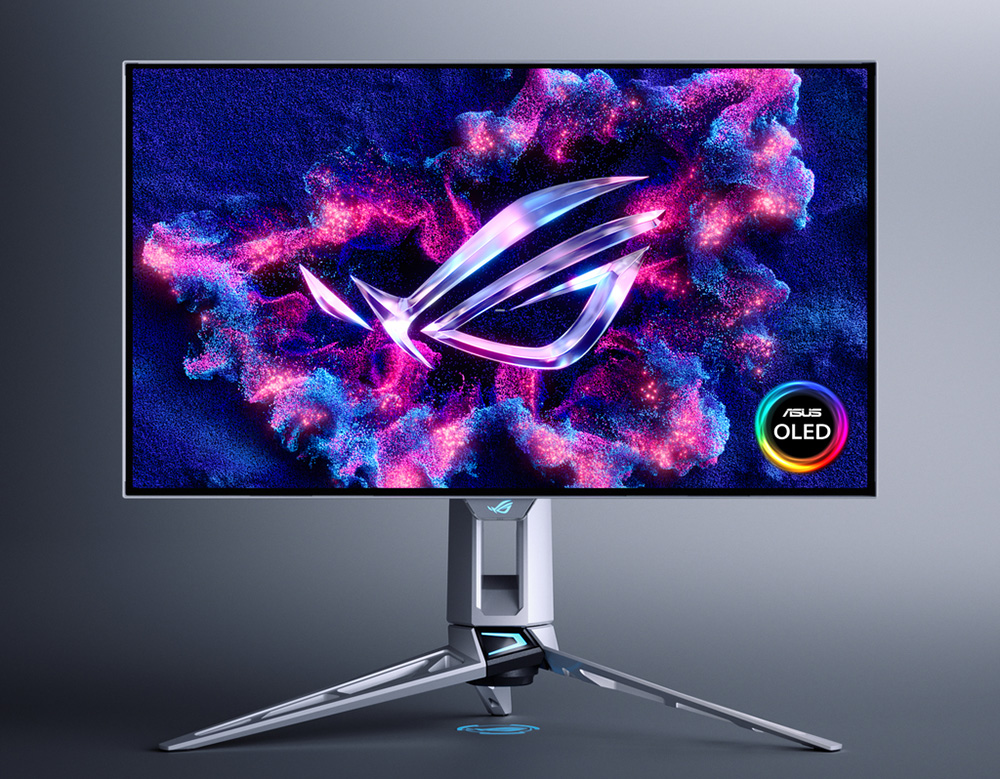
- OLED (Organic Light-Emitting Diode): The current king of image quality. Each pixel emits its own light allowing for perfect blacks infinite contrast incredible color vibrancy and near-instantaneous response times (sub-1ms). OLED monitors provide an unparalleled visual experience for any game type but typically come with a premium price tag and a slight concern for burn-in though modern OLEDs have robust mitigation strategies. QD-OLED (Quantum Dot OLED) specifically offers even higher brightness and color volume. This is a big trend in 2026 for those seeking the ultimate visual fidelity.
For most balanced gamers an IPS panel offers the best all-around performance. If budget allows and visual fidelity is your top priority OLED is the way to go. VA panels remain a solid choice for those who value deep blacks and immersive experiences without the OLED premium.
Do I really need Adaptive Sync (G-Sync or FreeSync) for a smooth experience?
Absolutely yes! Adaptive Sync technologies like NVIDIA's G-Sync and AMD's FreeSync are game-changers for eliminating screen tearing and stuttering. Screen tearing occurs when your graphics card sends frames faster or slower than your monitor's refresh rate resulting in horizontally misaligned images. Stuttering happens when frame rates drop causing a choppy visual experience.
Adaptive Sync synchronizes your monitor's refresh rate with your GPU's frame output. This means your monitor only refreshes when a new frame is ready to be displayed ensuring perfectly smooth motion without tearing or choppiness. For US gamers in 2026 who balance demanding titles with limited time a tear-free smooth experience is invaluable. G-Sync requires a proprietary module in the monitor and is often pricier but offers robust performance with NVIDIA GPUs. FreeSync is an open standard and more widely adopted and compatible with both AMD and newer NVIDIA GPUs (FreeSync Compatible/G-Sync Compatible). If you game on a PC or a modern console like Xbox Series X or PlayStation 5 (which now support some VRR or FreeSync features) an Adaptive Sync monitor is a non-negotiable upgrade for the smoothest gameplay.
What resolution is ideal for my gaming setup and graphics card?
Choosing the right resolution is a balancing act between visual fidelity and performance. You need to match your monitor's resolution capability with your graphics card's power. Pushing a 4K resolution with an older or mid-range GPU will likely result in low frame rates ruining the experience even on a high refresh rate monitor.
- 1080p (Full HD): Still a very popular choice especially for competitive gamers using mid-range GPUs. It's easy for most modern graphics cards to drive high frame rates (144Hz 240Hz+) at this resolution. Monitors are more affordable.
- 1440p (Quad HD): The sweet spot for many balanced gamers in 2026. It offers a significant visual upgrade over 1080p with sharper images and more screen real estate while still allowing modern mid-to-high-end GPUs to achieve high refresh rates (144Hz 165Hz). It's an excellent compromise between visual quality and performance.
- 4K (Ultra HD): Delivers stunning detail and clarity unmatched by lower resolutions. However it's extremely demanding on your graphics card. You'll need a top-tier GPU (like an RTX 4080 or RX 7900 XT or higher) to play demanding games at high frame rates with 4K resolution. This is generally for gamers who prioritize visual splendor in single-player titles or have the budget for premium hardware.
Consider your current or planned GPU. Don't buy a 4K monitor if your GPU can barely handle 1440p at playable frame rates. Aim for a resolution where your GPU can consistently deliver high frame rates (e.g. 60+ fps for casual, 100+ fps for competitive) to fully utilize your monitor's refresh rate.
How can I choose the right monitor size and aspect ratio for my space?
Monitor size and aspect ratio play a huge role in immersion and desk ergonomics. What feels right for one gamer might be overwhelming for another. It's about finding that sweet spot for your gaming setup and visual comfort.
- 24-27 inches (16:9 aspect ratio): These sizes are the most common and versatile. A 24-inch monitor is excellent for competitive esports as it keeps all action within your central vision. A 27-inch offers more screen real estate providing a good balance for both competitive and immersive gaming without needing excessive desk space. Both are ideal for 1080p and 1440p resolutions respectively.
- 32 inches and above (16:9 aspect ratio): These larger monitors are fantastic for deep immersion in single-player cinematic games. However they can be too large for competitive play requiring more head movement. Ensure you have ample desk depth for comfortable viewing.
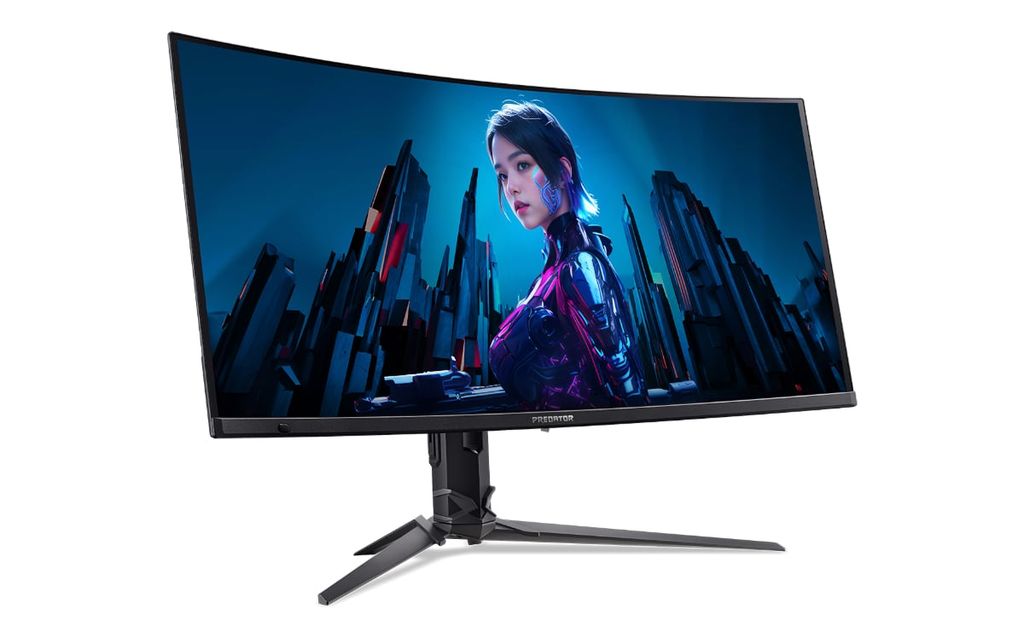
- Ultrawide monitors (21:9 aspect ratio): Ultrawides offer a panoramic view enhancing immersion in supported games. They're also great for multitasking allowing you to have multiple windows open side-by-side effectively replacing a dual-monitor setup. Common sizes are 34-inch and 38-inch. They can be more demanding on your GPU due to the increased pixel count. Curved ultrawides are very popular for enhanced immersion.
- Super Ultrawide monitors (32:9 aspect ratio): These are like having two 16:9 monitors seamlessly merged into one offering extreme immersion. Perfect for flight sims racing games and heavy multitasking but also the most demanding on hardware and desk space.
Always consider your desk size viewing distance and the types of games you primarily play. A large monitor crammed onto a small desk can cause eye strain and make competitive gaming difficult.
What are the latest monitor innovations and trends I should consider in 2026?
The gaming monitor market is always evolving and 2026 brings some exciting advancements that savvy gamers should be aware of. Staying current doesn't mean buying into every hype cycle but understanding what's new can help you make a future-proof choice.
- OLED and QD-OLED Dominance: As mentioned OLED technology continues to mature offering unparalleled image quality. QD-OLED particularly combines OLED's perfect blacks with Quantum Dot technology for higher brightness and color volume addressing previous OLED concerns. Expect more affordable and diverse OLED options across various sizes.
- Mini-LED Backlighting: For LCD monitors Mini-LED offers vastly improved local dimming zones leading to much better contrast and HDR performance closer to OLED without the potential burn-in risk. Many premium LCD monitors are now adopting Mini-LED for an enhanced visual experience.
- Higher Refresh Rates: While 144Hz-165Hz remains the sweet spot for many competitive gamers 240Hz and 360Hz monitors are becoming more common. We're even seeing experimental displays pushing 500Hz+. These are niche for top-tier esports players but indicate where the technology is heading.
- USB-C Connectivity: Increasingly monitors feature USB-C with Power Delivery allowing a single cable to handle video power and data for laptops or compatible devices simplifying cable management and making setups cleaner.
- Smart Monitor Features: Some monitors are integrating smart TV functionalities like built-in streaming apps or even cloud gaming clients allowing you to game without a PC or console connected.
These trends highlight a move towards better visual quality more versatile connectivity and increased convenience. While OLED and Mini-LED are premium features higher refresh rates and improved connectivity are becoming standard across more price points.
How can I find a great gaming monitor without breaking my budget?
Budget is a reality for most gamers especially those balancing other life expenses. You don't need to spend a fortune to get a fantastic gaming experience but smart shopping is key to how to buy a gaming monitor that offers value. Here’s how:
- Prioritize Core Specs: Decide what's most important for *your* gaming. If you mostly play competitive shooters a high refresh rate (144Hz+) and low response time (1ms) at 1080p or 1440p might be better than a 4K 60Hz monitor. If you prefer immersive RPGs you might trade some refresh rate for higher resolution or better panel quality.
- Look for Sales and Deals: Monitor prices fluctuate regularly. Keep an eye out during major sales events like Black Friday Cyber Monday or even seasonal tech sales. Price tracking websites can alert you when a desired model drops in price.
- Consider Refurbished or Open-Box: Many retailers offer certified refurbished monitors or open-box returns at significant discounts. These often come with warranties and are thoroughly checked. This can be a great way to get a premium monitor for less.
- Don't Overbuy: Resist the urge to buy the absolute bleeding edge if your GPU can't drive it or if your gaming style doesn't demand it. A 240Hz monitor is wasted on a system that only pushes 100 FPS.
- Check for Older Models: Sometimes last year's flagship model offers 90% of the performance of this year's model at a significantly reduced price. Researching slightly older but still highly-rated monitors can yield excellent value.
Remember a monitor is a long-term investment. Buying a slightly more expensive but higher-quality monitor that lasts longer and better suits your needs can be more cost-effective in the long run than repeatedly upgrading a series of cheaper but subpar options.
What connectivity ports do I need for my PC and console?
Ensuring your new gaming monitor has the right ports is essential for compatibility with your PC and any consoles you own. Connectivity standards have evolved so knowing what's what will save you headaches.
- DisplayPort (DP) 1.4: This is the go-to connection for PC gaming. DP 1.4 supports high resolutions (up to 4K at 120Hz or 144Hz with DSC) and high refresh rates along with Adaptive Sync technologies like FreeSync and G-Sync. Always aim for DisplayPort if you're connecting a gaming PC.
- HDMI 2.1: Crucial for next-generation consoles like the Xbox Series X/S and PlayStation 5. HDMI 2.1 supports 4K resolution at 120Hz which is what these consoles can output. Many new PC graphics cards also feature HDMI 2.1, making it a versatile option for high-performance setups. Older HDMI versions (1.4, 2.0) are suitable for lower resolutions or refresh rates.
- USB-C (with DisplayPort Alt Mode and Power Delivery): Increasingly common especially on more premium monitors. A single USB-C cable can carry video (DisplayPort Alt Mode) power (Power Delivery) and data for peripherals. This is fantastic for laptop gamers or for simplifying cable management.
- USB Hub: Many gaming monitors include a built-in USB hub (e.g., USB-A ports). These are incredibly convenient for connecting peripherals like your mouse keyboard or headset directly to the monitor minimizing cable clutter on your desk.
Always check the specific port versions. A monitor with multiple DP 1.4 and HDMI 2.1 ports provides the most flexibility for a multi-device gaming setup.
How do I properly set up and calibrate my new gaming monitor for optimal performance?
Getting your monitor out of the box is just the first step. Proper setup and a basic calibration can unlock its full potential ensuring you get the best visuals and performance possible. It’s all about fine-tuning.
- Physical Setup: Assemble the stand and place the monitor at an ergonomic height. Your eyes should be roughly level with the top third of the screen. Adjust tilt and swivel for comfortable viewing. If your monitor supports VESA mounting consider a monitor arm for ultimate flexibility and desk space saving.
- Connect with the Right Cables: Use the highest-standard cable compatible with both your monitor and GPU (e.g. DisplayPort 1.4 for PC HDMI 2.1 for consoles) to ensure you can achieve the maximum resolution and refresh rate.
- Windows/GPU Driver Settings: Once connected go into your operating system's display settings (or your GPU control panel like NVIDIA Control Panel or AMD Adrenalin). Set the correct resolution and most importantly the highest supported refresh rate. Enable Adaptive Sync (G-Sync or FreeSync) if your monitor and GPU support it.
- On-Screen Display (OSD) Settings: Dive into your monitor's OSD menu. Here you can adjust brightness contrast color temperature and often enable specific gaming modes (e.g. FPS mode RTS mode). Experiment with these settings. A common tip is to lower brightness for evening use to reduce eye strain.
- Basic Color Calibration: For general gaming a factory calibration is often sufficient. However for better color accuracy you can use Windows' built-in color calibration tool or online calibration patterns. For serious accuracy consider a hardware calibrator. The goal is a balanced image not necessarily over-saturated colors.
Don't just plug and play. Spending a little time optimizing your settings can significantly enhance your visual experience and might even give you a slight edge in competitive titles.
What about HDR and color accuracy? Are they important for gaming?
High Dynamic Range (HDR) and color accuracy significantly enhance visual fidelity bringing games to life with more vibrant colors deeper blacks and brighter highlights. For gamers balancing life and play every bit of immersion counts.
- HDR: HDR expands the range of light and color that a monitor can display. This means brighter whites darker blacks and a wider spectrum of colors resulting in a more realistic and visually striking image. For example the sun in a game will truly dazzle and shadows will reveal subtle details instead of just being a black blob. While true HDR (DisplayHDR 1000 or higher) often comes at a premium even DisplayHDR 400 or 600 can offer a noticeable improvement over Standard Dynamic Range (SDR) content. Many popular games now support HDR making it a worthwhile consideration for an immersive experience.
- Color Accuracy: Good color accuracy ensures that the colors you see on screen are true to life or as intended by the game developers. While competitive gamers might prioritize refresh rate over perfect color accuracy for immersive single-player games or those with beautiful art styles (like many cozy games trending this month) accurate colors can greatly enhance the visual appeal and immersion. IPS and OLED panels generally excel in color accuracy. For the average gamer good factory calibration is usually sufficient but if you also do creative work a monitor with high sRGB or DCI-P3 coverage and Delta E < 2 is ideal.
In 2026 as display technology advances HDR and improved color accuracy are becoming more accessible. They contribute significantly to the visual 'wow' factor making your gaming sessions more enjoyable and impactful.
Conclusion: Your Perfect Gaming View Awaits
Choosing the right gaming monitor in 2026 doesn't have to be a daunting task. By focusing on your core gaming needs understanding key specifications and making smart budget choices you can find a display that transforms your gaming experience. We've covered everything from refresh rates and response times to panel types and adaptive sync helping you navigate the options like a pro. Remember it's about optimizing your personal enjoyment and performance not just chasing the latest trend. A great monitor means more fun less frustration and truly making the most of your valuable gaming time. Now go forth level up your setup and immerse yourself in those digital worlds!
What's your biggest gaming monitor challenge? Comment below and let's help each other out!
FAQ Section
Is 144Hz refresh rate still good enough for competitive gaming in 2026?
Yes 144Hz remains a strong choice for competitive gaming especially at 1440p. While higher refresh rates like 240Hz or 360Hz offer marginal gains 144Hz provides a significant smoothness upgrade over 60Hz and is excellent for most esports titles offering great value for money. Many pro gamers still find it perfectly adequate.
Should I consider a curved gaming monitor?
Curved monitors enhance immersion particularly with ultrawide aspect ratios by wrapping the image around your peripheral vision. They can be great for single-player cinematic games and racing simulators. However some competitive players prefer flat screens for accuracy and less distortion near the edges. It largely comes down to personal preference and the type of games you play most frequently.
What's the best monitor size for a small desk setup?
For a small desk, monitors between 24 and 27 inches are typically ideal. A 24-inch 1080p provides a sharp image without being too close, and a 27-inch 1440p offers more screen real estate and pixel density. These sizes strike a good balance, preventing eye strain and ensuring optimal viewing distance in limited spaces.
What's the difference between G-Sync and FreeSync?
Both G-Sync and FreeSync are adaptive sync technologies that eliminate screen tearing and stuttering by synchronizing the monitor's refresh rate with your GPU's frame output. G-Sync is NVIDIA's proprietary tech requiring a dedicated module, often pricier. FreeSync is an open standard supported by AMD and increasingly NVIDIA GPUs (G-Sync Compatible) making it generally more affordable and widely available.
Can I use a gaming monitor for work or creative tasks?
Absolutely Many gaming monitors especially those with IPS or OLED panels offer excellent color accuracy suitable for creative work and productivity. Features like high refresh rates and adaptive sync dont hinder daily tasks. In fact larger screen sizes or higher resolutions can boost multitasking efficiency making a gaming monitor a versatile investment for a balanced lifestyle.
How important is HDR for gaming monitors in 2026?
HDR High Dynamic Range is becoming increasingly important offering greater contrast brighter highlights and a wider color gamut for more immersive visuals. While true HDR performance still commands a premium DisplayHDR 600 or higher provides a significant visual upgrade over SDR content making games look more vibrant and realistic. It greatly enhances visual fidelity.
What cables do I need for my new gaming monitor?
For modern gaming you'll primarily need DisplayPort DP 1.4 or HDMI 2.1. DP 1.4 supports high resolutions and refresh rates up to 4K 120Hz/144Hz with DSC. HDMI 2.1 is crucial for next-gen consoles and high-end PCs supporting 4K 120Hz and even 8K. Always use the latest standard your monitor and GPU support for optimal performance and features.
What's the best refresh rate for a balanced gamer?
For a balanced gamer who enjoys both competitive titles and immersive single-player experiences a 144Hz to 165Hz refresh rate is often the sweet spot. It provides a significant boost in smoothness and responsiveness for fast-paced games without the premium cost of 240Hz or higher offering excellent value and a noticeable upgrade from 60Hz.
Are ultrawide monitors a good investment for gaming and work?
Ultrawide monitors 21:9 or 32:9 offer an incredibly immersive gaming experience especially for titles that support the wider aspect ratio by filling your peripheral vision. For productivity they provide ample screen real estate for multitasking effectively replacing a dual-monitor setup. They are a significant investment but can greatly enhance both gaming and work productivity.
Choosing a gaming monitor involves balancing Resolution Refresh Rate Panel Type and Adaptive Sync. Prioritize Response Time for competitive play and consider OLED for stunning visuals. Budget and ergonomics are crucial for a long-term satisfying experience. Latest trends include MiniLED and higher refresh rates.
35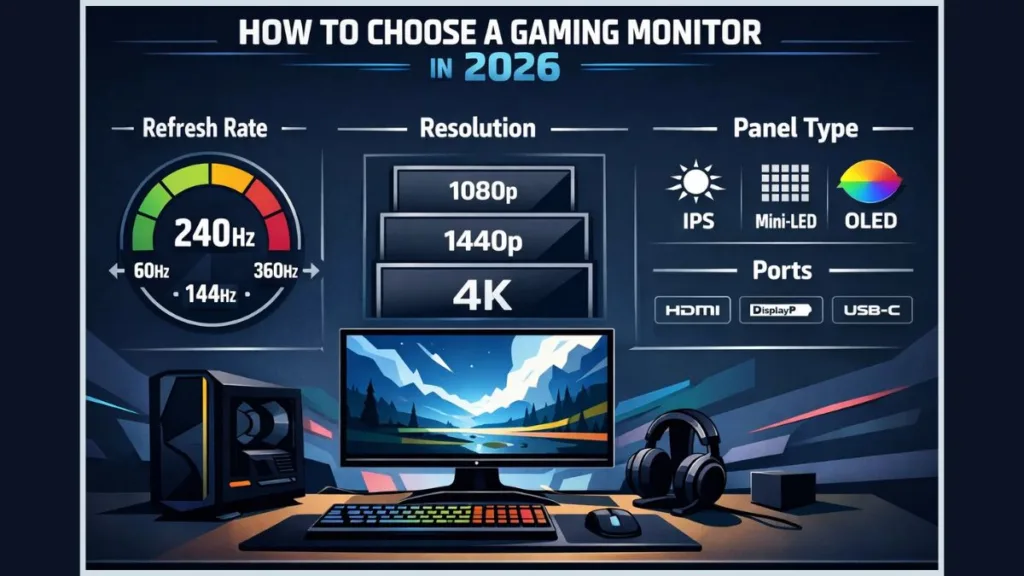
How To Choose A Gaming Monitor In 2026 Complete Gaming Monitor Buying Gaming Monitor Guide 2026. Xiaomi Launches G24i 2026 And G27i 2026 Gaming Monitors In The Xiaomi Launches G24i 2026 And G27i 2026 Gaming Monitors In The Philippines . The Best OLED Gaming Monitors To Buy In 2026 TFTCentral Best Oled Gaming Monitors Thumbnail 2026 768x432 . Xiaomi G34WQi 2026 Curved Gaming Monitor Gets Global Launch G34WQi 2026 . Buy The Best Gaming Monitor 2026 Buy The Best Gaming Monitor 1



Xiaomi Gaming Monitor G27i 2026 Review Solid No Frills Display Can Xiaomi Gaming Monitor G27i 2026 1 1284x722 . Best Gaming Monitors For 2026 Reviews And Bharat Erberbr . Top 10 Best Gaming Monitor 2026 Reviews And Buying Guide Featured Top 10 Best Gaming Monitor 2026 Reviews And Buying.webp. Xiaomi Launches Redmi G27Q 2026 Gaming Monitor At Just 112 Boasts 2K Redmi G27Q 2026 Featured . Xiaomi G24i 2026 G27i 2026 Gaming Monitors Launched Globally Xiaomi Xiaomi Gaming Monitor G24i 2026 G27i 2026 Q2XM0.webp



BEST Gaming Monitor In 2026 Here S What You SHOULD Buy At Every . Samsung Launches World S First 6K 1040Hz Gaming Monitors 2026 Sammy Odyssey 2026 Gaming Monitors . Samsung 2026 Odyssey Gaming Monitor Lineup Best Of High End Samsung 2026 Odyssey Gaming Monitor Lineup 3 . 15 Best Gaming Monitors Of 2026 Ultimate Picks For Seamless Play Top Gaming Monitors 2026 H3rit . Best OLED Gaming Monitors To Buy In 2026 AOC Monitors Buying Guide 2025 For Gaming And Office


Acer Presents 6K 5K 1000 Hz And QD OLED Monitors At CES 2026 Acer X34f 1 . The Best Recommended Gaming Monitors 2026 TFTCentral ROG Swift OLED PG27AQWP Bottom . Best Gaming Monitor 2026 Top Picks For 1080p 1440p And 4K Best Gaming Monitor 2026 . Best 360Hz Monitor 2026 Buying Guide Display Ninja Best Monitors Under 400 USD . Samsung Odyssey 2026 The New Generation Of Gaming Monitors With 6K 3D Samsung T Vs And Displays Odyssey Gaming Monitor Featuring World First 6k 3d And Ultra High Resolution Displays Main3


The Best OLED Gaming Monitors To Buy In 2026 TFTCentral Gaming Monitor Banner 2 768x459 . Samsung 2026 Odyssey Gaming Monitor Lineup Best Of High End Samsung 2026 Odyssey Gaming Monitor Lineup 4 . Best Gaming Monitors For 2026 Top Picks For PS5 Esports More Best Gaming Monitor 768x512 . Best Gaming Monitor 2026 Picks For 1080p 1440p And 4K Switchblade Best Gaming Monitor 2026.webp. Best Gaming Monitors In 2026 The Pixel Perfect Panels I D Buy Myself 650 80


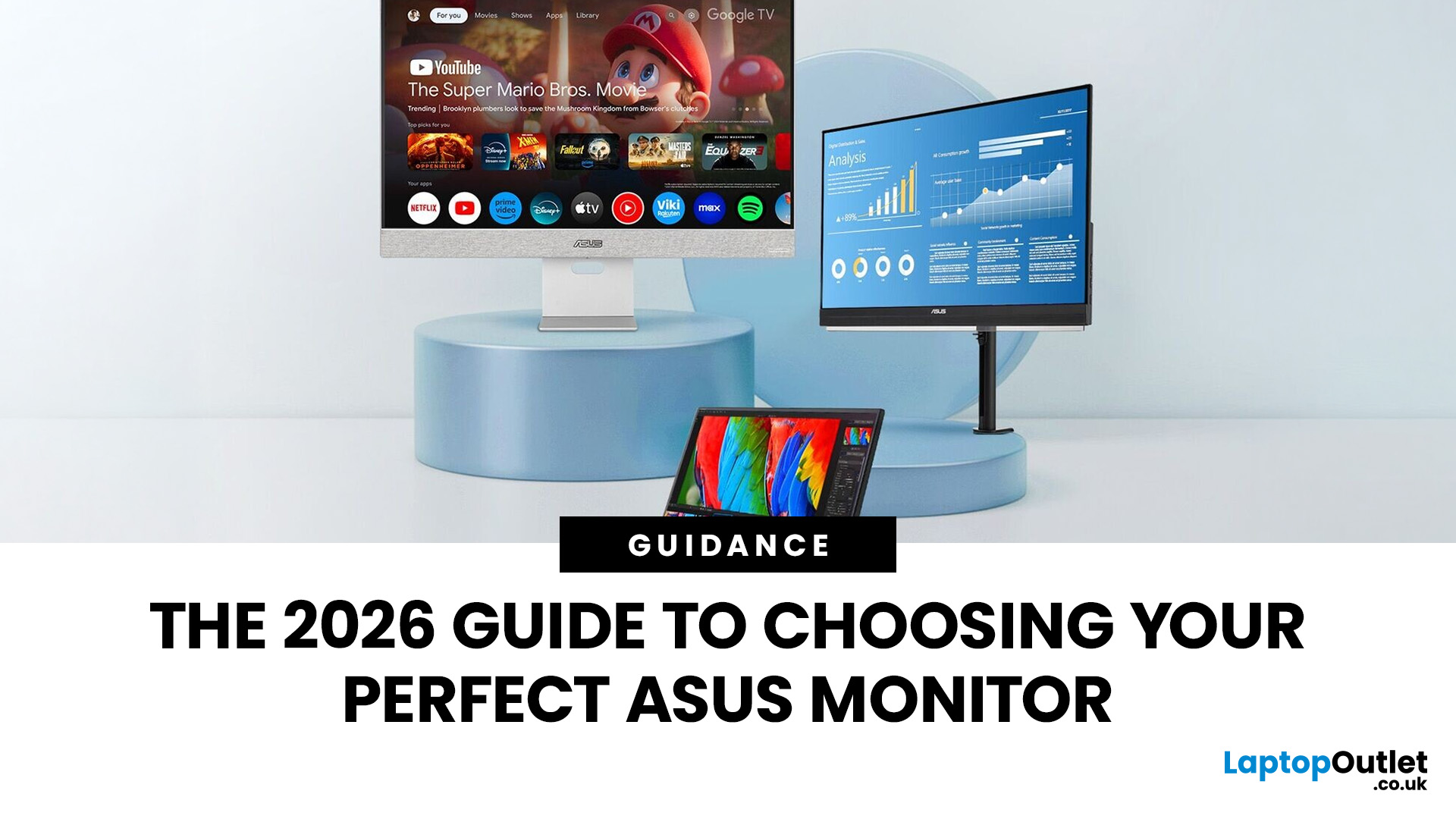
Best 480Hz Monitor 2026 Buying Guide Display Ninja Best HDR Monitors 1024x576 . Best Gaming Monitors 2026 Ultimate Buying Guide For Every Budget Setup The Ultimate Gaming. Best Gaming Monitors To Buy In 2026 Top Picks For Every Budget NoobFeed Asus Rog Monitor . Best 240Hz Monitor In 2026 Our Top Picks For Fast Refresh Rate Best 480Hz Monitor For Gaming 1024x681 . LG Monitors Buying Guide 2026 UltraGear Vs UltraWide Vs UltraFine Vs OLED ASUS Monitors Explained Overview Main


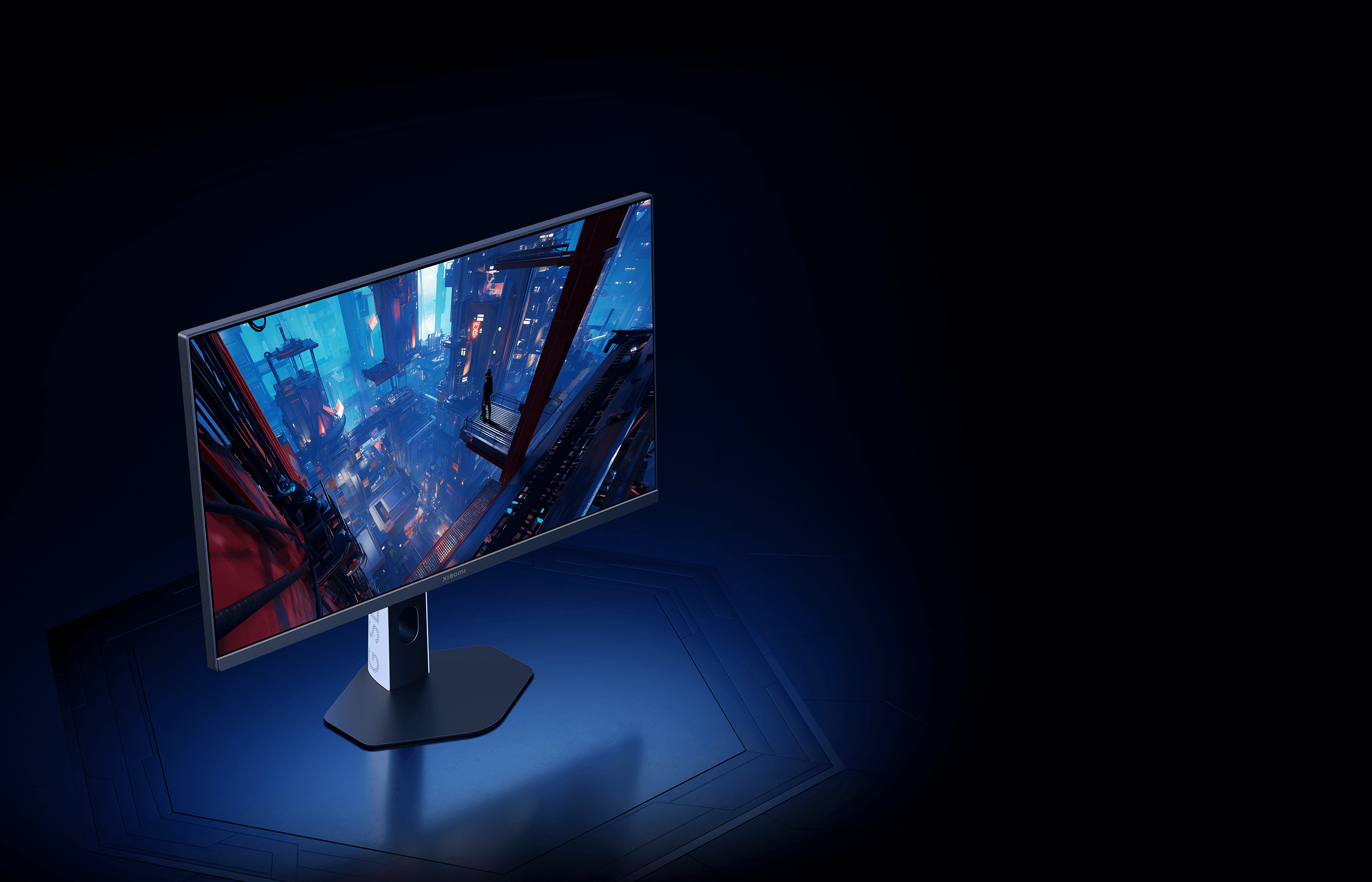
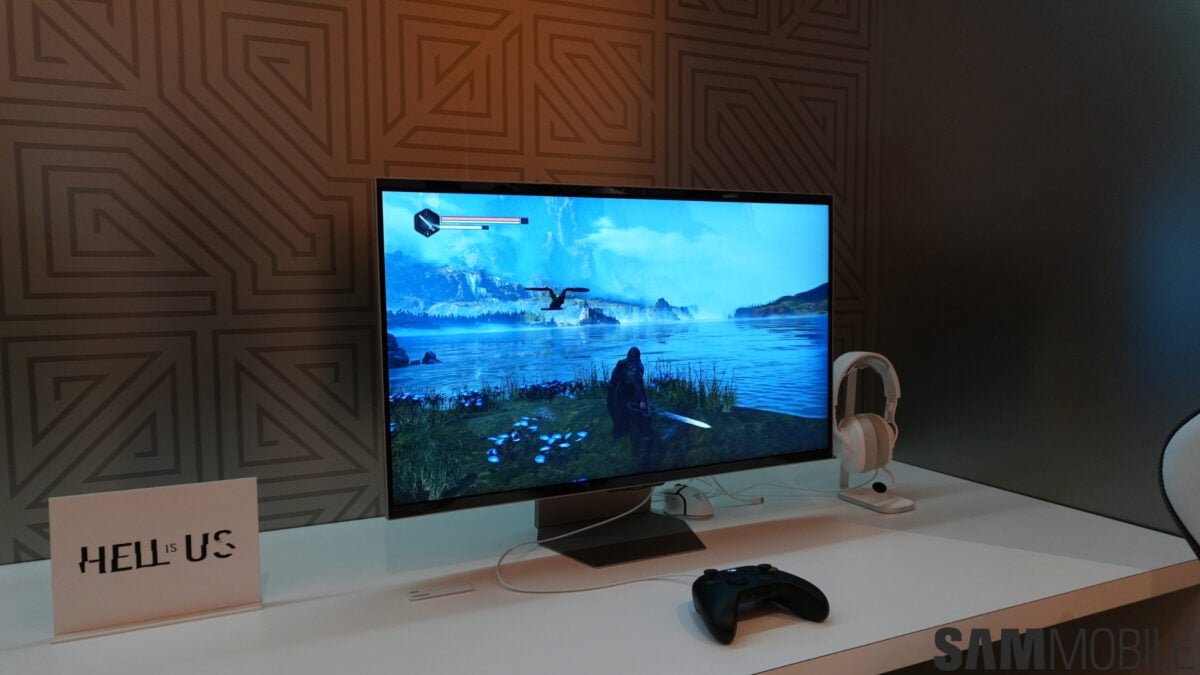
Best 480Hz Monitor Guide 2026 Eye Wateringly Fast Gaming Displays Best 4K Monitor 768x512 . Best Gaming Monitors 2026 Swift OLED PG27AQDM 2 Of 26 . Xiaomi Gaming Monitor G27i 2026 Xiaomi Global . Samsung Showcases Odyssey 3D 6K Gaming Monitor At CES 2026 SamMobile Samsung Odyssey 3D G90XH6K Gaming Monitor CES 2026 1200x675 . 15 Best Gaming Monitors Of 2026 For Smoothest Gameplay And Stunning Top Gaming Monitors 2026 Moiql