Have you ever tried to revisit a beloved Steam game only to find it vanished from the store page or even your library? It is a common and often frustrating experience for many gamers who invest time and money into their digital collections. Understanding why games get removed from Steam and what that means for your access to them is crucial for every PC gamer. This comprehensive guide delves into the various reasons behind these removals, from licensing issues and developer decisions to technical problems. We will explore how these removals impact your ability to play previously purchased titles, discuss strategies to safeguard your gaming library, and provide insights into navigating the sometimes-confusing world of digital game ownership. For busy adults who juggle work, family, and a passion for gaming, knowing these details can save you headaches and help you make informed decisions about your purchases, ensuring your relaxation and fun are not unexpectedly interrupted by a disappearing game. We cover everything from legal battles to unexpected studio closures, offering practical advice and the latest trends in digital rights management. Stay informed and keep your gaming sessions uninterrupted.
What are the most common reasons games are removed from Steam?
The most common reasons games are removed from Steam are expiring licensing agreements for music, intellectual property, or brands; developer or publisher decisions to abandon or delist a game due to studio closures, lack of profitability, or technical issues; and occasionally, legal disputes or severe technical problems that render a game unplayable.
Will I still be able to play a game I already own if it is removed from Steam?
Yes, in most cases, if you have already purchased a game and it is in your Steam library, you will still be able to download and play it even after it is removed from the store. The delisting primarily affects new purchases, preventing others from buying it. Only in very rare, extreme circumstances, such as severe legal issues, might a game be completely revoked from your library.
How can I check if a game I want might be at risk of being removed from Steam?
While there is no official Steam alert system, you can monitor gaming news sites, subreddits dedicated to PC gaming, and specific game communities on Discord for rumors or announcements about licensing expirations or studio closures. Games relying heavily on licensed music, movie tie-ins, or defunct online services are generally at higher risk.
What happens to game saves and achievements for removed Steam games?
Typically, your game saves and achievements are unaffected when a game is removed from Steam. If the game still launches from your library, your local saves will function, and any achievements earned prior to or after delisting will remain associated with your Steam profile. Cloud saves, however, might become less reliable if the developer discontinues support for the game's online services.
Are there any ways to back up or archive a removed Steam game to ensure I can always play it?
You can back up installed Steam games using Steam's built-in backup feature, though this does not guarantee future compatibility. For greater control, some advanced users explore methods like offline play modes or local game file preservation, but these can be complex and are not officially supported ways to bypass potential future issues. Always ensure you have the game installed and consider playing in offline mode for titles you wish to preserve.
If a game is removed due to a studio closing, can another developer pick it up?
It is possible, but not common. If a studio closes, the intellectual property (IP) often goes into limbo or is acquired by creditors. Another developer or publisher could purchase the rights to the game and re-release it on Steam or other platforms. This is a lengthy and complex process, usually only happening for highly popular or culturally significant titles with a proven fanbase.
Does Valve ever intervene to keep games on Steam?
Valve generally adheres to developer and publisher decisions regarding game sales and removal. While Valve provides the platform, they typically do not intervene in the contractual disputes or business decisions that lead to a game's delisting. Their primary role is to enforce platform policies and ensure purchased games remain accessible to owners where possible, rather than dictating a game's store presence.
Ever logged into Steam, ready to dive back into a cherished game, only to find it has mysteriously vanished from the store, or worse, your library? It is a scenario far too common for many US gamers, particularly those of us balancing a job, family, and precious gaming time. The average US gamer, often around 36 years old, dedicates over 10 hours a week to gaming, seeking relaxation, fun, and maybe a little skill-building. Nothing disrupts that valuable unwind time quite like a disappearing game. This article will be your comprehensive guide to understanding why games get removed from Steam, what that means for your purchased titles, and how to navigate these digital disappearances.
In today's fast-paced digital world, where 87 percent of US gamers play regularly and mobile gaming continues its dominance alongside PC and console cross-play, understanding digital game ownership is more critical than ever. We value our purchases, whether it is a cozy indie game, a competitive esports title, or a sprawling open-world adventure. When a game disappears, it raises questions about value for money and the longevity of our digital investments. Let us cut through the hype and get straight to the practical solutions and essential knowledge you need to protect your gaming experience.
Why Do Games Get Removed From Steam in the First Place
Games can disappear from Steam for a multitude of reasons, and it is rarely a single, simple answer. The primary culprits often revolve around licensing agreements, which are essentially contracts between game developers, publishers, and third-party intellectual property holders. These agreements have expiration dates, and if they are not renewed, the content using that IP, such as licensed music, characters, or even entire franchises, must be pulled from sale. Think of popular titles like Forza Horizon or Marvel games, where music licenses or character rights can be incredibly complex. Beyond licensing, developers or publishers might choose to remove a game if its studio closes down, if the game is no longer profitable to maintain, or if serious technical issues make it unplayable on current systems. Sometimes, a game might be delisted because its successor is released, or the developer simply wants to move on. These decisions, while understandable from a business perspective, can be frustrating for players who have invested their time and money.
Can I Still Play a Game I Bought if It Is Removed From the Steam Store
This is the most common question and thankfully, the answer is usually yes. If you have already purchased and installed a game before it was removed from the Steam store, it should remain in your library and you should still be able to download and play it. Steam's policy generally protects your access to purchased titles. The removal primarily affects new sales, meaning no one else can buy it. However, there are exceptions. In very rare cases, typically due to severe legal disputes or fundamental technical issues that make the game non-functional, a game might be completely revoked from your library, preventing you from playing it. This is exceedingly uncommon, but it has happened with a handful of titles. For the vast majority of delisted games, your access as an owner is preserved, ensuring your gaming sessions are not abruptly cut short. Just ensure you keep the game installed or have a backup if you are particularly worried.
What Happens to DLC and Updates for Removed Steam Games
When a game is delisted from the Steam store, the availability of its associated Downloadable Content (DLC) and future updates often becomes a grey area. Typically, if you already own the DLC, it will remain playable alongside the base game. However, new DLC for a delisted game is almost never released. If the game is removed due to a developer or publisher decision to abandon it, then updates, including bug fixes or compatibility patches, will cease. This can be problematic if future operating system updates or hardware changes break the game's functionality. For games removed due to licensing expirations, existing DLC usually remains available if its licensing is also tied to the base game's original agreement. However, do not expect new content. Essentially, a delisted game often enters a frozen state where its existing content is accessible but its future development is halted.
How Do Licensing Agreements Affect Games on Steam and Their Longevity
Licensing agreements are the unsung heroes and often the silent villains of digital game longevity. Developers and publishers frequently license third-party content: music tracks, character models, brand names, or even entire sports leagues. These licenses are not permanent; they come with expiry dates. When a license expires, and is not renewed (often due to cost or a change in priorities), the game must be pulled from sale to avoid legal repercussions. This affects a wide range of titles, from racing games with real-world cars to rhythm games with popular music, and even movie tie-ins. The economic realities of renewing expensive licenses for older, lower-selling games often make it impractical. As gamers, we value permanence, but the business side of content creation means that what we buy today might not be available for new purchases tomorrow, highlighting the ephemeral nature of some digital goods. This trend is particularly relevant for those balancing gaming with life, as it means you need to be strategic about your purchases.
Are Refunds Possible for Games Removed From Steam
Steam's refund policy is generally quite generous, especially for recently purchased games. If a game is removed from the store shortly after you bought it, and you meet Steam's standard refund criteria (less than two hours of playtime and within 14 days of purchase), you should be able to get a refund. However, if you bought the game months or years ago and it is now delisted, you are likely outside the refund window, and a refund is typically not possible simply because it is no longer sold. The game remaining playable in your library is usually considered sufficient for your purchase to have been fulfilled. The rare exception might be if the game is completely revoked from your library and rendered unplayable due to a critical, unfixable issue or legal mandate, in which case Steam support might consider a refund on a case-by-case basis. Always check Steam's official refund policy for the most current information.
How Can I Keep Track of Games Being Removed From Steam
Staying informed about games leaving Steam can be a challenge, as there is no single official notification system from Valve for every single delisting. However, proactive gamers have several ways to keep tabs. Gaming news sites and enthusiast communities, particularly on platforms like Reddit or Discord, often report on upcoming delistings, especially for popular titles. Websites dedicated to tracking game removals (often called
Games removed from Steam Reasons for removal Licensing issues Developer decisions Digital game ownership Impact on game access Protecting your game library
35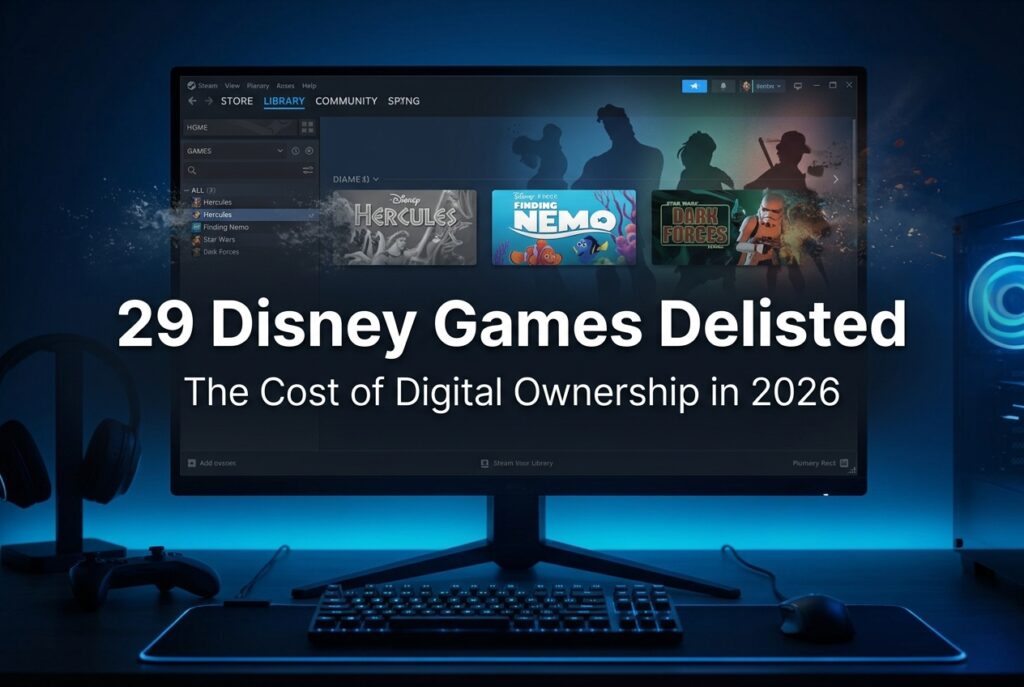
Disney Games Removed From Steam Ownership Value Guide Disney Games Removed Steam Digital Ownership Account Value 1024x687 . The Most Played Games On Steam For 2026 So Far Cheat Code Central Most Played Games Steam 2026 2048x1167 . Games Removed From Steam Games Removed From Steam Deadpool And Day Before . Steam Sales 2026 Calendar Full Dates Best CD Key Deals AllKeyShop Com All Steam Events 2026. UPDATED Valve Has Quietly Removed Palworld S Steam Deck Playable
January 2026 S Top Selling New Steam Games Revealed 08418405 04a2 47eb B48b 1500x843 . Rekomendasi Game Steam Spring Sale 2026 Wajib Beli Steam Awards 2025 Winners 1024x576 . Games Removed From Steam After Payment Processors Update Steam F40 . 2026 Games Release Schedule Everything Coming Out This Year 2026 Most Anticipated Games . The Steam Spring Sale 2026 Kicks Off With Discounts On Thousands Of 1920 80


Steam Next Fest February 2026 The 22 Best Game Demos The Best Steam Next Fest Demos 2026 The Punished Backlog Order 2 300x162 . Best Free Multiplayer Steam Games 2026 Top Picks Image. Steam Next Fest 2026 And Beyond All The Dates Details And Everything. How To See Games Removed From Steam Tech Advisor Removed Steam Games . My Current Steam Wishlist 2025 2026 New Games YouTube



How To Permanently Remove A Game From Your Steam Library 2026 Easy . 17 Game Gratis Di Steam 2026 Seru Bikin Kamu Ketagihan Jurnal Ngawi 3471022749 . Steam Sales 2026 Here S The Schedule For The First Half Of The Year 1824cr953 . I Tried These 8 Free Steam Games In 2026 I Didn T Expect Them To Be Contra Is Not Dead Yet - 2026 . Steam Next Fest 2026 And Beyond All The Dates Details And Everything


The Top 2026 Games By Steam Wishlists By Rhys Elliott Fc2aa87f 2277 4294 9e7b 1920x1080 . How To Remove Steam Free Trial Games From Your Library YouTube . Sale Steam Winter Sale Is Here Until January 5 2026 10 00 AM PT 1024x768 . How To Remove Game From Steam Library Not Hide Or Refund Step By Step . Steam Sale 2026 Key Dates You Need To Know LevelUpTalk Steam Sale Schedule 2026 08 27 2025 7c35051e 2c22 4093 96f1
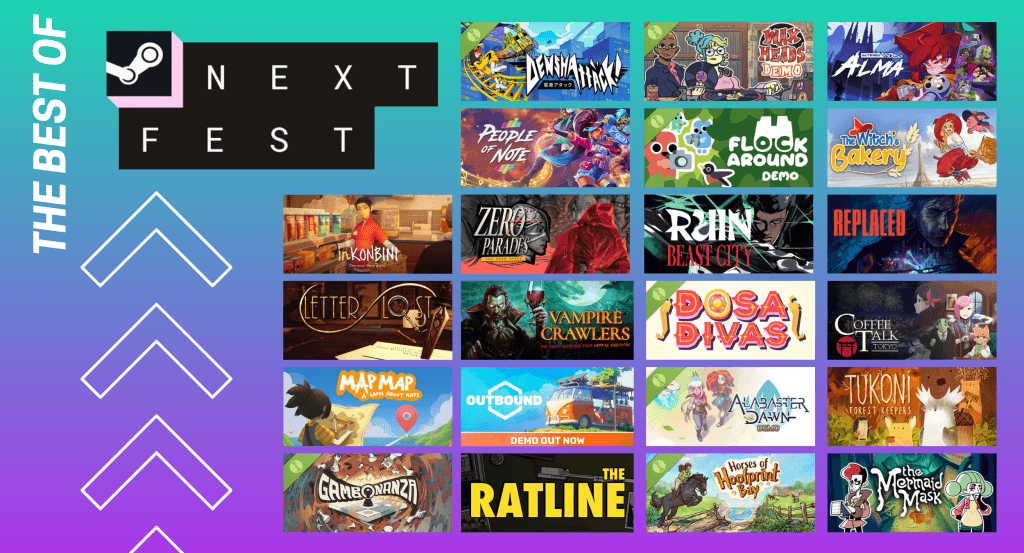


Steam Next Fest February 2026 The 22 Best Game Demos The Best Steam Next Fest Demos 2026 The Punished Backlog 1024x553 . How To REMOVE Game Files From Steam Tool QUICK EASY 2026 YouTube Hqdefault . Best Free Games To Claim Right Now 2026 Steam PlayStation Xbox More May 2026 Free Games Feature Image . Steam Starts 2026 With 4 New FREE Games No Strings Attached Steam Logo In Forest . Full List Of 14 Games Suddenly Removed From Steam With NO Explanation Newspress Collage Vq9586fd3

The Most Played Games On Steam For 2026 So Far Cheat Code Central Steam Top Games July . How To Remove Game From Steam Library YouTube . Steam Next Fest 2026 And Beyond All The Dates Details And Everything. 10 Games From The February 2026 Steam Next Fest You Should Check Out SNF Feb 26 Feature Scaled . Game PC Terbaik Steam 2026 GAMES GG Best PC Games On Steam For 2026 Ba807d9acd