Are you a dedicated gamer who struggles with the idea of being tied to one spot, yet craves the raw power only a gaming desktop can deliver? Many US gamers, especially those juggling careers, families, and social lives, find themselves at this crossroads. This comprehensive guide explores whether gaming desktops can genuinely be portable in 2026, offering practical solutions and insights for busy adults who game to unwind, socialize, and stay competitive. We will delve into compact builds, streaming alternatives, and clever accessories that bridge the gap between high-performance gaming and the need for flexibility. Discover how to maintain your high frame rates and immersive experiences without sacrificing your ability to move your setup, ensuring you can game wherever life takes you, from a friend's house to a weekend getaway. This article provides essential information for optimizing your gaming life.
Can I really take my gaming desktop with me?
Absolutely! The idea of a completely stationary gaming desktop is rapidly becoming a relic of the past. Thanks to advancements in small form factor (SFF) PC cases, more efficient components, and clever peripherals, you can now build or buy a gaming desktop that is surprisingly portable. This means you can easily move your high-performance rig from your home office to the living room, or even pack it for a weekend trip to a friend's place for some intense co-op sessions.
Is a portable gaming desktop as powerful as a full-sized one?
Yes, for the most part, a portable gaming desktop can pack nearly the same punch as a full-sized one. The key is in selecting the right components. While you might opt for a Mini-ITX motherboard, modern GPUs and CPUs are incredibly efficient and can fit into smaller cases without significant performance compromise. You're getting desktop-level power without the bulky tower, allowing for the high frame rates and immersive graphics that dedicated gamers demand.
What's the main difference between a portable desktop and a gaming laptop?
The primary difference lies in performance, upgradeability, and cooling. Gaming desktops, even portable ones, generally offer superior raw power and better thermal management compared to gaming laptops at a similar price point. Desktops also allow for easier component upgrades over time. Laptops offer true 'all-in-one' convenience, but often at a higher cost for comparable performance and with limitations on sustained high-end gaming due to heat.
How do I move my gaming desktop safely?
Moving your gaming desktop safely involves a few key steps. First, power down completely and unplug all cables. For SFF builds, invest in a dedicated carrying case with padded compartments. If you have a larger GPU, consider removing it or reinforcing it to prevent damage during transit. Always handle the case carefully, avoiding harsh bumps. For accessories, pack them separately in protective pouches. Think of it like moving any valuable electronic device.
Can I use my portable gaming desktop with any monitor?
Yes, your portable gaming desktop will connect to any standard monitor via HDMI or DisplayPort, just like a regular desktop. For ultimate portability, consider a dedicated portable gaming monitor. These compact displays often feature high refresh rates, good resolution, and connect easily via USB-C or HDMI, making them perfect companions for your on-the-go setup, ensuring you get the full gaming experience anywhere.
How much does a portable gaming desktop cost?
The cost of a portable gaming desktop can vary widely, just like any PC. A budget-friendly SFF build might start around 800-1000, while a high-end, top-tier system with the latest GPU and CPU could easily exceed 2000-3000. The key is that you generally get more raw performance per dollar compared to a gaming laptop, making it a value-for-money option for gamers who prioritize power and some flexibility.
Are there pre-built portable gaming desktops available?
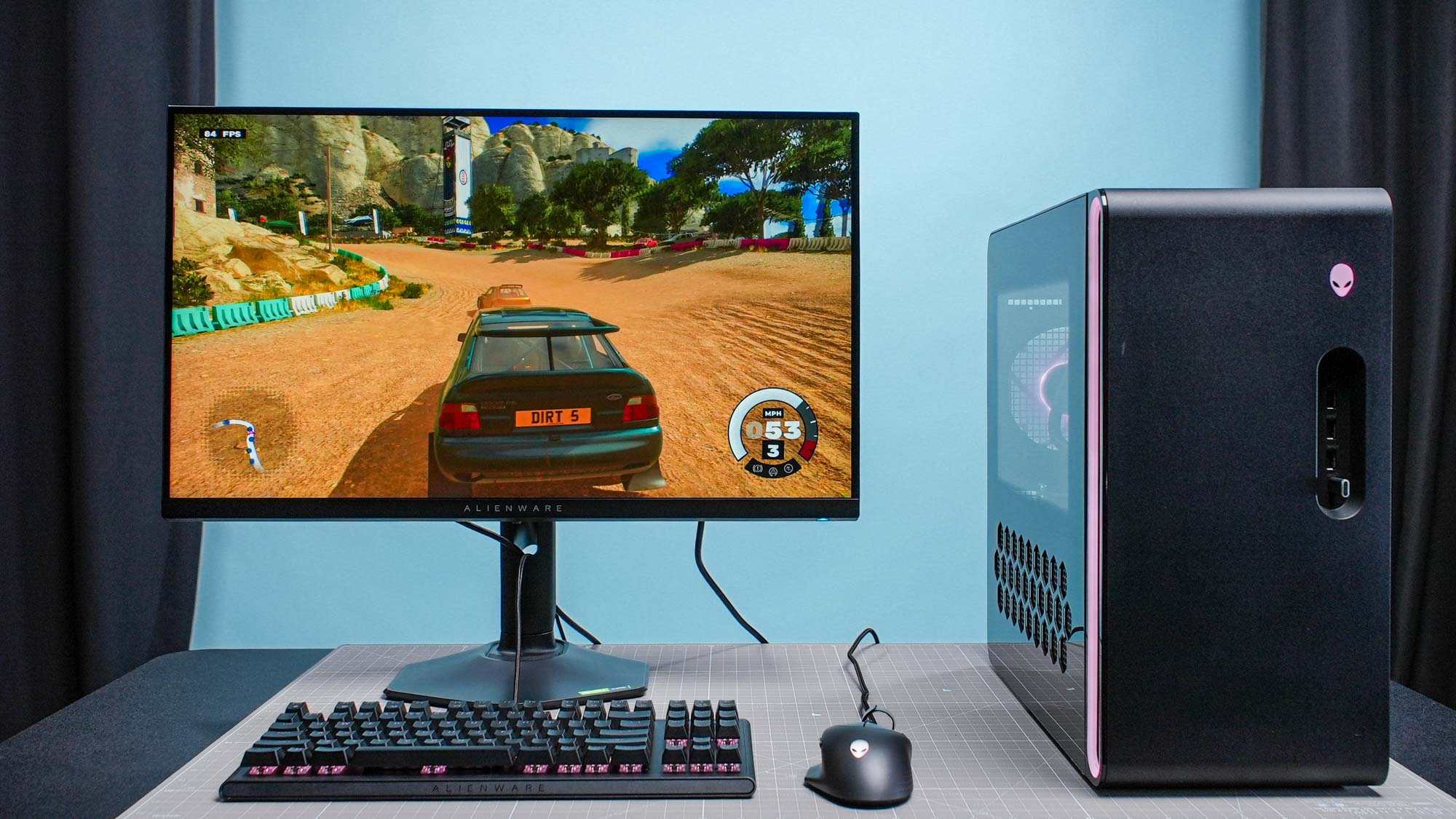
Yes, several manufacturers offer pre-built small form factor gaming desktops designed for portability. Brands like Alienware (with their Aurora R series), MSI (with their Trident series), and custom builders often have compact, powerful systems. These options provide convenience if you prefer not to build your own, ensuring compatibility and often coming with a warranty. Always check reviews for thermal performance before purchasing.
Life moves fast for modern gamers. If you're like many US adults in 2026, balancing a job, family, and personal life, your gaming time is precious. You want the high-fidelity graphics and lightning-fast performance that only a dedicated gaming desktop can provide, but you also need flexibility. The idea of being tethered to a single desk might feel restrictive when you want to take your top-tier setup to a friend's house for a co-op session, or even just move it between rooms. Can gaming desktops truly be portable without sacrificing the power you crave?
This is a common dilemma, and one that recent tech advancements are increasingly addressing. Gone are the days when 'desktop' meant a bulky tower glued to one spot. Today, innovations in small form factor (SFF) PCs, high-performance components, and even cloud streaming services are reshaping what portability means for the serious gamer. This guide is designed for you: the gamer who values relaxation, skill-building, and social play, but also needs practical solutions for setup issues, performance optimization, and making smart hardware choices without falling for marketing hype. Let's explore how you can make your gaming desktop a more mobile companion.
What Makes a Gaming Desktop Portable?
When we talk about a 'portable' gaming desktop, we're generally referring to a system that's easy to transport and set up in different locations. This goes beyond just being able to unplug it; it involves compact dimensions, lighter weight, and efficient cooling within smaller enclosures. The core idea is to retain desktop-level performance—unlike a gaming laptop which often has thermal or power limitations—while gaining significant mobility. This has become crucial as 87% of US gamers regularly play, with many averaging over 10 hours a week, and they need their rigs ready wherever they are.
How Do Small Form Factor Cases Impact Portability?
Small Form Factor (SFF) cases are the cornerstone of desktop portability. These cases are designed to minimize overall volume while still accommodating powerful components. Think Mini-ITX motherboards and specialized cooling solutions that fit into surprisingly tight spaces. Instead of a towering mid-ATX chassis, SFF builds can be as small as a shoebox or even a console, making them easy to carry in a backpack or dedicated travel case. However, selecting an SFF case often requires careful planning regarding component size and thermal management to prevent overheating during intense gaming sessions.
What are the Best Components for a Portable Gaming Desktop Build?
Building a portable gaming desktop requires specific component choices. You'll want a Mini-ITX motherboard, which is the smallest standard form factor. For the CPU, prioritize efficiency alongside power—Intel's 'K' series or AMD's 'X' series processors work well, paired with a low-profile CPU cooler or an all-in-one (AIO) liquid cooler designed for SFF. A single, powerful graphics card (GPU) is ideal; look for shorter models if possible, but many full-sized GPUs can now fit into surprisingly compact cases. NVMe SSDs are a must for speed and minimal footprint, and a modular SFX power supply will save space and simplify cable management. Memory should be high-speed DDR5, with 16GB being a good starting point for most modern games in 2026.
Can I Stream My Gaming Desktop to Other Devices for Portability?
Absolutely! This is a fantastic way to achieve 'virtual' portability. Services like Steam In-Home Streaming, NVIDIA GameStream (for compatible hardware), or third-party solutions like Parsec or Moonlight allow you to stream your powerful gaming desktop's output to a less powerful laptop, tablet, or even a smartphone over a local network or the internet. Your desktop does all the heavy lifting, rendering the game, while your portable device simply displays the video and sends back inputs. This means you can game on your couch, in another room, or even at a coffee shop, provided you have a strong, stable internet connection at both ends. It's an excellent option for busy individuals who want to unwind with their favorite titles without physically relocating their rig.
What Peripherals Do I Need for a Truly Portable Setup?
A portable gaming desktop isn't complete without portable peripherals. Consider a compact mechanical keyboard (like a 60% or TKL layout), a lightweight wireless gaming mouse, and a high-refresh-rate portable monitor. These monitors, often 15 to 17 inches, connect via USB-C or HDMI and are incredibly thin and light, easily fitting into a bag. They've seen massive improvements in refresh rates and response times this year, making them genuinely viable for competitive play. Don't forget a compact headset with a built-in microphone for social gaming, which is increasingly popular as mobile and PC/console cross-play dominate gaming trends.
Are There Any Downsides to Making a Gaming Desktop Portable?
While the benefits are clear, there are some trade-offs. Firstly, SFF components can sometimes be more expensive due to specialized designs and lower production volumes. Secondly, thermal management in smaller cases can be challenging; proper airflow and powerful, yet compact, cooling solutions are crucial to prevent throttling during long gaming sessions. You might also have fewer upgrade options compared to a full-sized ATX build. Lastly, physically transporting even a compact desktop still requires more effort than simply grabbing a laptop, even with dedicated carrying cases designed for these rigs.
How Do Portable Gaming Desktops Compare to Gaming Laptops?
This is a critical comparison. Gaming laptops offer true all-in-one portability, with integrated screen, keyboard, and trackpad. However, gaming desktops, even portable ones, typically offer significantly better performance for the price. Desktop GPUs and CPUs aren't constrained by laptop thermal envelopes, meaning you get more raw power and often better upgradeability. Laptops also tend to throttle under sustained load, whereas a well-built portable desktop can maintain peak performance for longer. For the average gamer who values performance optimization and value for money, a portable desktop often provides a superior gaming experience, particularly for those who already own a quality monitor and peripherals.
What Are Some Future Trends for Portable Gaming Desktops?
The future of portable gaming desktops is exciting. We're seeing continued miniaturization of powerful components, with more efficient cooling solutions and even smaller form factors emerging. Modular designs, where components can be easily swapped in and out, are gaining traction. Expect more robust carrying cases designed for specific SFF builds, making transport even safer and more convenient. Furthermore, the integration of 5G and Wi-Fi 7 will make cloud gaming and remote streaming even more seamless and reliable, further blurring the lines between stationary and portable gaming experiences. The emphasis will remain on balancing raw power with practical flexibility for the busy gamer.
Final Thoughts: Embrace Your Portable Powerhouse
The dream of a powerful gaming desktop that isn't chained to one location is now a reality. With careful planning and smart component choices, you can build a formidable rig that travels with you, or leverage robust streaming solutions for gaming on the go. This allows you to unwind with your favorite titles, build skills, and connect with friends, all while balancing the demands of modern life. Remember, staying current with technology doesn't mean falling for hype; it means finding solutions that genuinely enhance your gaming experience.
What's your biggest gaming challenge when it comes to portability? Comment below!
FAQ Section
Can gaming desktops be as portable as laptops? While not an all-in-one solution like a laptop, modern small form factor gaming desktops can be highly portable, fitting into specialized carrying cases and offering significantly more power for the size. They require separate peripherals but deliver superior performance per dollar.
What's the smallest form factor for a gaming PC? The Mini-ITX motherboard form factor allows for the smallest gaming PC builds, often fitting into cases that are just a few liters in volume. These compact cases can be easily transported for LAN parties or different rooms.
Is it hard to build a portable gaming PC? Building a portable gaming PC, especially an SFF one, can be more challenging than a standard ATX build due to tighter space constraints and cable management. However, many guides and pre-built options are available, making it accessible for dedicated gamers.
Do portable gaming desktops overheat easily? Thermal management is crucial in small form factor cases. With proper component selection (efficient CPU/GPU) and effective cooling solutions (AIOs, low-profile air coolers, good case airflow), portable gaming desktops can maintain stable temperatures even under load.
Can I use a portable gaming desktop for VR? Yes, many portable gaming desktops built with powerful, modern GPUs are fully capable of handling virtual reality (VR) experiences. Ensure your chosen components meet or exceed the recommended specs for your VR headset.
Are portable monitors good enough for competitive gaming? Modern portable monitors have advanced significantly, offering high refresh rates (120Hz, 144Hz, or even higher) and low response times, making them suitable for competitive gaming. They are an excellent complement to a portable desktop.
Gaming desktops can be surprisingly portable with the right components and strategies. Mini-ITX cases and small form factor (SFF) builds are key for physical portability. Cloud gaming and remote play offer virtual portability without moving hardware. Portable monitors and compact peripherals enhance the on-the-go experience. Balancing performance, cost, and true portability involves trade-offs. Solutions exist for gamers who prioritize both power and flexibility in their setup.
35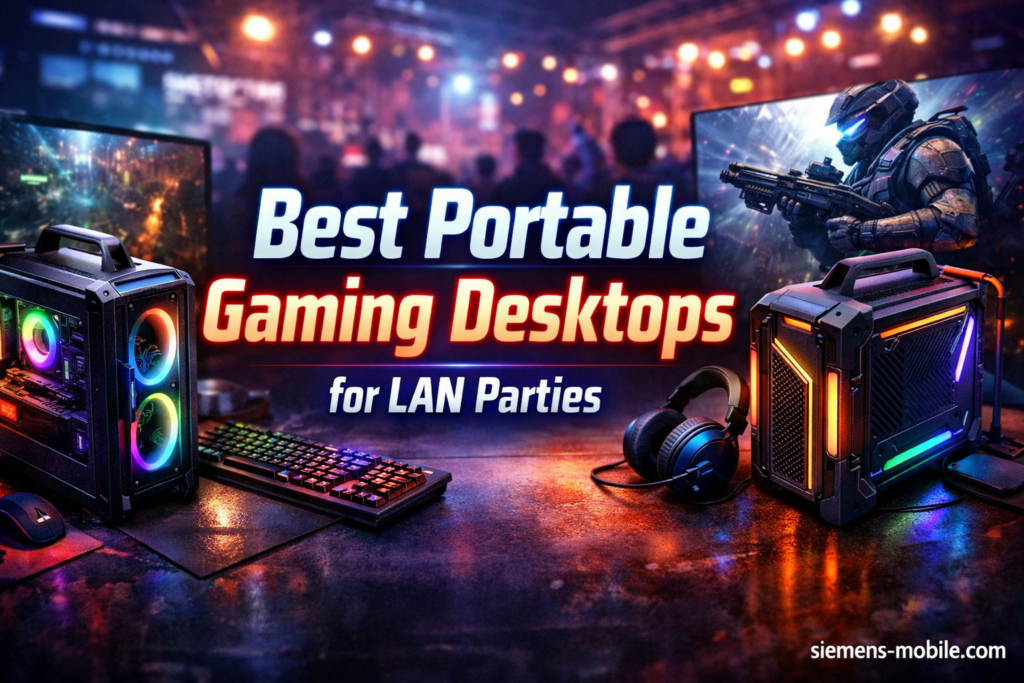
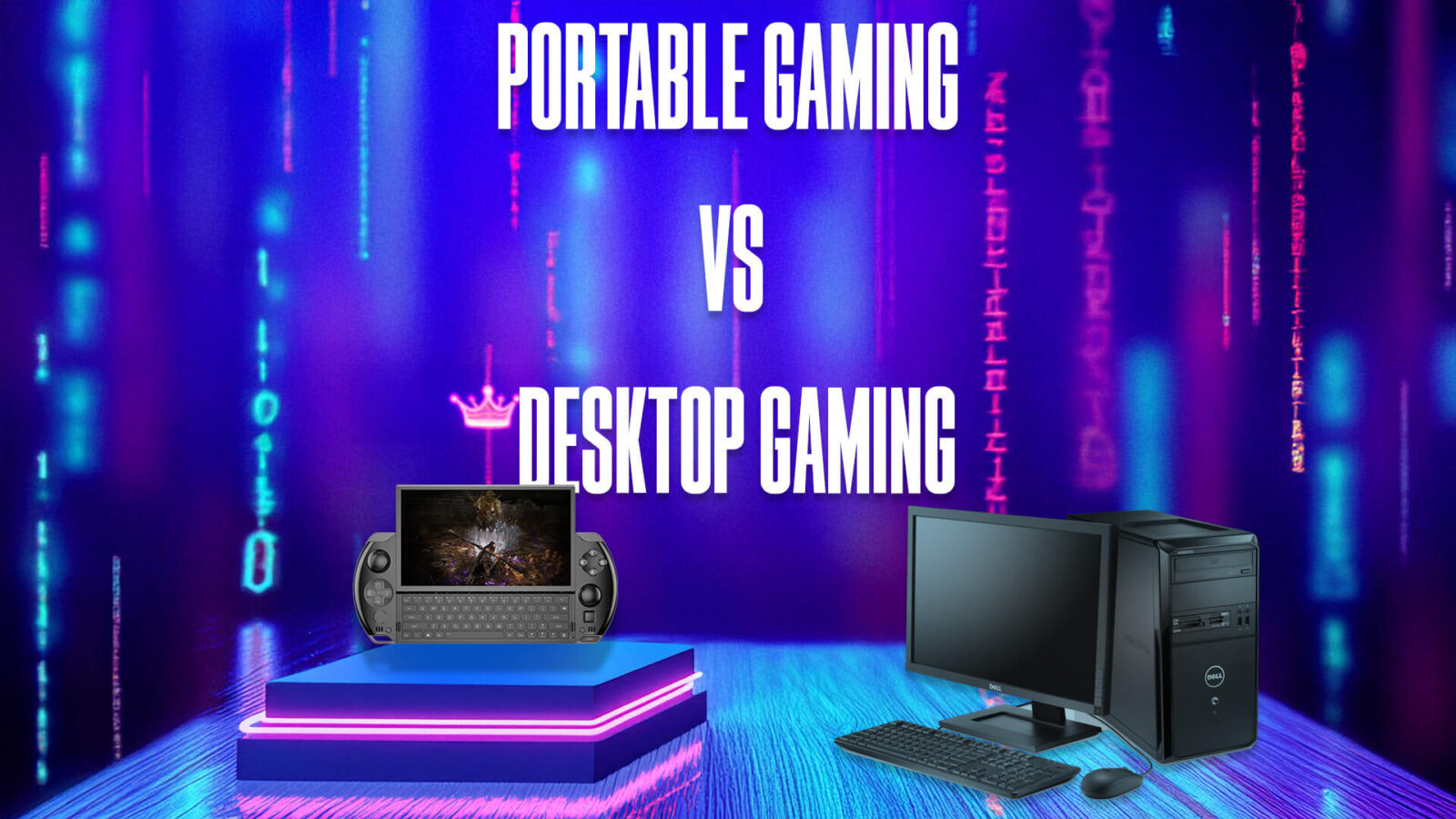
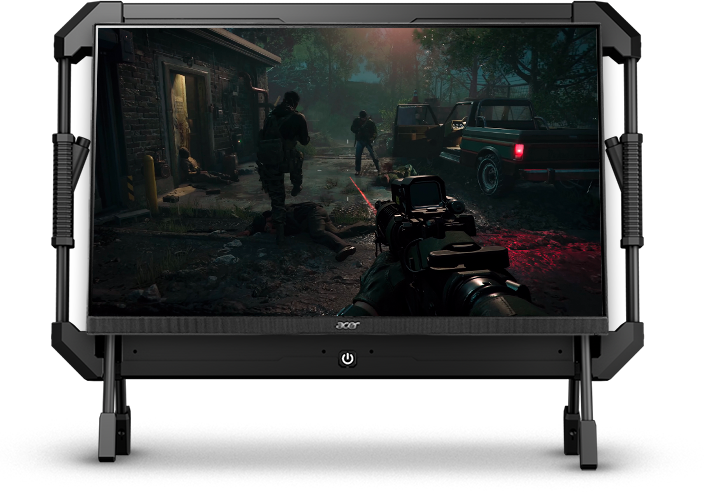
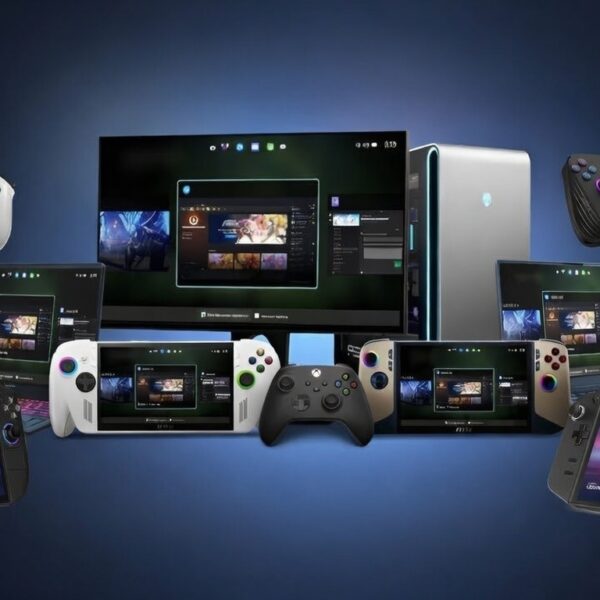
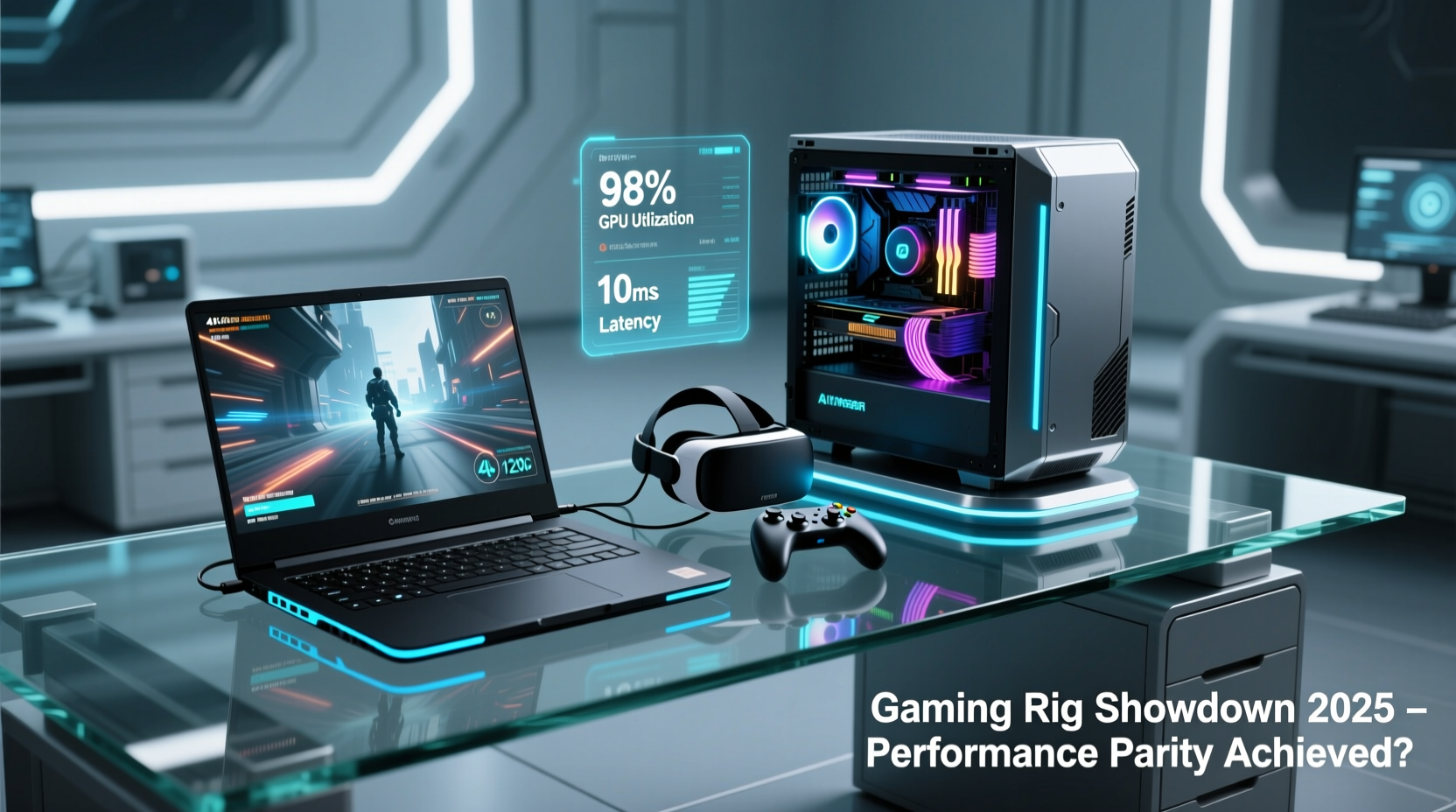
8 Best Portable Gaming Desktops For LAN Parties April 2026 Complete Guide Best Portable Gaming Desktops For LAN Parties 1024x683 . Portable Gaming Vs Desktop Gaming Portable Gaming Vs Desktop Gaming How GPD Handheld Gaming PCs Are Changing The Game 169 1600x900 . Startup Makes Ultra Compact Portable Gaming Desktop PC Gamereactor 3378303b . The 2026 Ultimate Guide To Portable Handheld Gaming PCs Windows Handheld Gaming Pc 600x600 . Gaming Laptop Vs Desktop In 2025 Are Portable Rigs Finally Catching Up
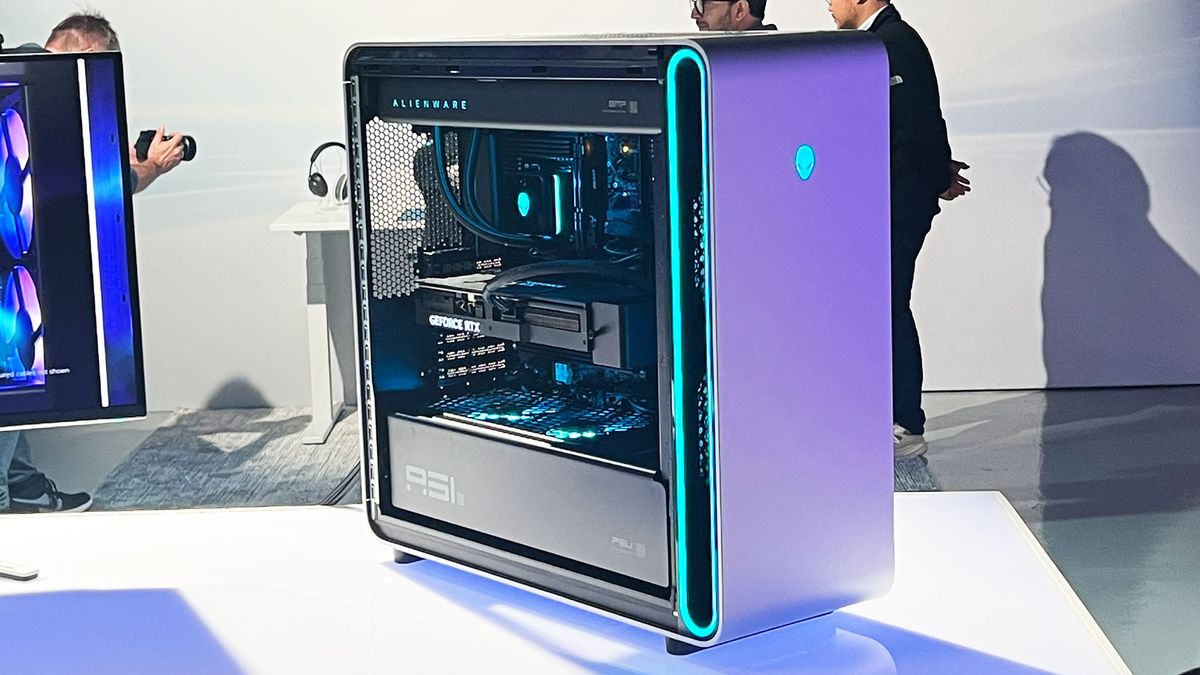
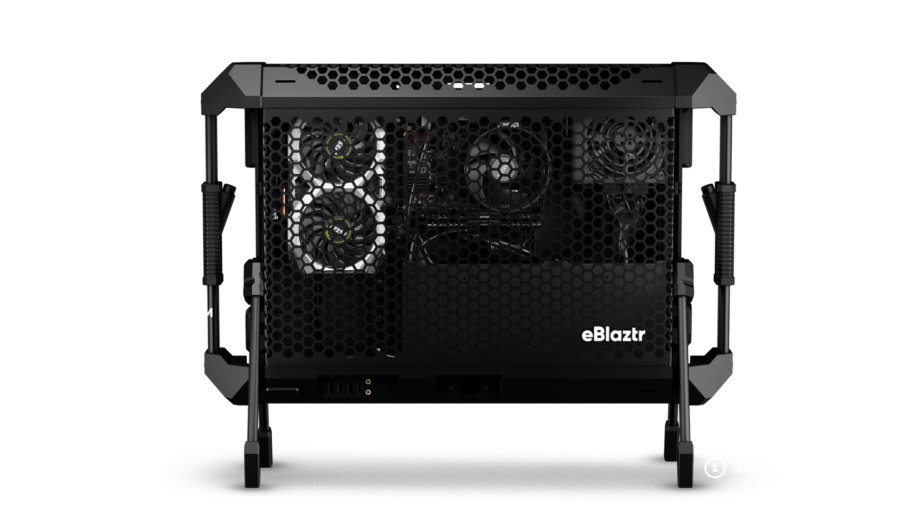

Alienware Sin Ikoniske Gaming PC Og Og Laptopserie Area 51 1200 80 . Best Portable Gaming PCs For Streamers Esports Players In India 2025 . Startup Makes Ultra Compact Portable Gaming Desktop PC Gamereactor 3378313b . The Best Gaming PC 2026 UK Builds At The Cheapest Prices GamesRadar . What The Future Of Handhelds And Mini Gaming PC S Will Be CES 2026

IBuyPower S Gaming Desktops Are Discounted For Presidents Day IBuyPowers Gaming Desktops Are Discounted For Presidents Day 768x399 . Best Of The Best Gaming Desktop 2024 Prebuilt Gaming PC Intel 14th 2025 Best Desktop KV Refresh Mobile . Dell XPS 8950 Review Tom S Guide . Optimal For The Ultimate Gaming PC Experience The Fastest Windows Desktop PC You Cant Get In 2024.webp. What The Future Of Handhelds And Mini Gaming PC S Will Be CES 2026 IGN Oo


The Ultimate Gaming PC Build 2026 Guide By Xidax 1 Unnamed . Everything You Need To Know About Desktop PCs 2025 Edition Best Gaming Desktop PC 2025 Main . The Best Desktops For Gaming Rental Options In Kolkata RentoCart 2026 Best Desktops For Gaming . Best Gaming Desktops For 2026 Technobezz Technobezz 2026 03 11 T142543 296 09ffd22ab9 . 12 Best Portable SSDs In 2026 Tested Reviewed Com Best Gaming PC 2 300x169



Intel S Panther Lake Could Power New Gaming Handhelds In 2026 Windows . The Best Gaming Desktops 2026 Top 10 Gaming Desktops Buy Now Guide . The Best Gaming PC 2026 UK Builds At The Cheapest Prices GamesRadar . The Best Gaming PC 2026 UK Builds At The Cheapest Prices GamesRadar . Best Gaming PC Builds For 2026 Best Gaming PC Builds For 2026.webp


Gaming Desktops Guides Tips And Tricks In 2026 Of Zen And Computing Featured Image Sjjbggt1 . The Gaming PC You Need To Build For 2026. 8 Best Internal Wi Fi Cards For Gaming Desktops April 2026 Complete Guide Best Internal Wi Fi Cards For Gaming Desktops 1024x683 . The Ultimate Guide To Building A PC In 2025 Computer Cave Desktop Gaming In 2026 Why Performance Issues Usually Mean Repair--Not Replacement. Gaming PC Budget Guide 7 Smart Rules For 2026 HP Pavilion Gaming Desktop TG01 768x768


10 Best Small Gaming PCs July 2026 Compact Powerhouses Tested Best Small Gaming PCs . Best Gaming Desktop For 600 Best Gaming Desktops . How To Build A Future Proof PC In 2026 Without Regret Gemini Generated Ima. Imresizer 98 . Virtual Desktops In Windows 11 Can Be A Time Saver Windows 11 Multiple Desktops . The Best Gaming PC 2026 UK Builds At The Cheapest Prices GamesRadar