








What exactly is considered high blood pressure?
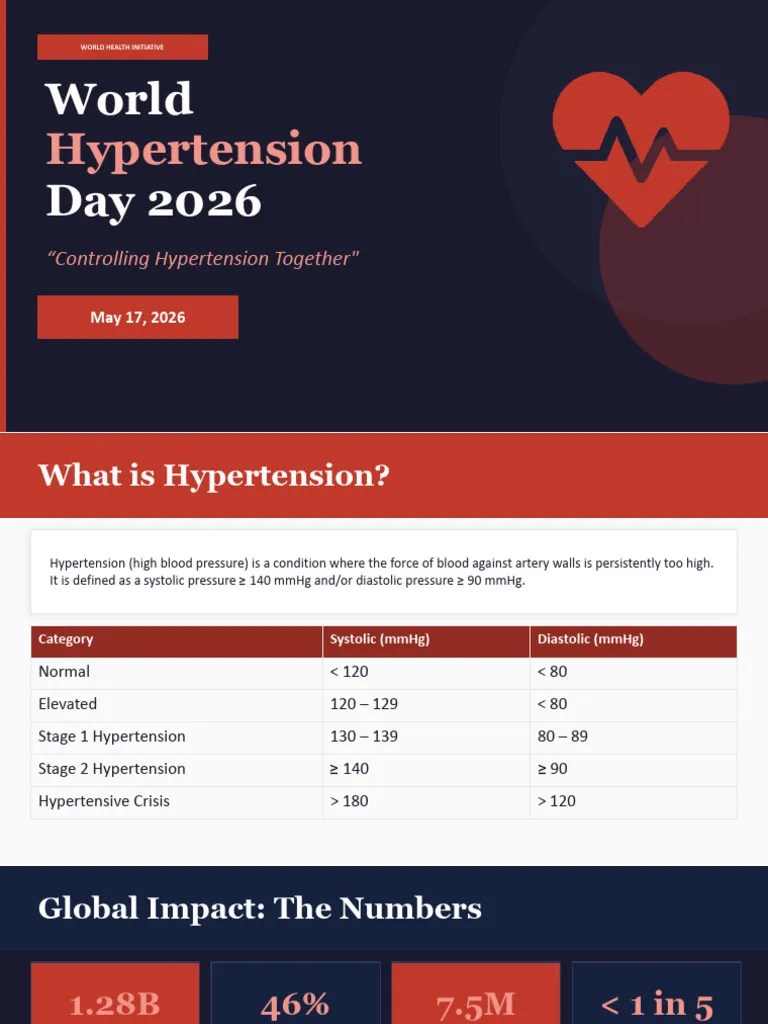
High blood pressure is typically defined by readings of 130/80 mmHg or higher, though your doctor will make the final determination based on several readings. A normal reading is generally below 120/80 mmHg. Consistent elevation indicates a need for closer observation and potential intervention, helping to fully explain what does hypertension mean for your health.
What are the common symptoms of high blood pressure?
Most people with high blood pressure experience no symptoms, earning it the nickname the 'silent killer.' This is why regular checkups are crucial. In severe cases, symptoms might include headaches, shortness of breath, or nosebleeds. However, these are rare and usually occur when blood pressure is dangerously high, illustrating the subtle nature of what does hypertension mean.
What causes hypertension?
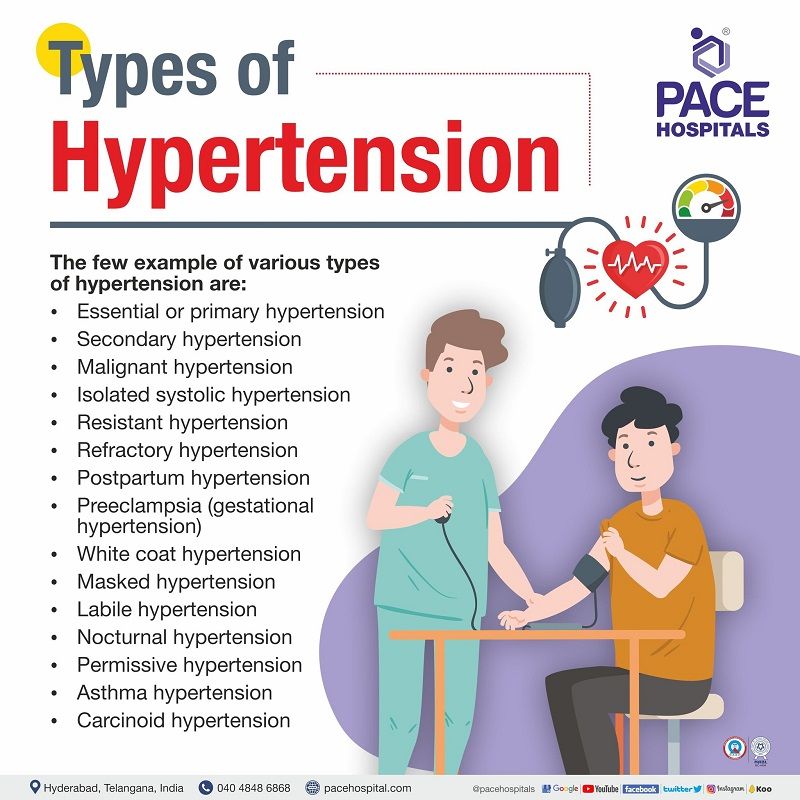
For most adults, there's no identifiable cause, a condition known as primary hypertension. It tends to develop gradually over many years. Secondary hypertension is caused by an underlying condition like kidney disease, thyroid problems, or certain medications. Understanding potential triggers helps address what does hypertension mean for an individual.
How is high blood pressure treated?
Treatment often begins with lifestyle changes, including a heart-healthy diet, regular exercise, maintaining a healthy weight, and limiting alcohol and sodium. If these are not enough, your doctor may prescribe medications to lower blood pressure. A personalized plan is key to managing what does hypertension mean for you effectively.
Can hypertension be prevented?
Yes, many cases of hypertension can be prevented or delayed through healthy lifestyle choices. Eating a balanced diet rich in fruits and vegetables, engaging in regular physical activity, managing stress, avoiding smoking, and limiting processed foods significantly reduce your risk. These proactive steps are vital in preventing what does hypertension mean from becoming a health concern.
What is the DASH diet and how does it help hypertension?
The DASH Dietary Approaches to Stop Hypertension diet emphasizes fruits vegetables whole grains lean protein and low-fat dairy while limiting saturated fats cholesterol and sodium. This eating plan is scientifically proven to lower blood pressure and is a cornerstone for managing what does hypertension mean effectively without relying solely on medication.
Why is regular monitoring of blood pressure important?
Regular monitoring helps track your blood pressure trends over time, allowing your doctor to adjust treatments as needed and ensuring they remain effective. It also empowers you to see the impact of lifestyle changes firsthand. Consistent monitoring is a cornerstone in effectively managing and understanding what does hypertension mean for your health journey.
Understanding what does hypertension mean is crucial for maintaining good health especially for folks in the US High blood pressure often called hypertension silently impacts millions without obvious symptoms making regular checkups a smart move This comprehensive guide explores the definition causes symptoms and effective management strategies for hypertension giving you actionable insights to protect your cardiovascular system We break down the numbers what they signify and lifestyle adjustments that truly make a difference You will learn about various treatment options from dietary changes to medication and how to work with your healthcare provider to keep your blood pressure in a healthy range Discover practical tips for reducing stress improving diet and incorporating physical activity into your daily routine and how these changes directly influence your blood pressure readings This information empowers you to make informed decisions about your well-being and live a fuller healthier life by truly grasping what does hypertension mean and acting on that knowledge
Understanding What Does Hypertension Mean
When someone talks about high blood pressure, they are essentially asking what does hypertension mean. It is a common condition where the long-term force of the blood against your artery walls is high enough that it may eventually cause health problems, such as heart disease. Think of it like a garden hose with too much pressure; over time, the hose walls can weaken and burst.
This persistent elevated pressure can damage your arteries, making them less elastic, which in turn restricts blood flow to your heart, brain, kidneys, and other vital organs. Unchecked, this silent killer can lead to serious complications, making early understanding and management of what does hypertension mean absolutely critical for long-term health in 2026 and beyond.
Key Aspects of Hypertension
| Aspect | Description |
|---|---|
| Definition | Persistently high blood pressure against artery walls. |
| Silent Nature | Often shows no symptoms, hence called a 'silent killer'. |
| Risk Factors | Diet, lack of exercise, genetics, stress, age. |
| Complications | Heart attack, stroke, kidney disease, vision loss. |
| Management | Lifestyle changes, medication, regular monitoring. |
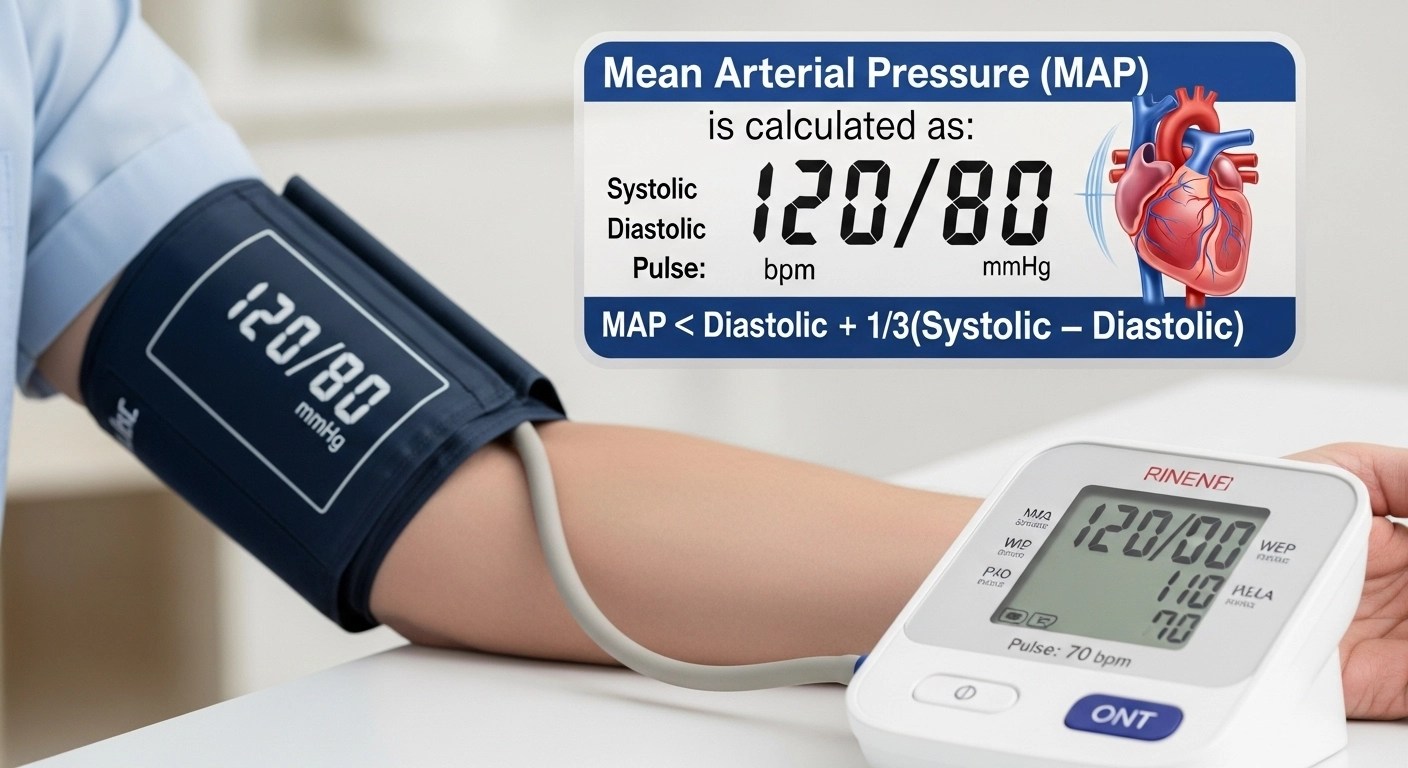
Exploring what does hypertension mean involves looking at the numbers doctors use. A blood pressure reading involves two numbers: systolic and diastolic. Systolic pressure, the top number, indicates the pressure your blood exerts against artery walls during heartbeats.
Diastolic pressure, the bottom number, represents the pressure when your heart rests between beats. Both numbers are key to understanding your overall cardiovascular health status. Consistently high readings in either category signal a potential issue demanding attention and action.
Knowing your numbers and what they imply is an empowering first step toward taking control. Regular checks, whether at home or during doctor visits, provide crucial data. This ongoing monitoring helps track changes and assess the effectiveness of any interventions you undertake.
Ultimately, a deep understanding of what does hypertension mean boils down to recognizing its potential impact and committing to proactive steps. It is not just about a medical diagnosis; it is about embracing a lifestyle that supports healthy blood flow and protects your body’s intricate network of vessels.
Insights from Blood Pressure Management
| Insight | Detail |
|---|---|
| Regular Monitoring | Essential for tracking progress and identifying trends. |
| Lifestyle Changes | Often the first line of defense; highly effective. |
| Medication Adherence | Crucial for those requiring pharmaceutical intervention. |
| Doctor Consultation | Personalized advice and treatment plans are paramount. |
| Awareness | Understanding risks motivates healthier choices. |
Living with hypertension, once diagnosed, becomes a journey of active management. This is where personalized strategies truly shine, blending medical advice with daily habits. Small, consistent efforts can add up to significant improvements in your blood pressure numbers, giving you peace of mind and better health prospects.
Think about building a support system, whether it is family, friends, or a community group, to help you stay on track. Sharing your journey can provide encouragement and accountability. Remember, you do not have to navigate the complexities of managing high blood pressure alone.
The long-term goal is not just to lower your numbers but to protect your overall health and well-being. By staying informed about what does hypertension mean and diligently following your management plan, you are setting yourself up for a healthier future. It is about playing the long game with your health.
Practical Steps for Managing Hypertension
| Action | Benefit |
|---|---|
| Dietary Adjustments | Reduces sodium, boosts potassium, supports heart health. |
| Regular Exercise | Strengthens heart, improves circulation, lowers stress. |
| Stress Reduction | Calms nervous system, prevents blood pressure spikes. |
| Limiting Alcohol | Avoids temporary blood pressure increases. |
| Smoking Cessation | Reverses arterial damage, improves blood flow. |
Common Questions About Hypertension Answered
What exactly is considered high blood pressure?
High blood pressure is typically defined by readings of 130/80 mmHg or higher, but your doctor will make the final determination based on several readings over time. A normal reading is generally below 120/80 mmHg. When the systolic number, the top figure, measures 130 or more, or the diastolic number, the bottom figure, is 80 or more, it signals a need for closer observation and potential intervention. Consistent elevation across multiple measurements is the key diagnostic factor for what does hypertension mean.
These numbers are not just arbitrary; they reflect the strain on your blood vessels. Over time, this constant strain can wear down the delicate inner lining of your arteries, making them stiff and narrow. This hardening of the arteries, known as arteriosclerosis, is a major contributor to various cardiovascular ailments.
It is important to remember that a single high reading does not automatically mean you have hypertension. Many factors can temporarily elevate blood pressure, including stress, caffeine, or even a phenomenon called