









What is the ideal length for a resume?
Generally, a one-page resume is preferred for candidates with less than 10 years of experience. Those with extensive careers or specialized fields may extend to two pages, but every section must add significant value. Always prioritize quality and relevance over sheer length, ensuring conciseness for busy hiring managers.
Should I include a photo on my resume in the U.S.?
In the U.S., it is generally best to omit a photo from your resume. This practice helps prevent unconscious bias and ensures that hiring decisions are based solely on your qualifications and experience. Focus on your professional content rather than personal appearance, keeping the process objective.
How can I make my resume stand out effectively?
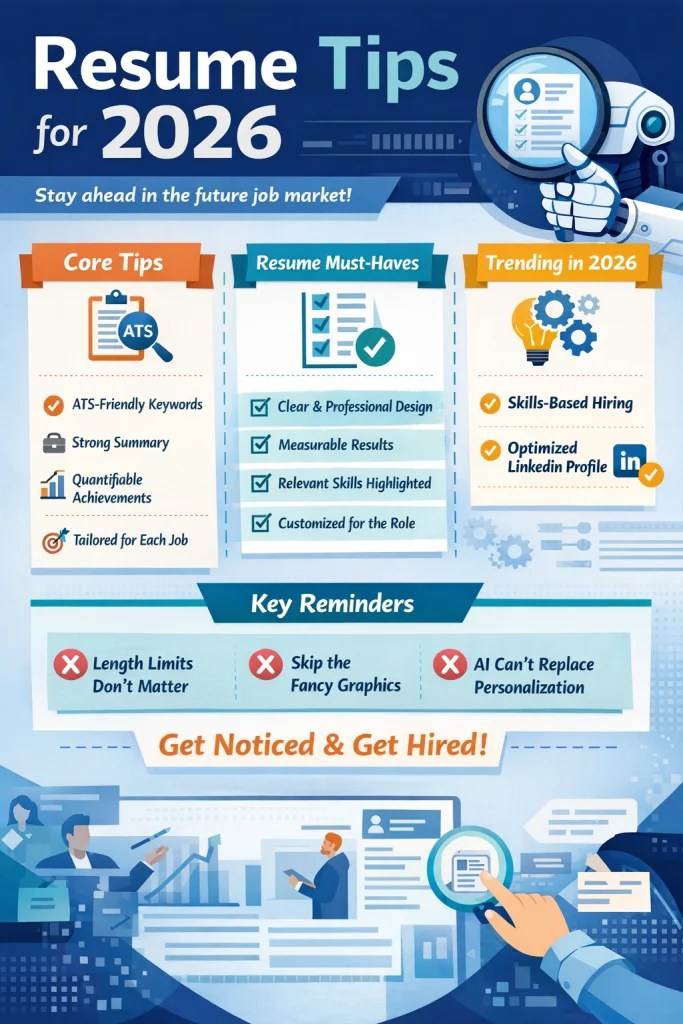
To make your resume stand out, focus on strong action verbs, quantifiable achievements, and tailoring it precisely to each job application. Utilize a clean, professional design instead of excessive graphics or unusual fonts. Highlight unique projects, relevant skills, and specific results to capture attention authentically.
What is the difference between a resume summary and an objective?
A resume summary is preferred for most professionals, highlighting top skills and achievements to show immediate value. An objective statement, focusing on what you seek, is usually better for entry-level candidates or those undergoing a significant career change, as it states career aspirations clearly.
How often should I update my resume to stay current?
It's smart to update your resume annually or whenever you achieve significant milestones, complete a major project, or gain new skills. This keeps it current and ready for unexpected opportunities. Even if you are not actively looking, having an updated resume saves time when a great role appears.
Navigating the job market demands a top-tier resume, and this comprehensive resume guide offers actionable advice for U.S. job seekers. Learn how to meticulously craft each section, from compelling summaries to detailed experience, ensuring your application stands out. This guide covers essential formatting tips, strong action verbs, and strategies to tailor your resume for specific roles. Discover common pitfalls to avoid and get answers to frequently asked questions about resume building. Whether you're a new graduate or a seasoned professional, master the art of resume creation to boost your career prospects. Unlock insights on optimizing keywords, showcasing achievements, and making a lasting impression on hiring managers across various industries. This resource is designed to be your go-to reference for building a resume that lands interviews.
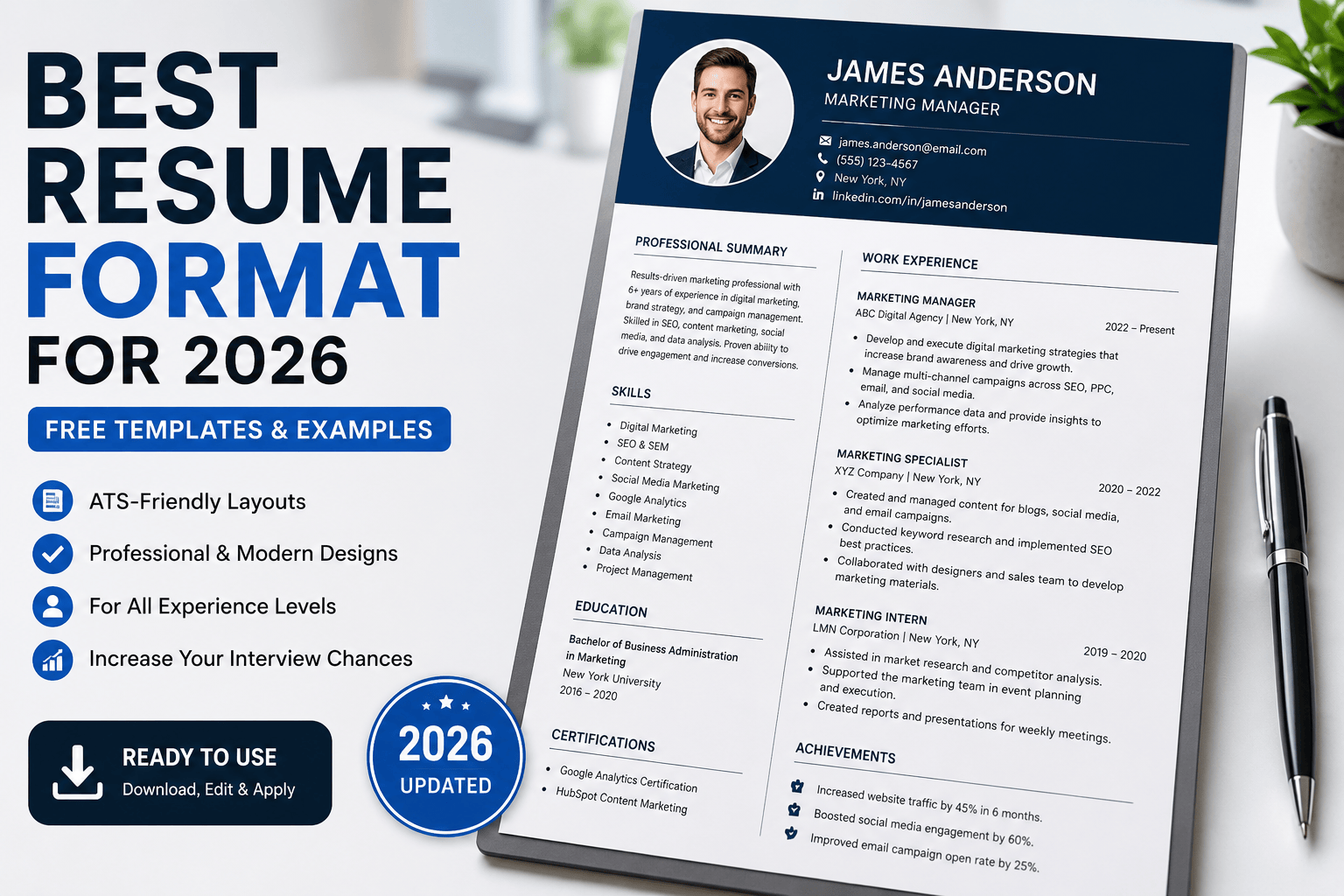
Your Ultimate Resume Guide: Crafting a Winning ApplicationStepping into the job market requires more than just good intentions; it demands a powerfully constructed resume that captures attention. Think of your resume as your personal marketing document, a concise yet impactful overview of your skills, experience, and potential. This comprehensive resume guide walks you through every crucial step.
Understanding the core components of an impressive resume is the first step toward landing that dream interview. This isn't just about listing your past jobs; it's about strategically presenting your accomplishments and aligning them with the roles you target. Our goal is to equip you with the know-how to build a resume that truly reflects your professional worth.
| Resume Section | Purpose | Key Details to Include |
|---|---|---|
| Contact Information | Easy employer access | Name, phone, email, LinkedIn URL |
| Summary/Objective | Hook the reader quickly | 2-3 impactful sentences, highlight value |
| Work Experience | Showcase career journey | Job title, company, dates, bulleted achievements |
| Education | List academic qualifications | Degree, major, institution, graduation date |
| Skills | Highlight relevant abilities | Technical skills, soft skills, languages |
How to Build Your Best Resume Guide
Understanding the Core Elements of an Effective Resume
Every impressive resume begins with a solid foundation, focusing on clarity and relevance. Employers quickly scan these documents, so every word counts in your resume guide. Prioritize presenting information that directly relates to the job you want, cutting out anything superfluous.
Think about the perspective of a hiring manager, always short on time. They seek specific keywords and quantifiable achievements that match their open role. Your resume should be a tailored response to their job description, not a generic career history.
Even subtle choices like font style or margins contribute to a resume's professional appearance. A clean, easy-to-read layout ensures your critical information isn't overlooked. These details, often underestimated, can make a significant difference in how your application is perceived.
Crafting Each Section of Your Resume Guide for Impact
Your resume's summary or objective statement sets the tone, acting as a powerful hook. Instead of a generic statement, craft a brief, compelling pitch that highlights your unique value proposition. This opening section should immediately tell the employer why you are a strong candidate.
When detailing your work experience, shift from merely listing duties to showcasing accomplishments using action verbs. For instance, instead of "responsible for sales," write "Increased sales revenue by 15% through strategic client outreach." Quantify your achievements whenever possible to provide concrete evidence of your impact.
The skills section should be a blend of hard and soft skills, tailored to the job posting. Review the job description carefully and include technical proficiencies like software programs, alongside interpersonal skills such as leadership or problem-solving. This targeted approach demonstrates your direct fit for the role.
Education and certifications should be clear and concise, highlighting relevant degrees or specialized training. Place more recent or higher education prominently. Even volunteer work or special projects can be included if they demonstrate skills relevant to your target positions, adding another layer to your comprehensive resume guide.
| Resume Component | Best Practice | Common Pitfall |
|---|---|---|
| Summary | Highlight achievements, tailored | Generic, duty-focused |
| Experience | Action verbs, quantify results | Passive language, just listing tasks |
| Skills | Relevant hard & soft skills | Overly broad, untargeted list |
| Formatting | Clean, consistent, easy to read | Cluttered, inconsistent, hard to scan |
What Common Mistakes Should You Avoid in Your Resume Guide?
One prevalent mistake on a resume is failing to customize it for each job application. Using a one-size-fits-all approach often means your resume misses key requirements outlined in the job description. Take the time to tweak keywords and examples, making your resume directly relevant to the specific role.
Another common pitfall involves grammatical errors and typos, which can significantly undermine your credibility. Even a single mistake can suggest a lack of attention to detail, so proofreading meticulously is essential. Reading your resume aloud or having a trusted friend review it can catch errors you might otherwise miss.
Many job seekers also neglect to quantify their achievements, leaving employers to guess their impact. Vague statements like "managed projects" don't tell the full story. Always strive to include numbers, percentages, or specific outcomes that demonstrate your contributions clearly, strengthening your overall resume guide.
| Avoid This | Instead, Do This | Why It Matters |
|---|---|---|
| Generic Objective | Tailored Summary Statement | Grabs attention, shows relevance |
| Typos & Grammar Errors | Meticulous Proofreading | Maintains professionalism, shows care |
| Lack of Quantifiable Results | Include Numbers, Percentages | Demonstrates impact, proves value |
| Inconsistent Formatting | Use a Clean, Standard Layout | Enhances readability, looks polished |
Frequently Asked Questions About Your Resume Guide
What is the ideal length for a resume?
Generally, a one-page resume is preferred for candidates with less than 10 years of experience. Those with extensive careers or specialized fields may extend to two pages, but every section must add significant value. Always prioritize quality and relevance over sheer length, ensuring conciseness for busy hiring managers.
Should I include a photo on my resume?
In the U.S., it's generally best to omit a photo from your resume. This practice helps prevent unconscious bias and ensures that hiring decisions are based solely on your qualifications and experience. Focus on your professional content rather than personal appearance, keeping the process objective.
How do I make my resume stand out without being flashy?
To make your resume stand out, focus on strong action verbs, quantifiable achievements, and tailoring it to each job. Use a clean, professional design rather than excessive graphics or unusual fonts. Highlight unique projects, relevant skills, and specific results to capture attention authentically and effectively.
Is a resume summary or objective better?
For most professionals, a resume summary is more effective. It highlights your top skills and achievements, showing employers what you bring to the table right away. An objective statement, which focuses on what you seek, is generally only suitable for entry-level candidates or those undergoing a career change.
How often should I update my resume?
It's smart to update your resume annually or whenever you achieve significant milestones, complete a major project, or gain new skills. This keeps it current and ready for unexpected opportunities. Even if you're not actively looking, having an updated resume saves time when a great role appears.
Should I list all my past jobs on my resume?
Focus on including jobs relevant to your career goals and the position you're applying for, typically covering the last 10-15 years. You don't need to list every single job you've ever held, especially if older roles don't showcase transferable skills. Emphasize quality and strategic relevance.