


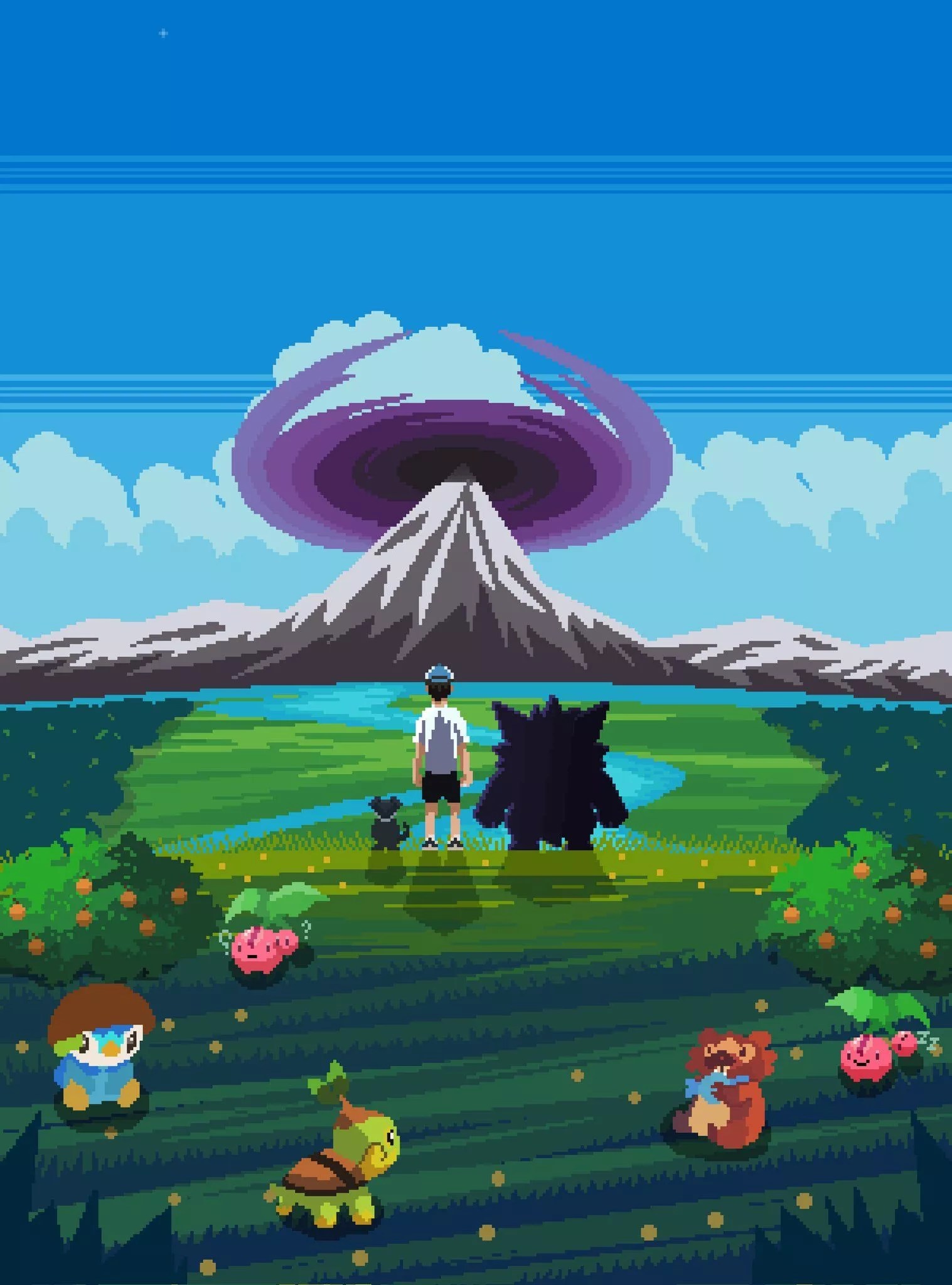




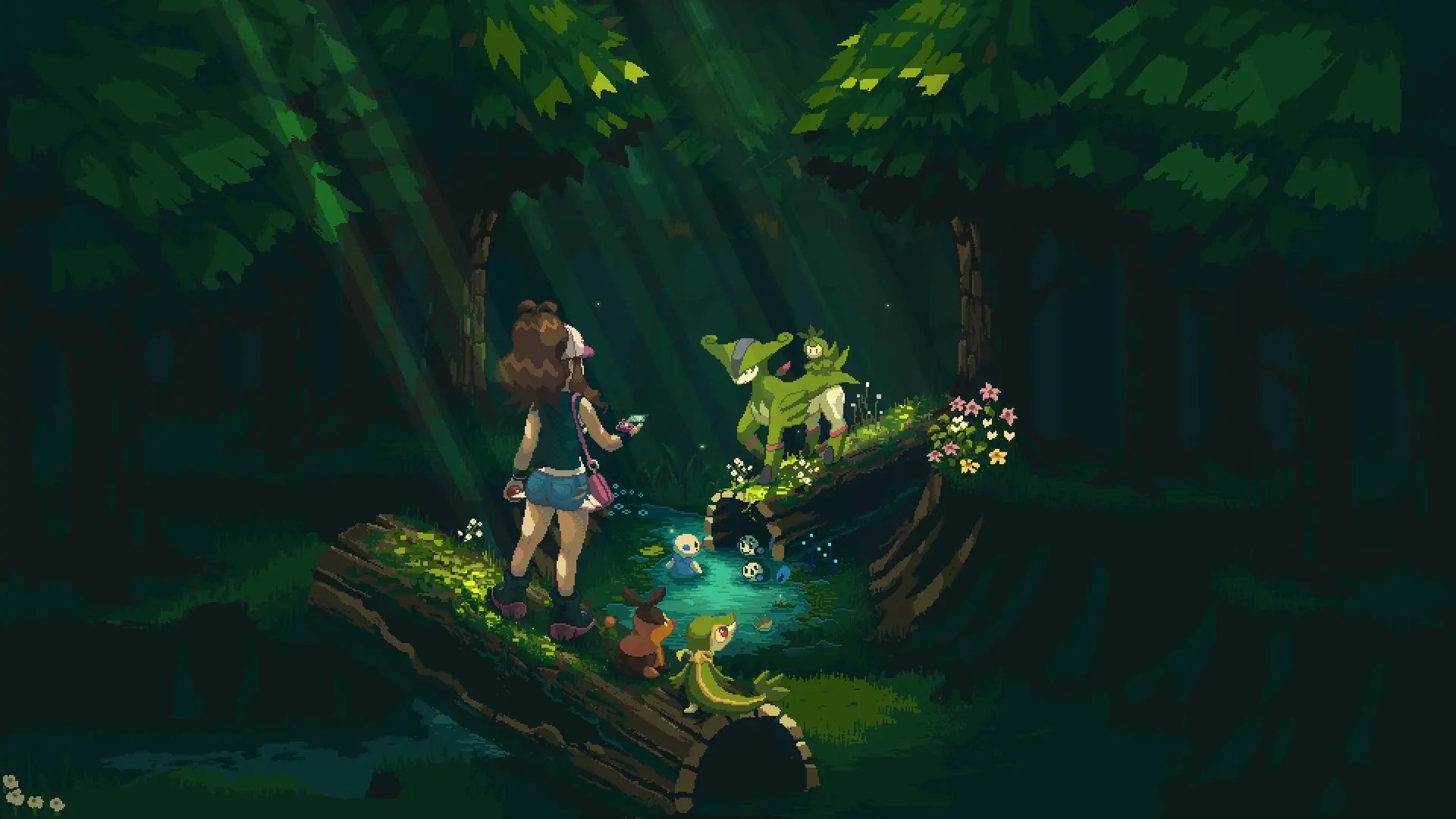
How to start creating pixel art Pokemon?
To begin creating pixel art Pokemon, choose dedicated software like Aseprite or Piskel. Start with a basic outline using a 1-pixel brush, then fill in base colors and add shading based on a consistent light source. Focus on clean lines and precise pixel placement to capture the iconic style of pixel art Pokemon graphic.What are the essential tools for pixel art Pokemon?
The essential tools for pixel art Pokemon include specialized software like Aseprite, Piskel, or GraphicsGale, which offer pixel-perfect drawing and animation capabilities. A reliable mouse or drawing tablet, along with good reference images of official Pokemon sprites, are also crucial for accurate and appealing pixel art Pokemon graphic creation.Why is pixel art Pokemon still so popular?
Pixel art Pokemon remains popular due to nostalgia for classic games, its distinct charming aesthetic, and an active community that creates new fan art and games. The simplicity and visual clarity of pixel art allow for enduring character recognition and creative expression, ensuring the pixel art Pokemon graphic style continues to resonate with fans of all ages.Is it legal to make and share pixel art Pokemon fan art?
It is generally legal to create and share pixel art Pokemon fan art for personal, non-commercial purposes. However, using official characters for commercial gain, such as selling merchandise or games, without proper licensing from Nintendo and The Pokemon Company, can lead to copyright infringement. Always ensure your pixel art Pokemon graphic adheres to fan art guidelines.What are common mistakes beginners make in pixel art Pokemon?
Beginners often make common mistakes in pixel art Pokemon like using too many colors, creating 'jaggies' (messy, uneven lines), or lacking a consistent light source for shading. Over-detailing small sprites and failing to use good reference material are also frequent errors. Focusing on clean lines and a limited palette improves pixel art Pokemon graphic significantly.How can I improve my pixel art Pokemon skills quickly?
To quickly improve your pixel art Pokemon skills, practice regularly, study official sprites intently, and seek constructive feedback from online pixel art communities. Experiment with different techniques like dithering and anti-aliasing (carefully!) and challenge yourself with varied Pokemon designs. Consistent effort and learning from experienced artists will refine your pixel art Pokemon graphic expertise.Where can I find inspiration for new pixel art Pokemon designs?
Inspiration for new pixel art Pokemon designs can be found everywhere, from official game sprites and concept art to diverse fan communities on platforms like DeviantArt, Reddit, and Pinterest. Exploring real-world animals, mythology, and unique color palettes can also spark creative ideas for your original pixel art Pokemon graphic. Looking at other pixel artists' work is also a great way to inspire your own.Dive into the vibrant world of pixel art Pokemon graphics, exploring what makes these retro-inspired designs so captivating for fans and artists alike. Discover essential tools and techniques to start crafting your own unique pixel art Pokemon creations, from iconic sprites to dynamic scenes. This guide covers everything from understanding foundational pixel art principles to advanced tips for bringing your favorite pocket monsters to life in stunning 8-bit or 16-bit glory. Learn how to navigate popular software, master color palettes, and join a thriving community of pixel artists. Whether you're a seasoned artist or a budding enthusiast, uncover practical advice to elevate your pixel art skills and truly make your mark in the Pokemon fan art space. We'll also address common pitfalls and offer actionable recommendations to ensure your pixel art journey is both rewarding and visually impressive for a U.S. audience.
There's an undeniable magic to pixel art Pokemon graphic that transports many of us back to simpler gaming days. It's more than just a style; it's a testament to creativity within constraints, building entire worlds one tiny square at a time. For artists and fans alike, capturing the essence of these beloved creatures in pixel form offers a unique blend of nostalgia and artistic expression.
Whether you're aiming to recreate classic sprites or invent new forms, diving into pixel art Pokemon graphic can be a deeply rewarding endeavor. This guide will walk you through the fundamentals, sharing practical insights and common pitfalls to help you master this captivating art form. We'll explore the tools, techniques, and vibrant community that make this artistic niche so special.
What is Pixel Art Pokemon Graphic?
Pixel art Pokemon graphic refers to the distinctive visual style seen in early Pokemon games, characterized by images built from individual colored pixels. It's a form of digital art where the artist meticulously places each pixel to create a cohesive image. This style evokes a strong sense of nostalgia and charm for many.
Understanding the limitations and strengths of pixel art is crucial for successful creation. Artists use a finite color palette and resolution, forcing creative decisions that define the aesthetic. This approach gives pixel art its unique, blocky yet detailed appearance, cherished by fans worldwide.
| Aspect | Description | Impact on Art |
|---|---|---|
| Definition | Digital art composed of individual pixels. | Creates a distinct, retro aesthetic. |
| Core Principle | Manual placement of each pixel. | Requires precision and thoughtful design. |
| Aesthetic | Blocky, often low-resolution but detailed. | Evokes nostalgia and unique visual charm. |
| Applications | Games, fan art, animations, icons. | Versatile for various digital media. |
The beauty of pixel art Pokemon graphic lies in its deliberate simplicity, where every single pixel matters. Unlike high-resolution images, you cannot rely on blending or complex textures here. Instead, artists master shading and dithering techniques to imply depth and form.
This meticulous process often starts with basic shapes and then refines them pixel by pixel. Think of it like a digital mosaic, where each tile contributes to the overall picture. It's a challenging yet incredibly satisfying way to bring characters to life.
Many artists find that the constraints of pixel art actually foster greater creativity. When you have fewer colors or pixels, you must be more inventive with your choices. This constraint pushes you to think differently about form, light, and shadow.
Ultimately, pixel art Pokemon graphic is a celebration of foundational digital art principles. It demonstrates how powerful visuals can be crafted with minimal elements. The enduring appeal of these sprites proves that innovation often thrives within specific boundaries.
| Key Insight | Detail | Artist Benefit |
|---|---|---|
| Pixel Precision | Every pixel placement is intentional. | Develops keen attention to detail. |
| Limited Palette | Working with fewer colors. | Enhances understanding of color theory. |
| Dithering Mastery | Techniques for blending and texture. | Adds depth without more colors. |
| Creative Constraints | Defined resolution and color limits. | Fosters innovative problem-solving. |
How to Create Your Own Pixel Art Pokemon Graphic?
Getting Started: Tools and Mindset
To embark on your journey creating pixel art Pokemon graphic, selecting the right tools is your first step. While simple, a good pixel art editor provides the necessary grid view and precise control. Free options like Piskel or Aseprite (paid but highly recommended) offer robust features tailored for pixel artists.
Beyond software, cultivating a patient and observational mindset is key. Pixel art demands attention to detail, so resist the urge to rush. Spend time studying official Pokemon sprites to understand their construction, proportions, and unique characteristics.
Your approach should be iterative; start with a basic outline, then slowly add details, refining pixel by pixel. Think about the overall form before diving into minute specifics. This layered process ensures your pixel art Pokemon graphic builds up correctly.
- Software Choices: Piskel, Aseprite, GraphicsGale, or even Photoshop/GIMP with appropriate settings.
- Reference Material: Always keep official Pokemon sprites and concept art handy.
- Community Engagement: Join online forums or Discord servers to share work and get feedback.
The Core Techniques of Pixel Art
Mastering line art is fundamental for any pixel art Pokemon graphic. Use the single-pixel brush tool to create clean, sharp outlines without jagged edges or unintended curves. Avoid using anti-aliasing; pixel art thrives on crisp, distinct lines.
Next, tackle coloring and shading. Begin by filling in flat base colors, then introduce lighter and darker shades to define form and light source. Employ techniques like dithering to create smooth transitions between colors or add texture, giving your Pokemon sprites more depth.
Finally, consider animation if you're feeling ambitious. Even subtle movements, like a slight bounce or blinking eyes, can bring your pixel art Pokemon graphic to life. Break down movements into individual frames and gradually adjust pixels to create fluid motion.
- Line Art: Use a 1-pixel pencil tool for crisp, clean outlines.
- Coloring: Apply flat base colors first, then introduce shades for depth.
- Shading Techniques: Experiment with light sources and dithering for smooth transitions.
- Animation Basics: Create subtle movements frame-by-frame for dynamic sprites.
Common Mistakes and Pro Tips
A frequent error when creating pixel art Pokemon graphic is using too many colors or an inconsistent palette. Stick to a limited, cohesive color scheme for a more authentic retro feel. Overdoing anti-aliasing or unintentional messy pixels, often called 'jaggies,' also detracts from the clean pixel aesthetic.
Another pitfall is failing to establish a clear light source, leading to flat-looking sprites. Always decide where your light is coming from and shade consistently across your Pokemon. Don't forget that proportions are key; keeping your Pokemon recognizable often means respecting their iconic shapes.
A practical recommendation for improving is constant practice and critical self-evaluation. Don't be afraid to scrap a piece and start fresh if it's not working. Also, learning from experienced pixel artists through tutorials and critiques can rapidly accelerate your skill development. Remember, every pixel counts in bringing your pixel art Pokemon graphic vision to life.
When you're working on your pixel art Pokemon graphic, sometimes less is more. Forcing too much detail into a small canvas often makes the image look cluttered and loses its charm. Focus on conveying essential features efficiently with a minimal pixel count.
Consider the scale of your canvas carefully; a smaller canvas size forces you to be more deliberate with every pixel. This disciplined approach often leads to cleaner, more impactful sprites. Experiment with different resolutions to find what works best for your style.
Saving frequently and backing up your work is a simple but critical tip. There’s nothing worse than losing hours of painstaking pixel placement due to a software crash. Keep multiple versions as you progress, especially when making significant changes to your pixel art Pokemon graphic.
| Common Mistake | Why it Happens | Recommendation |
|---|---|---|
| Too Many Colors | Desire for realism or complexity. | Use a limited, consistent palette for cohesion. |
| Messy Lines/Jaggies | Inconsistent pixel placement, anti-aliasing. | Stick to single-pixel lines; zoom in often. |
| Flat Shading | No clear light source defined. | Decide light source early; shade consistently. |
| Poor Proportions | Not using reference or rushing. | Study official sprites; work on a clear outline. |
| Over-detailing | Trying to add too much information. | Focus on essential features, keep it clean. |
Why are Pixel Art Pokemon Graphics Still Relevant?
The Enduring Charm of Retro Gaming
Pixel art Pokemon graphic holds a timeless appeal, deeply rooted in the enduring charm of retro gaming. For many, these classic sprites represent the golden age of video games, evoking powerful feelings of nostalgia. This emotional connection keeps the aesthetic relevant, even amidst modern, high-fidelity graphics.
The simplicity and stylistic constraints of pixel art often lead to more iconic and memorable character designs. A well-crafted pixel art Pokemon graphic is instantly recognizable, transcending technological advancements. This iconic status ensures its continued appreciation by new and old fans alike, securing its place in gaming history.
Additionally, the limitations of pixel art force designers to be incredibly creative and efficient with their visual storytelling. Every pixel choice becomes impactful, conveying character and mood without the need for complex rendering. This design philosophy resonates deeply with artists who appreciate purposeful and impactful visual communication.
Community Creations and Fan Projects
The vibrant community surrounding pixel art Pokemon graphic is a significant factor in its ongoing relevance. Enthusiasts constantly create new fan art, custom sprites, and even entirely new fan games. This continuous output keeps the style fresh and introduces it to new generations of artists and players.
Online platforms are teeming with artists sharing their unique takes on Pokemon, from reimagined creatures to original regional forms, all in pixel art. This collaborative environment fosters innovation and provides endless inspiration. The accessibility of pixel art tools also lowers the barrier to entry, allowing many to contribute.
Furthermore, pixel art lends itself well to modding and independent game development. Developers can easily create or adapt pixel art assets, making it a practical choice for indie projects that seek to capture a retro feel. This practical utility combined with passionate fan engagement ensures pixel art Pokemon graphic remains a cherished and active part of the gaming landscape.
Frequently Asked Questions About Pixel Art Pokemon Graphics
What software is best for pixel art Pokemon?
Aseprite is widely considered the best software due to its powerful tools specifically designed for pixel art and animation. Other great options include Piskel for a free browser-based experience, or GraphicsGale for comprehensive features. Even GIMP or Photoshop can work with the right settings, but dedicated pixel art programs streamline the process for making compelling pixel art Pokemon graphic.
Can I use official Pokemon designs for fan art?
Creating fan art, including pixel art Pokemon graphic, is generally accepted within the community for personal, non-commercial use. However, selling merchandise or games featuring official Pokemon designs without permission can lead to legal issues. Always respect intellectual property rights and use official characters responsibly as inspiration for your unique creations.
How do I make a Pokemon sprite from scratch?
To make a Pokemon sprite from scratch, start by sketching a basic outline in your pixel art software using a 1-pixel brush. Then, establish a light source and apply base colors, followed by shades and highlights to add depth. Refine the outline and details pixel by pixel, focusing on clean lines and consistent shading to perfect your pixel art Pokemon graphic.
Where can I find pixel art Pokemon resources?
You can find abundant pixel art Pokemon resources on websites like The Spriters Resource, DeviantArt, or dedicated pixel art communities on Reddit and Discord. These platforms offer official sprite sheets, fan-made assets, tutorials, and inspiration. Search for 'Pokemon pixel art tutorial' or 'Pokemon sprites' to discover a wealth of useful materials for your projects.
Is pixel art hard to learn for beginners?
Pixel art can seem challenging initially due to its precise nature, but it's highly accessible for beginners with patience and practice. Starting with simpler designs and focusing on fundamental concepts like line art, color, and shading builds a strong foundation. Many free tutorials and communities exist to support new artists creating pixel art Pokemon graphic, making it a rewarding skill to develop.
What resolutions are common for Pokemon pixel art?
Common resolutions for pixel art Pokemon graphic often range from small sizes like 16x16 or 32x32 pixels for individual sprites, up to 64x64 or 96x96 for more detailed character work or smaller game elements. Backgrounds and larger scenes can be higher, such as 256x224 (like original Game Boy screens) or 320x240 pixels. The chosen resolution heavily influences the level of detail you can achieve.