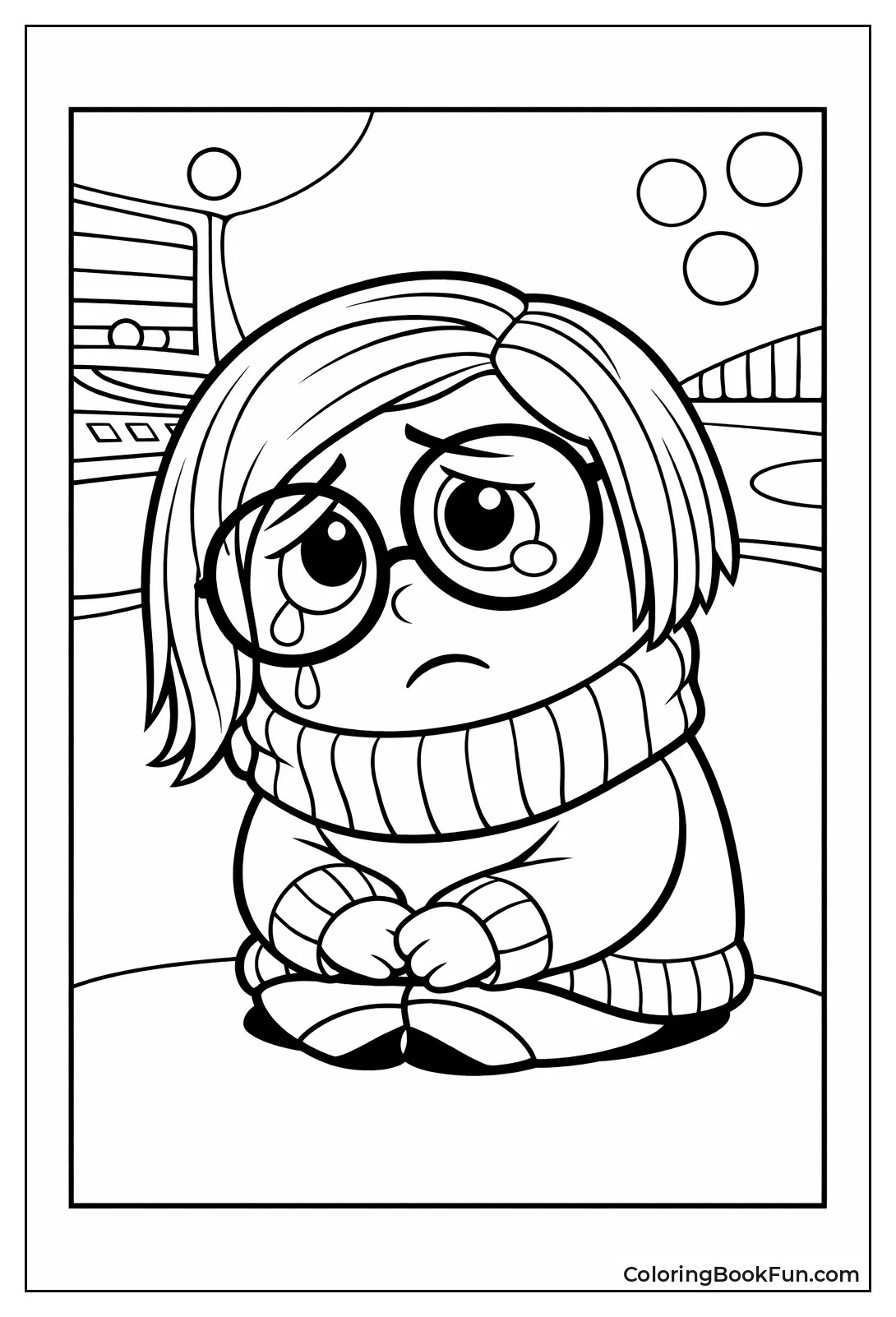


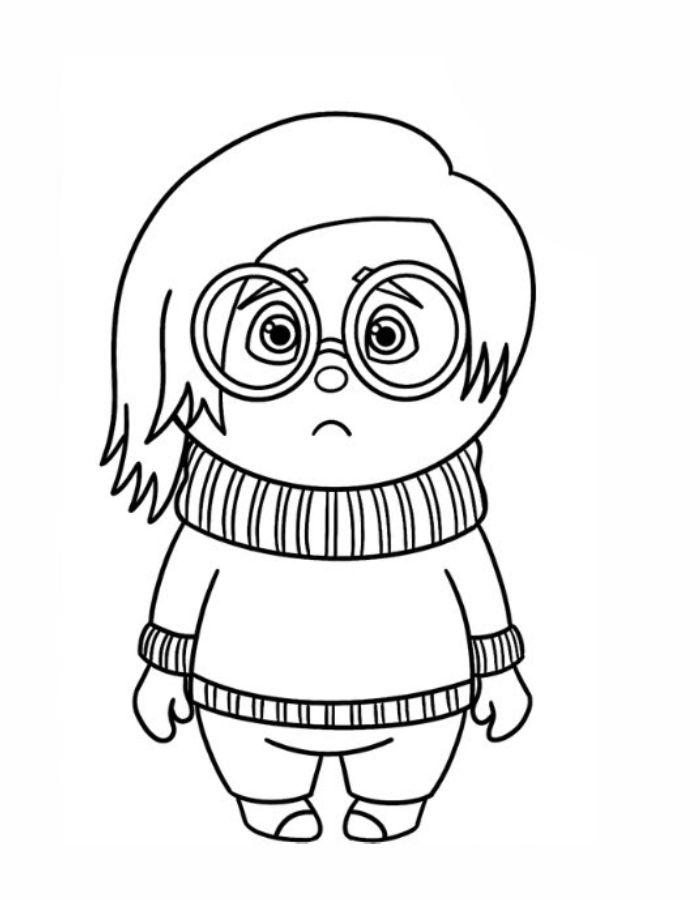

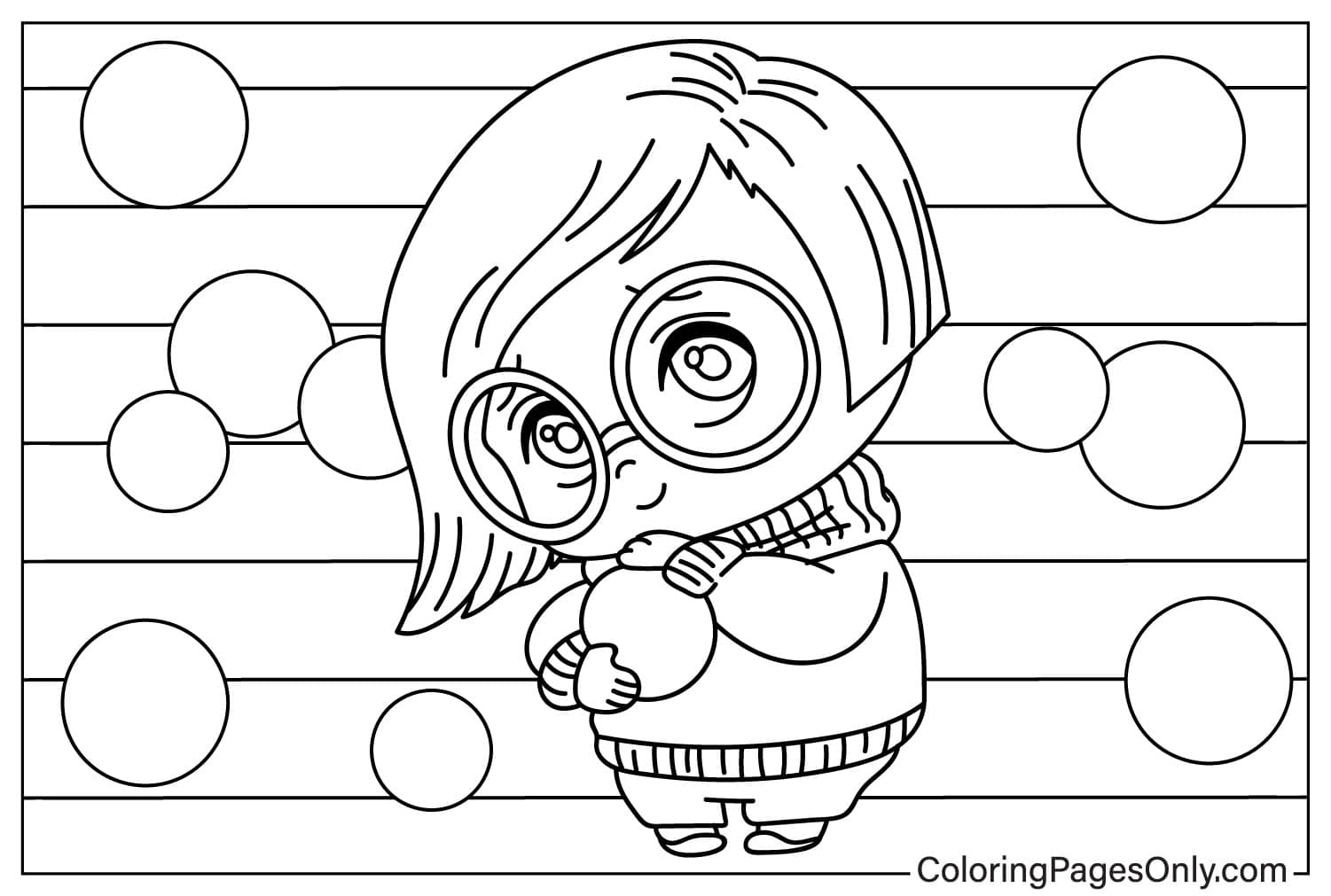





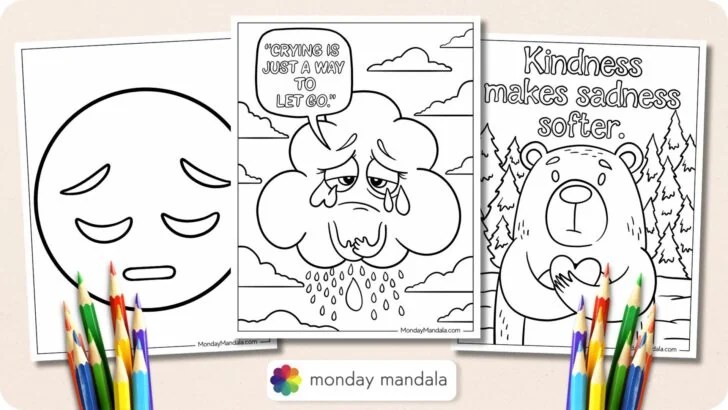


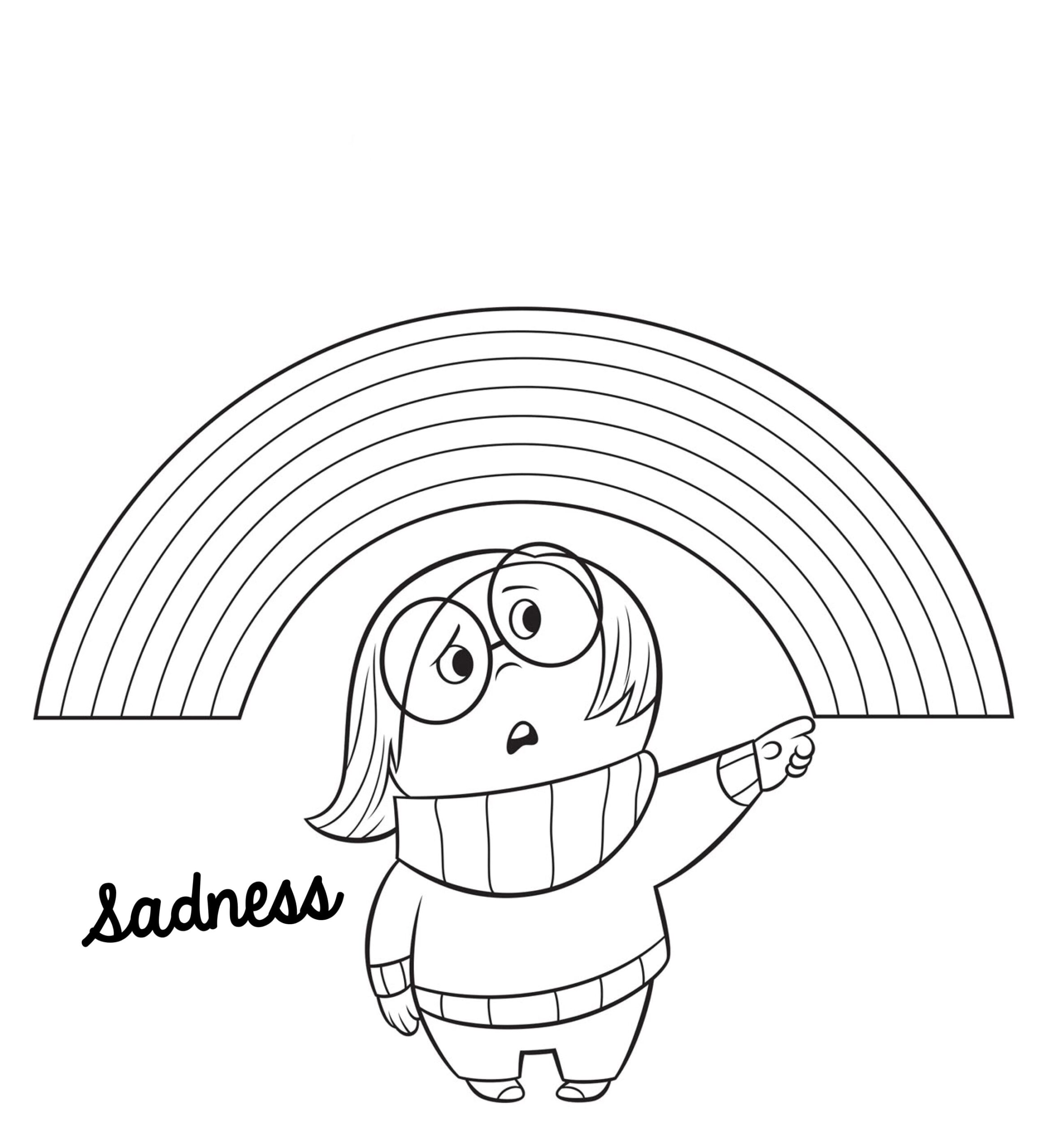


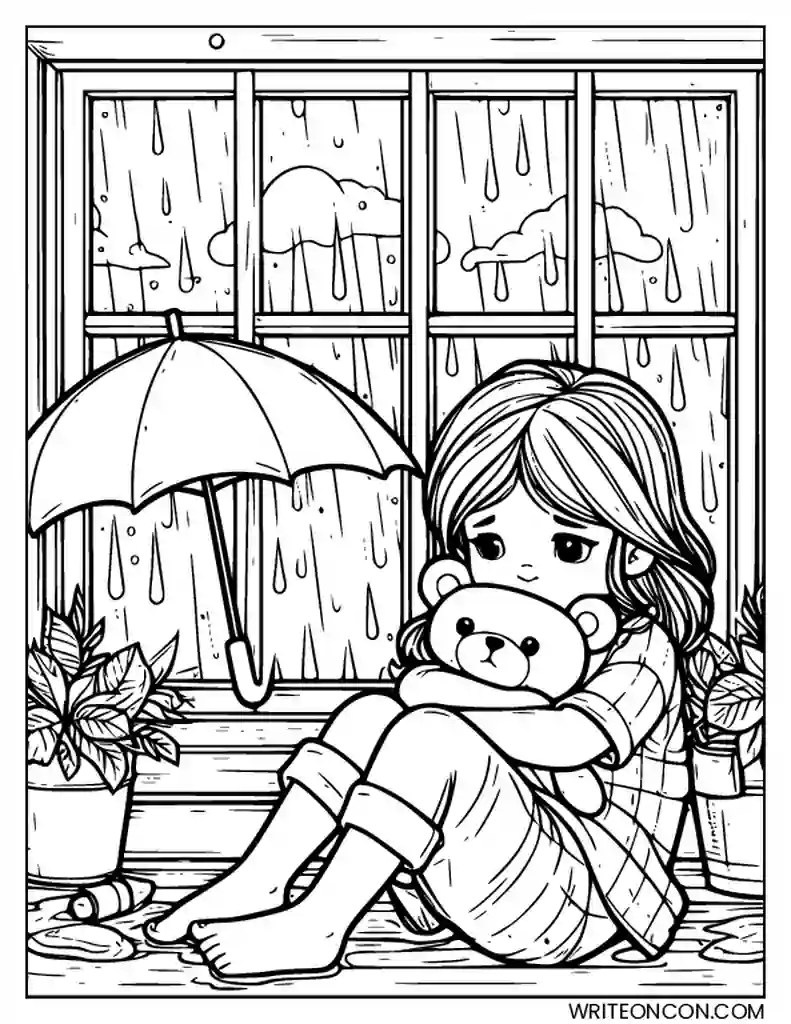

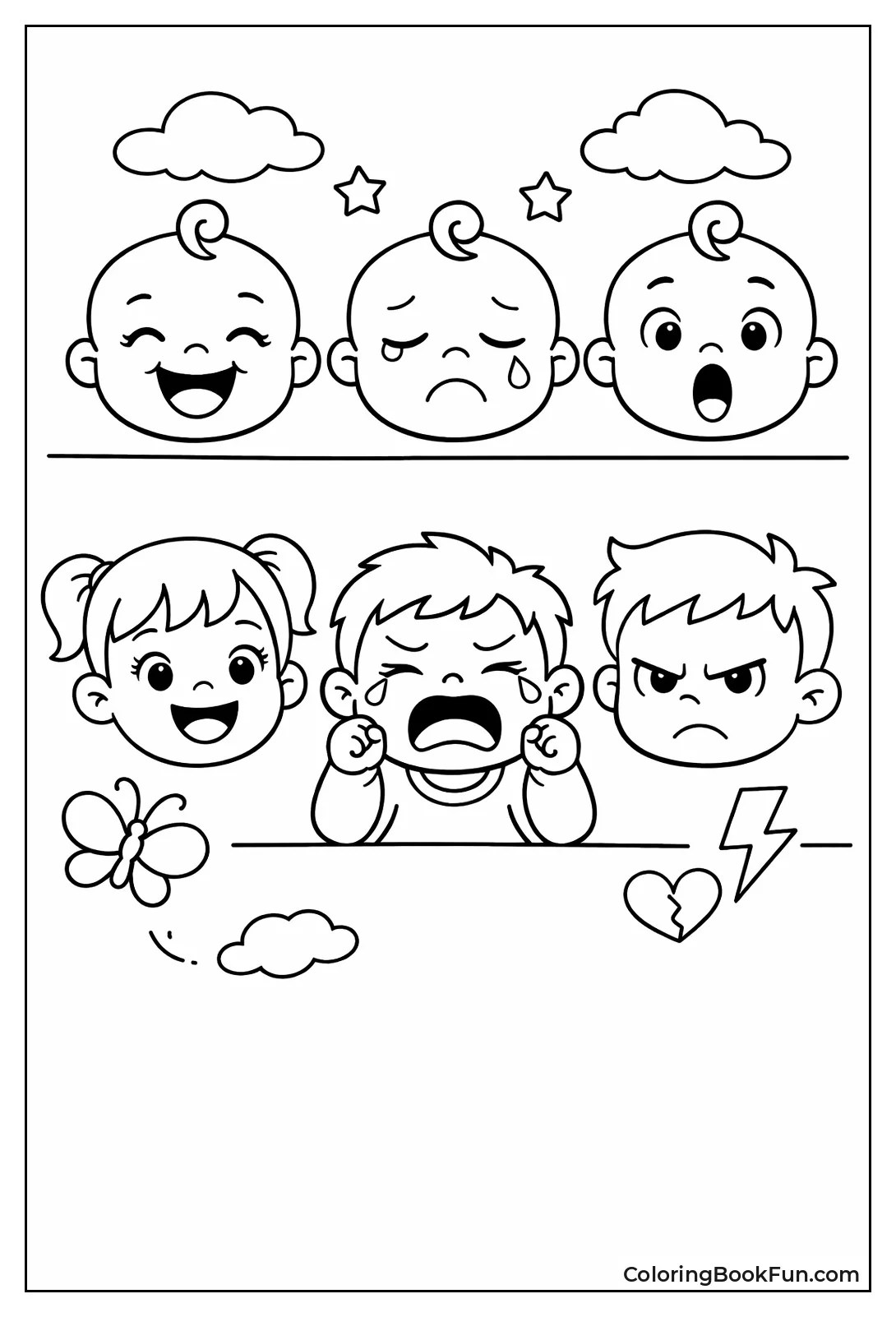
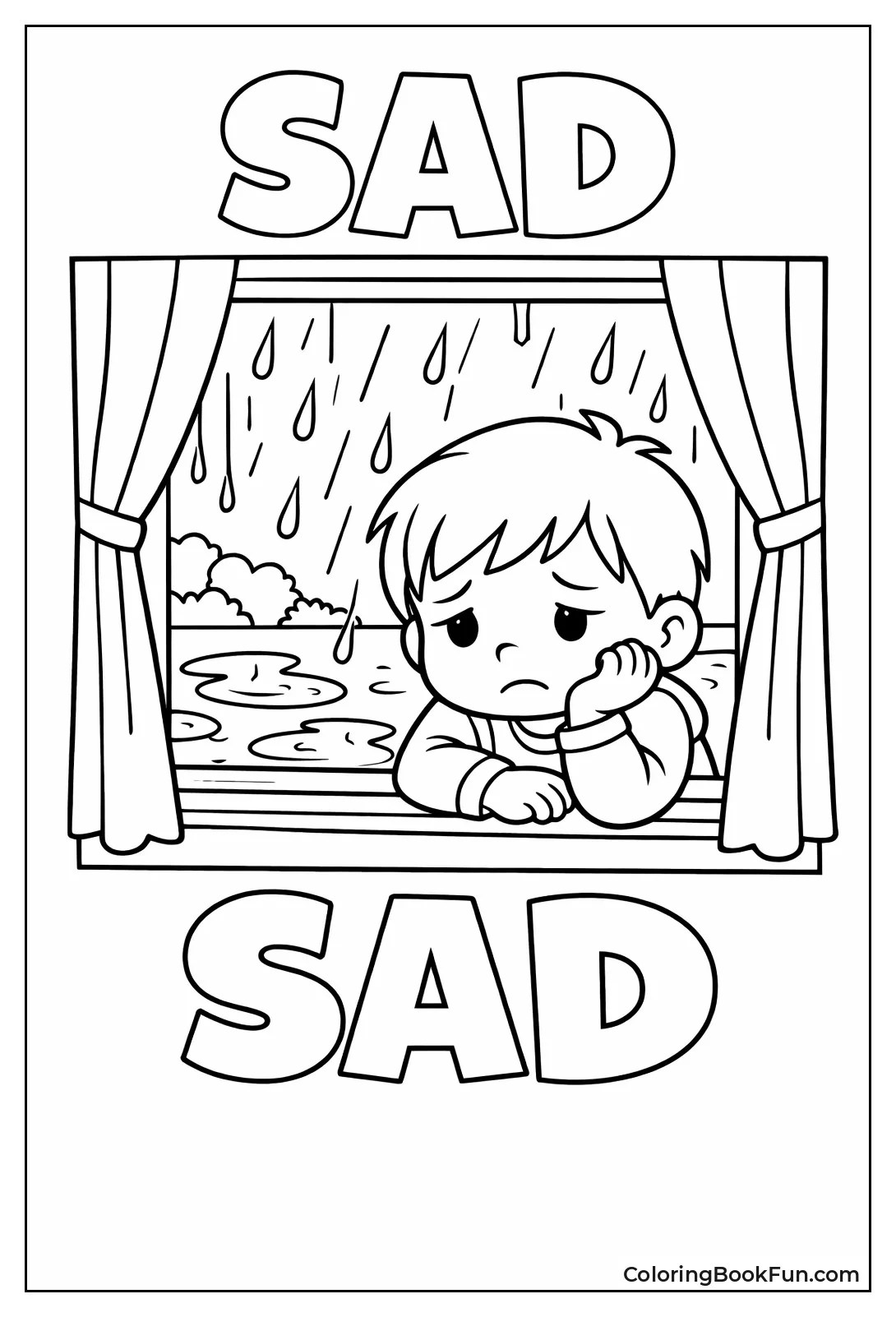


Discover how a sadness coloring page can help you process tough emotions. Engage with mindful art and find solace through creative expression. Start your journey to emotional well-being today.
When life throws curveballs, navigating tough emotions can feel overwhelming. That's where a sadness coloring page steps in, offering a uniquely gentle and accessible tool for processing those heavy feelings. It's not just for kids; adults across the U.S. are discovering the profound benefits of engaging with these mindful art activities to bring a sense of calm and clarity.
This guide will walk you through how using a sadness coloring page can become a vital part of your emotional well-being toolkit in 2026. We'll explore its therapeutic potential, where to find the best resources, and practical tips for making it a meaningful part of your self-care. Get ready to tap into a quiet yet powerful way to express what words sometimes can't.
| Aspect | Benefit | Consideration |
|---|---|---|
| Emotional Release | Provides a non-verbal outlet for feelings. | Requires willingness to confront emotions. |
| Mindfulness | Fosters present moment awareness and focus. | May not suit those seeking quick fixes. |
| Stress Reduction | Lowers cortisol levels through creative engagement. | Results vary based on individual practice. |
| Accessibility | Requires minimal supplies, easy to start. | Finding personally resonant designs is key. |
| Self-Care Integration | Fits easily into daily or weekly routines. | Commitment to regular use yields best results. |
How Can a Sadness Coloring Page Help Process Emotions?
A sadness coloring page provides a gentle, non-verbal avenue for emotional expression and processing, acting as a bridge between internal feelings and external representation. When you're wrestling with sorrow or distress, sometimes articulating those feelings verbally feels impossible. A sadness coloring page offers a tangible focal point, allowing your hands to engage in a calming, repetitive motion while your mind begins to sort through the emotional landscape.
This creative outlet encourages a form of active meditation. You're not just passively coloring; you're intentionally engaging with the act of filling in spaces, choosing colors that resonate with your internal state. This focused activity can gently pull your mind away from overwhelming thought loops, offering a much-needed mental break.
Many people find that the act of bringing color to a black-and-white image helps to externalize their inner turmoil. It's a way to acknowledge the emotion, give it form, and perhaps even contain it within the boundaries of the page. This subtle shift from internal chaos to an external, manageable task can be incredibly empowering.
Furthermore, completing a sadness coloring page provides a sense of accomplishment, no matter how small. This completion can offer a quiet moment of control and mastery in a time when emotions might feel uncontrollable. It's a personal journey on paper, reflecting your resilience.
| Emotional Benefit | Description | Impact on Well-being |
|---|---|---|
| Active Acknowledgment | Confronting sadness indirectly through art. | Reduces emotional avoidance and build coping skills. |
| Creative Distraction | Shifting focus from distress to artistic creation. | Provides mental relief and breaks rumination cycles. |
| Symbolic Expression | Using colors and forms to represent internal feelings. | Deepens self-understanding and emotional literacy. |
| Therapeutic Flow | Entering a state of focused concentration. | Promotes relaxation, reduces anxiety, and fosters calm. |
Why Should Adults Consider Sadness Coloring Pages?
Adults can find significant therapeutic value in a sadness coloring page, leveraging it for stress relief, mindfulness, and a healthy emotional escape. We often assume coloring is solely for children, but the truth is, adult coloring books, particularly those themed around emotional processing, have surged in popularity for good reason. They offer a discreet and accessible way to engage in self-care without needing formal art therapy.
For many busy adults, finding moments of genuine calm feels like a luxury. A sadness coloring page provides an easy entry point into mindfulness. It demands just enough attention to keep your mind anchored in the present, away from work worries or life's pressures, allowing for a quiet mental reset.
Furthermore, these pages serve as a judgment-free zone for emotional expression. There's no right or wrong way to color, no pressure to create a masterpiece. It's simply about the process, about allowing yourself to feel and to channel those feelings into a creative act. This acceptance can be incredibly liberating for emotional well-being.
| Adult Benefit | Explanation | Practical Application |
|---|---|---|
| Accessible Therapy | Offers a low-barrier entry to therapeutic expression. | Integrate into daily wind-down routines. |
| Mindful Escape | Provides a focused activity to quiet a busy mind. | Use during breaks or moments of stress. |
| Emotional Validation | Allows for safe acknowledgment of difficult feelings. | Helps in processing grief, anxiety, or general melancholy. |
| Non-Verbal Release | Expressing complex emotions without needing words. | Ideal for those who struggle with verbalizing feelings. |
Where Can You Find Effective Sadness Coloring Pages?
Finding the right sadness coloring page is easier than you think, with many online and physical resources available to suit various preferences. Online platforms are a treasure trove for digital downloads. Websites dedicated to mental wellness, art therapy resources, and even popular craft sites often offer a wide array of printable options. Simply searching for 'printable sadness coloring page' or 'grief art therapy sheets' will yield numerous results.
Etsy and other online marketplaces also feature independent artists who create beautiful, emotionally resonant designs. Purchasing from these creators often means supporting small businesses while gaining access to unique, high-quality illustrations tailored to emotional themes. Many of these offer immediate digital downloads, letting you start coloring within minutes.
For those who prefer a tangible book, traditional bookstores and online retailers carry a growing selection of adult coloring books focused on emotions. Look for titles that specifically mention themes like 'healing,' 'mindfulness,' or 'processing emotions.' Flipping through a physical book allows you to gauge the designs and find what truly resonates with your needs.
Don't overlook local community centers or therapy practices either. Sometimes, they offer free resources or recommendations for sadness coloring pages as part of their mental health support programs. It’s worth checking if there are local initiatives promoting expressive arts.
Is Coloring for Sadness Truly Therapeutic?
Yes, using a sadness coloring page can indeed offer significant therapeutic benefits, promoting mental well-being by engaging both your creative and cognitive functions. Research in art therapy points to the positive impact of creative expression on mood regulation and stress reduction. Coloring, especially with intention, stimulates parts of the brain associated with focus and problem-solving, diverting energy from anxiety-provoking thoughts.
The repetitive motion of coloring can induce a meditative state, similar to that achieved through other mindfulness practices. This 'flow' state helps to calm the nervous system, lower heart rate, and reduce feelings of being overwhelmed. It provides a healthy, constructive outlet for energy that might otherwise manifest as restlessness or rumination.
Moreover, choosing colors and applying them allows for symbolic expression. Darker hues might represent the intensity of sadness, while lighter colors could signify hope or a desire for peace. This non-verbal communication can offer profound insights into one's emotional state, aiding in self-discovery and acceptance.
For individuals who find traditional therapy daunting or struggle to verbalize their feelings, a sadness coloring page offers a low-pressure entry point into emotional processing. It's a personal, private activity that empowers you to explore your inner world at your own pace, without judgment or expectations.
When is the Best Time to Use a Sadness Coloring Page?
The ideal time to engage with a sadness coloring page is whenever you feel the need for emotional release, mindful introspection, or simply a quiet break from daily pressures. There’s no single 'best' time; it’s about listening to your body and mind.
Many find it incredibly helpful during moments of acute emotional distress. When sadness feels particularly heavy, pulling out a sadness coloring page can provide an immediate, calming activity to ground you. It acts as a healthy coping mechanism, offering a structured way to manage intense feelings rather than suppressing them.
Integrating it into a regular self-care routine, like before bedtime or during a morning quiet time, can also be beneficial. This proactive approach allows you to consistently check in with your emotions, processing any lingering sadness before it accumulates. It creates a ritual of emotional maintenance.
Consider using a sadness coloring page when you feel creatively blocked, stressed, or simply overwhelmed by noise and demands. It serves as a mental palate cleanser, allowing you to reset your focus and re-engage with tasks with renewed calm. It’s a versatile tool that adapts to your emotional needs.
How to Integrate a Sadness Coloring Page into Your Self-Care Routine?
Incorporating a sadness coloring page into your daily self-care involves mindful planning and making it a consistent, enjoyable practice that genuinely supports your emotional health. Start by dedicating a specific, quiet space for your coloring. This could be a comfy chair, a corner of your desk, or even just a tray on your lap. Having a designated spot makes it easier to fall into the routine and signals to your mind that it’s time for calm.
Next, gather your supplies. Keep a small kit with your chosen sadness coloring page, a variety of colored pencils or markers, and perhaps some calming music or a comforting beverage. The easier it is to access everything, the more likely you are to actually engage in the activity when the mood strikes.
Schedule short, regular sessions. Even 15-20 minutes a few times a week can make a difference. Think of it like taking a mini-break for your mind. It doesn't have to be a marathon; small, consistent efforts with your sadness coloring page are far more impactful than sporadic long sessions.
Finally, approach each session without judgment. The goal isn't a perfect picture but emotional release and mindfulness. Allow yourself to choose colors intuitively and embrace the process. This gentle approach ensures that using a sadness coloring page remains a source of comfort and not another source of stress.
What Common Pitfalls Should You Avoid with Sadness Coloring Pages?
To maximize the benefits of a sadness coloring page, it's wise to steer clear of certain misconceptions and practices that can diminish its therapeutic potential. One common pitfall is treating it like another chore or a task that needs to be completed perfectly. The very essence of using a sadness coloring page for emotional well-being is to release pressure, not create more. Remember, there’s no grade, no competition, and no audience for your artwork, just personal solace.
Another mistake is to approach coloring with a mind full of distractions. Trying to color while simultaneously scrolling through social media, watching TV, or engaging in intense conversations defeats the purpose of mindfulness. For a sadness coloring page to truly help, you need to dedicate your attention to the present moment and the task at hand. Create an environment that encourages quiet focus.
Also, don't expect instant, magical relief from deep-seated sadness or grief. While a sadness coloring page offers immediate calming effects, it is a tool for processing, not a cure-all. It works best as part of a broader self-care strategy that might include other forms of support, like talking to a friend or seeking professional guidance. Manage your expectations for what a single coloring session can achieve.
Lastly, avoid using a sadness coloring page only when emotions become overwhelming. Proactive engagement can be just as powerful. Incorporating it into a regular routine, even on days when you feel relatively good, can help build emotional resilience and provide a consistent outlet for daily stressors before they escalate into deep sadness. Consistency is key.
Engaging with a sadness coloring page is far more than just a creative pastime; it's a potent, accessible strategy for navigating the complexities of human emotion. By offering a non-verbal outlet, fostering mindfulness, and providing a gentle distraction, a sadness coloring page empowers you to acknowledge, process, and ultimately find solace in your feelings. Embrace this simple yet profound tool, making it a regular fixture in your self-care routine to nurture your mental well-being and emotional resilience. Don't just color; connect with yourself.
Frequently Asked Questions About Sadness Coloring Pages
What makes a sadness coloring page different from regular coloring?
A sadness coloring page is typically designed with themes, imagery, or patterns that allow for the expression and processing of difficult emotions like grief, melancholy, or anxiety. While regular coloring can be relaxing, these pages are intentionally created to provide a conduit for emotional release and introspection, often featuring more introspective or symbolic designs.
How can a sadness coloring page improve emotional awareness?
By focusing on a sadness coloring page, you are often prompted to consider the colors that resonate with your feelings, the textures you create, and the imagery you choose to emphasize. This intentional engagement can deepen your connection to your emotional state, helping you to identify and label feelings more clearly, thus enhancing overall emotional awareness.
Is there a recommended age for using sadness coloring pages?
Sadness coloring pages are primarily marketed and designed for adults and older teens, given their complex themes and focus on emotional processing. However, younger children experiencing sadness can also benefit from coloring, though they might require simpler designs and guidance from a parent or caregiver to interpret their feelings safely.