











What is sarcoidosis and how are lab findings used for diagnosis?
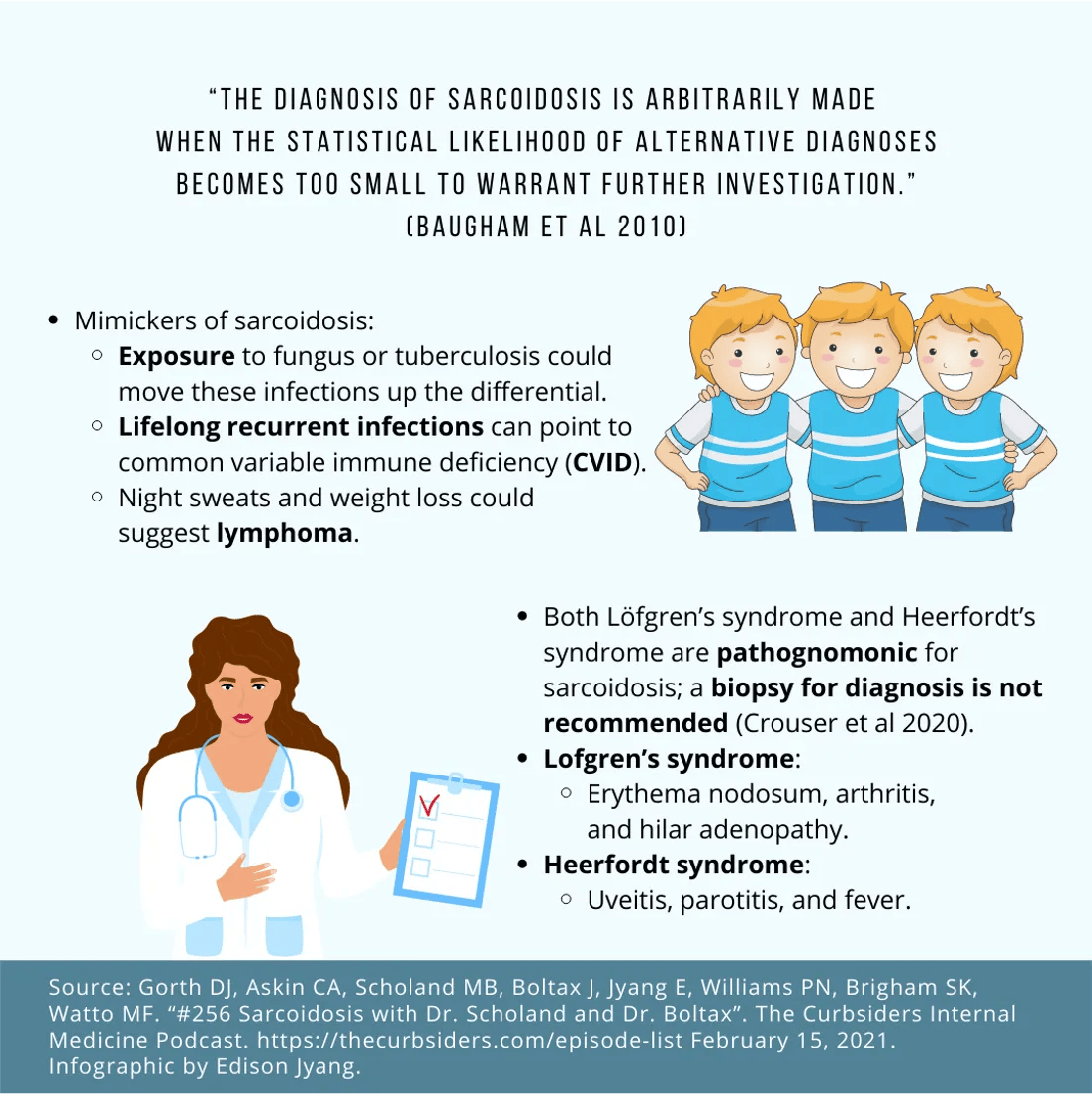
Sarcoidosis is an inflammatory disease causing granulomas, or tiny clumps of cells, to form in organs. Lab findings like elevated ACE levels, high blood calcium, and abnormal liver enzymes are crucial indicators. Doctors use these results along with symptoms and imaging to build a diagnostic picture, as no single lab test confirms sarcoidosis independently.
Why are elevated ACE levels a common sarcoidosis lab finding?
Elevated Angiotensin-Converting Enzyme (ACE) levels are frequently seen in sarcoidosis because the granulomas themselves can produce this enzyme. High ACE often suggests active disease. However, about 30 percent of patients might have normal ACE, so doctors consider other sarcoidosis lab findings and clinical signs too.
Can sarcoidosis affect calcium levels in the blood?
Yes, sarcoidosis can cause elevated calcium levels, known as hypercalcemia. This occurs because the granulomas produce a substance that mimics active vitamin D, leading to increased calcium absorption. Monitoring these sarcoidosis lab findings is vital to prevent kidney stones or other complications from high calcium.
What other blood tests are important for sarcoidosis diagnosis?
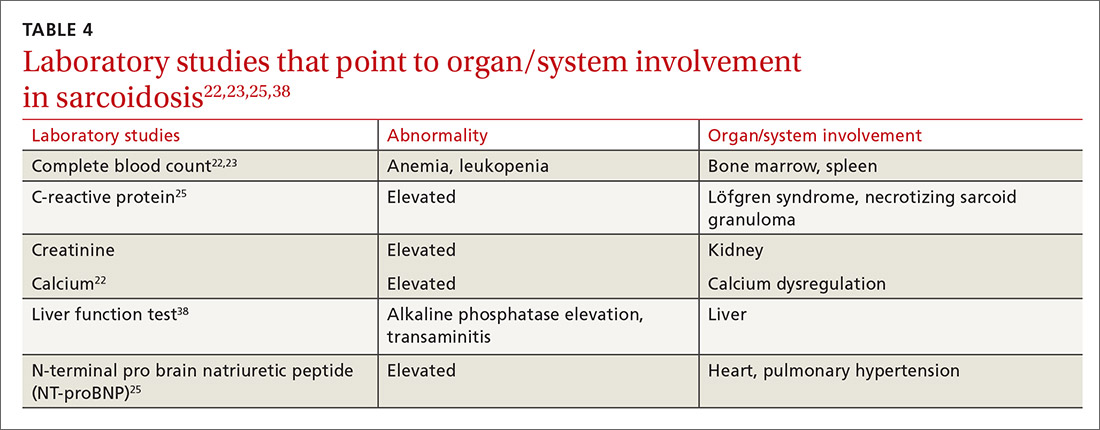
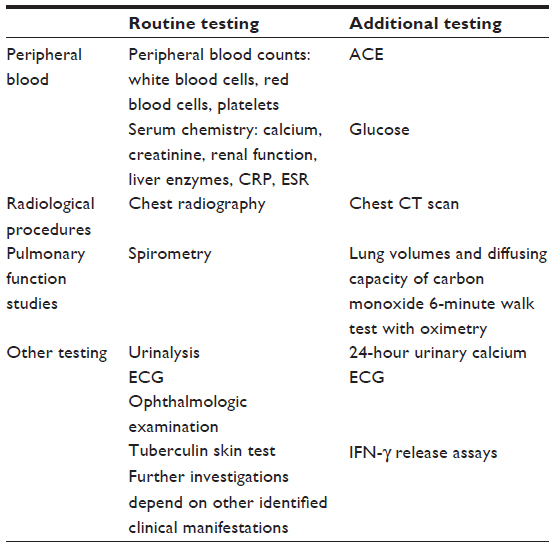
Beyond ACE and calcium, doctors look at inflammation markers like ESR and CRP, and liver function tests (AST, ALT, ALP). A complete blood count (CBC) can reveal anemia, while kidney function tests check for involvement. These diverse sarcoidosis lab findings paint a broader picture of the disease's impact.
Why is it important for young people to understand sarcoidosis lab findings?
Understanding sarcoidosis lab findings empowers young people to actively participate in their healthcare. Early awareness of what tests mean, why they're ordered, and what potential results indicate helps demystify the diagnostic process. This knowledge fosters informed discussions with doctors and can lead to better health outcomes and management strategies.
Are sarcoidosis lab findings always conclusive for diagnosis?
No, sarcoidosis lab findings are rarely conclusive on their own. They provide strong clues and support a suspected diagnosis but typically require confirmation through other methods, such as biopsies of affected tissue or imaging scans. Doctors integrate all information for an accurate diagnosis, understanding that labs are part of a larger puzzle.
Ever wondered about sarcoidosis lab findings and why they matter? This guide breaks down the essential blood tests and other diagnostic markers doctors use to understand this complex condition. We explore why understanding sarcoidosis lab findings is becoming a hot topic across the United States, especially among younger adults. Learn what specific lab results like ACE levels, calcium imbalances, and inflammation markers could indicate. This article solves the confusion around medical jargon, giving you clear, straightforward answers about what tests are involved, what problems they help solve, and why getting these initial insights can be a game-changer for your health journey. It’s all about empowering you with knowledge to confidently navigate potential health challenges. This is your go-to resource for grasping sarcoidosis lab findings simply and effectively. Stay informed about trending health queries and take control of your understanding.
Decoding Sarcoidosis Lab FindingsSarcoidosis is one of those health mysteries that can leave you scratching your head, making it a hot topic in health conversations. It’s a condition where tiny clumps of inflammatory cells, called granulomas, pop up in various organs, but doctors often rely on sarcoidosis lab findings to piece together the puzzle.
This article is your no-nonsense guide to understanding these crucial lab results. We’ll break down what doctors look for, why these tests are trending in discussions, and what those numbers might mean for someone facing a potential diagnosis. Get ready to clear up the confusion around sarcoidosis lab findings.
| Key Aspect | Explanation | Why it Matters |
|---|---|---|
| ACE Levels | Angiotensin-converting enzyme is often elevated. | Suggests active inflammation common in sarcoidosis. |
| Calcium Levels | Blood calcium might be high (hypercalcemia). | Granulomas can produce vitamin D, increasing calcium absorption. |
| Inflammation Markers | ESR and CRP can indicate systemic inflammation. | General indicators of your body fighting something off. |
| Liver Enzymes | AST, ALT, ALP might be elevated. | Sarcoidosis frequently affects the liver. |
| Kidney Function | Creatinine and BUN can show kidney involvement. | Important to monitor, especially with calcium issues. |
What Common Lab Tests Uncover About Sarcoidosis?
When doctors suspect sarcoidosis, a range of lab tests comes into play. These tests aren't definitive on their own but offer strong clues, like pieces of a larger puzzle. Understanding these sarcoidosis lab findings can help you grasp the diagnostic process better.
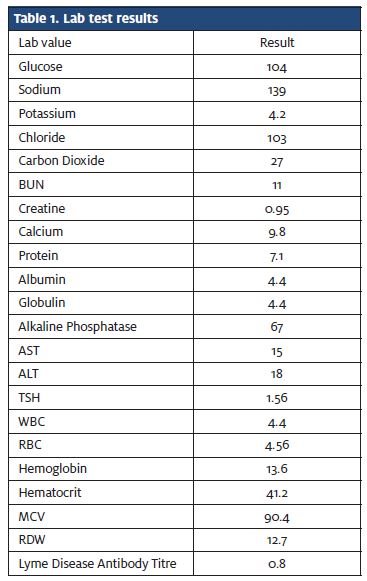
The initial blood work usually checks for general inflammation and organ function. This provides a baseline, showing if your body is experiencing any unusual activity. It helps narrow down possibilities and guide further investigation into sarcoidosis lab findings.
These tests are trending because more people are seeking answers about chronic inflammatory conditions. Knowing what to expect empowers you to have better conversations with your healthcare team. It's about demystifying what can feel like a complex medical journey.
Many people want to know first, 'What exactly are they looking for in my blood?' The answer is a pattern of indicators that, when combined with symptoms and imaging, point towards a sarcoidosis diagnosis. This approach is key to understanding sarcoidosis lab findings.
How Do Elevated ACE Levels Relate to Sarcoidosis Lab Findings?
Elevated Angiotensin-Converting Enzyme (ACE) levels are a classic hallmark among sarcoidosis lab findings. ACE is an enzyme often produced by the granulomas themselves, the tiny inflammatory clumps characteristic of sarcoidosis. While high ACE levels don't exclusively mean sarcoidosis, they are a strong indicator that physicians look for, especially when combined with other symptoms and test results, helping to confirm the diagnosis.
Monitoring ACE levels can help doctors track the disease activity. A spike might suggest the condition is more active, while a drop could indicate it's under control. This makes ACE a valuable tool in managing sarcoidosis lab findings over time.
It's important to remember that about 30% of sarcoidosis patients might have normal ACE levels. So, a normal result doesn't rule out the condition. That's why doctors consider a full picture of all sarcoidosis lab findings and clinical symptoms.
If your ACE levels are high, your doctor will likely order more tests, including imaging scans and potentially a biopsy, to get a clearer diagnosis. This holistic approach ensures accuracy in evaluating sarcoidosis lab findings. It's about connecting the dots to understand your unique situation.
| Lab Test | Typical Sarcoidosis Finding | Why it's monitored | What it means for you |
|---|---|---|---|
| ACE Level | Often elevated | Disease activity indicator | Helps track inflammation and treatment response |
| Calcium (Serum) | May be elevated | Risk of kidney stones, bone issues | Requires careful monitoring of diet and hydration |
| ESR/CRP | Usually elevated | General inflammation marker | Indicates body is actively fighting something |
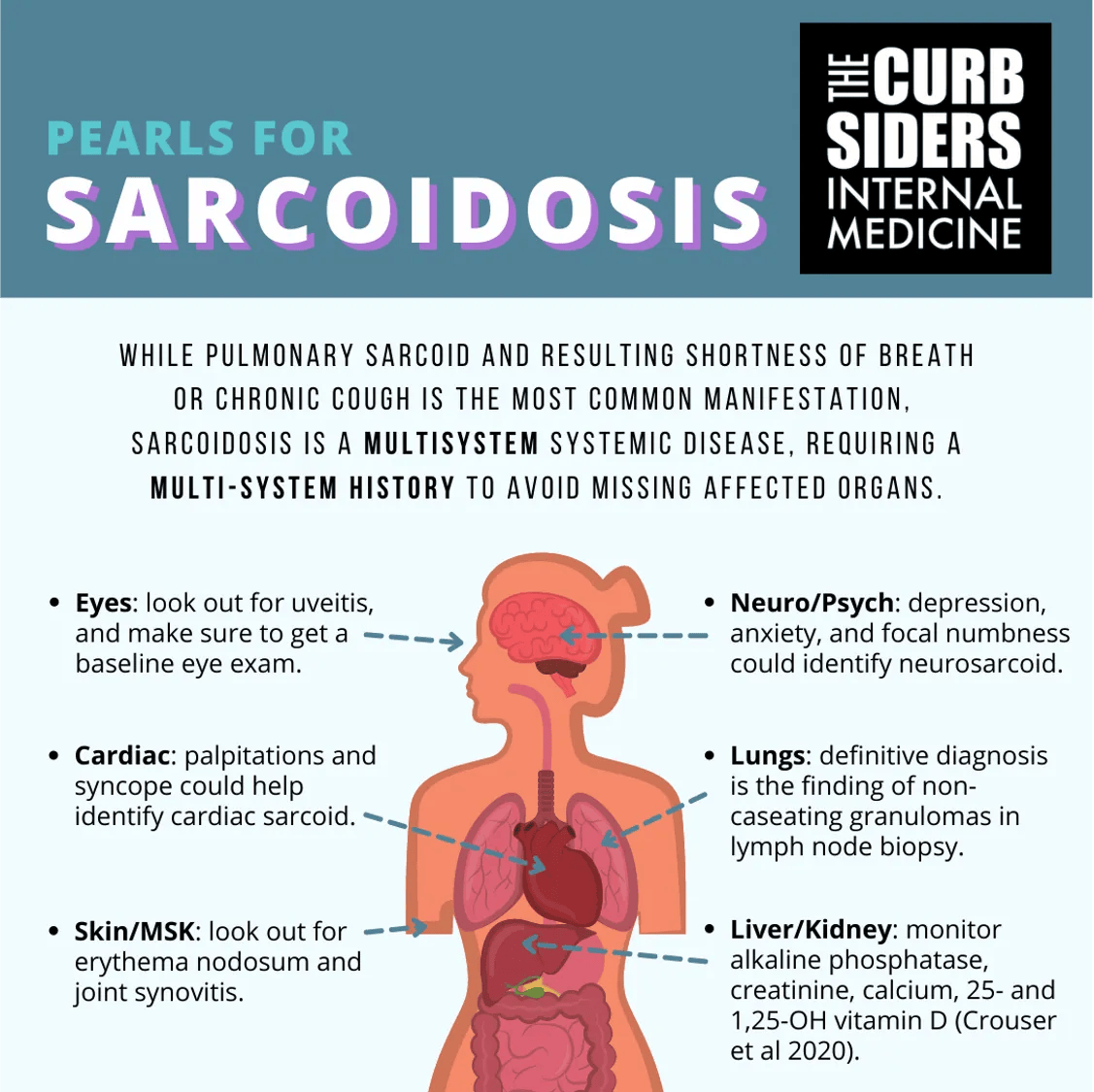
| Liver Enzymes | Can be high (ALT, AST, ALP) | Liver involvement | Suggests granulomas in the liver |
| Kidney Function | Creatinine, BUN may be off | Kidney involvement, calcium effects | Essential for organ health, especially with high calcium |
What Role Do Calcium Levels Play in Sarcoidosis Lab Findings?
It might sound strange, but high calcium levels in your blood, known as hypercalcemia, are another common finding in sarcoidosis lab findings. This happens because the granulomas, those tiny cell clumps we talked about, can actually start producing an active form of vitamin D. This extra vitamin D causes your body to absorb more calcium from your gut and release it from your bones.
Having too much calcium can lead to problems like kidney stones, kidney damage, and even affect your heart. That's why doctors pay close attention to calcium levels when evaluating sarcoidosis lab findings. They need to manage these levels to prevent serious complications down the road.
If your calcium levels are consistently high, your doctor might suggest dietary changes, increased fluid intake, or even medications to help bring them back into a healthy range. It's a key part of managing the overall impact of sarcoidosis on your body. Watching these sarcoidosis lab findings is critical for your long-term health.
How Do Doctors Interpret Inflammation Markers in Sarcoidosis Lab Findings?
When you're dealing with sarcoidosis, your body is essentially in an inflammatory state. That's why doctors look closely at general inflammation markers in your sarcoidosis lab findings, such as Erythrocyte Sedimentation Rate (ESR) and C-Reactive Protein (CRP). These tests don't tell you exactly what's causing the inflammation, but they confirm that your immune system is actively working overtime.
Elevated ESR and CRP can be signs that your sarcoidosis is active or flaring up. While not specific to sarcoidosis alone, these markers provide a helpful snapshot of your overall inflammatory burden. They act as general alarms, signaling that something is going on within your body's systems.
Tracking these inflammation markers over time helps doctors understand how your body is responding to treatment. If these numbers start to trend downwards, it's often a good sign that therapies are working effectively. It's all about observing the body's response through sarcoidosis lab findings.
For young US readers, understanding these general markers is important because many chronic conditions involve inflammation. Recognizing these sarcoidosis lab findings helps make sense of the bigger picture of your health. It’s about being an informed participant in your own care.
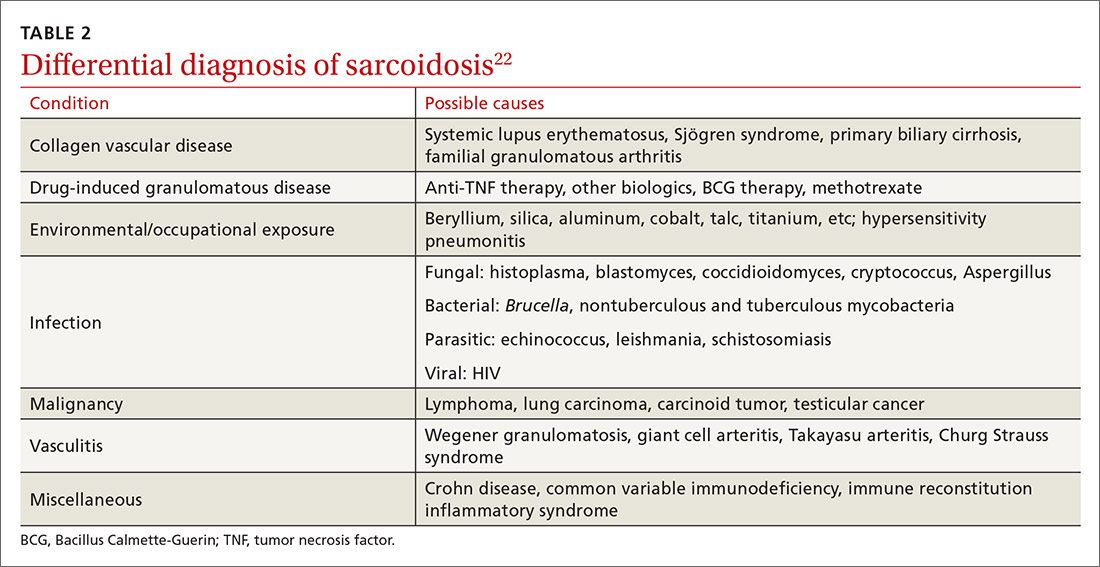
| Type of Test | What it assesses | Common Abnormal Finding |
|---|---|---|
| Complete Blood Count (CBC) | Blood cell types, anemia | Anemia, low white blood cells |
| Liver Function Tests (LFTs) | Health of the liver | Elevated AST, ALT, ALP |
| Kidney Function Tests | How well kidneys are working | Elevated creatinine, BUN |
| Urine Analysis | Kidney health, calcium excretion | Proteinuria, hypercalciuria |
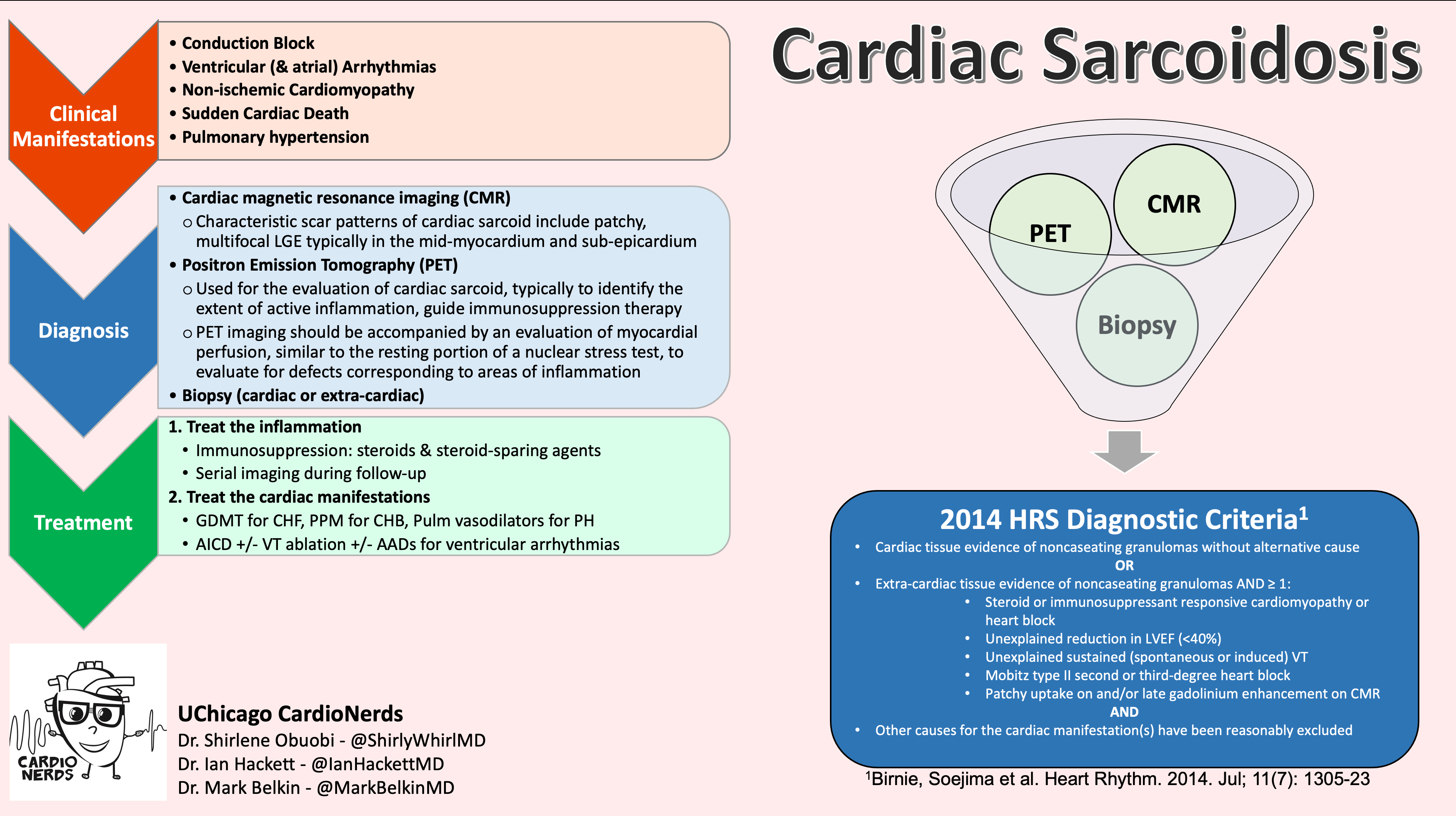
| Biopsy | Direct tissue examination | Non-caseating granulomas (definitive) |
| Pulmonary Function Tests | Lung capacity and function | Reduced lung volume, airflow issues |
What Actions Should You Take After Getting Sarcoidosis Lab Findings?
Receiving sarcoidosis lab findings can be a lot to take in, but remember, these are just pieces of the puzzle. The first and most crucial step is to sit down with your doctor. They are the experts who can interpret all your results in context with your symptoms, medical history, and physical exam. Don't try to self-diagnose based purely on lab numbers, as that can lead to unnecessary worry or misunderstanding.
Next, don't be shy about asking questions. Write down everything you want to know before your appointment. Ask about what each test result means for you specifically, what the next steps are, and if there are any lifestyle changes or treatments you should consider. Your active participation in understanding sarcoidosis lab findings is vital.
Finally, remember that sarcoidosis is a manageable condition, and consistent follow-up is key. Even if your initial sarcoidosis lab findings are concerning, early diagnosis and a tailored treatment plan can make a significant difference in your long-term health and quality of life. Stay engaged, stay informed, and work closely with your healthcare team to navigate this journey.
Conclusion Navigating Your Sarcoidosis Lab Findings
Understanding sarcoidosis lab findings is a crucial step in managing this often unpredictable condition. From ACE levels to calcium and inflammation markers, these tests provide vital clues that help doctors diagnose and monitor the disease. It's clear why this topic is gaining traction: people want answers and a roadmap for their health.
The takeaway here is simple: don't let medical jargon intimidate you. These lab findings are tools, and knowing what they mean empowers you to be an active partner in your healthcare. Early insight into sarcoidosis lab findings can guide treatment decisions and help prevent complications.
So, if you or someone you know is exploring sarcoidosis, use this guide to spark informed conversations with medical professionals. Staying engaged and asking the right questions about sarcoidosis lab findings will serve you well. Take action by seeking clear explanations and advocating for your health journey, because knowledge truly is power.